The style notebook
Chanel Spring/Summer 2026 Couture Sheer Cardigan and Mushroom Embroidery: Outfit Ideas
Chanel Spring/Summer 2026 couture sheer cardigan with mushroom embroidery: how to choose the opaque layer beneath it and keep the motif visible.
For a Chanel Spring/Summer 2026 couture sheer cardigan with mushroom embroidery, the opaque layer underneath should be plain and close in colour to the base cloth. Harper's Bazaar's 30 January 2026 couture report, by Kristen Bateman, states that Chanel showed sheer cardigans with mushroom embroidery in the Spring/Summer 2026 couture collection. The same paragraph reports Matthieu Blazy's interest in designing couture for work, the cinema, the theatre and other settings. That is the reported design; the wardrobe reasoning below is my own reading.
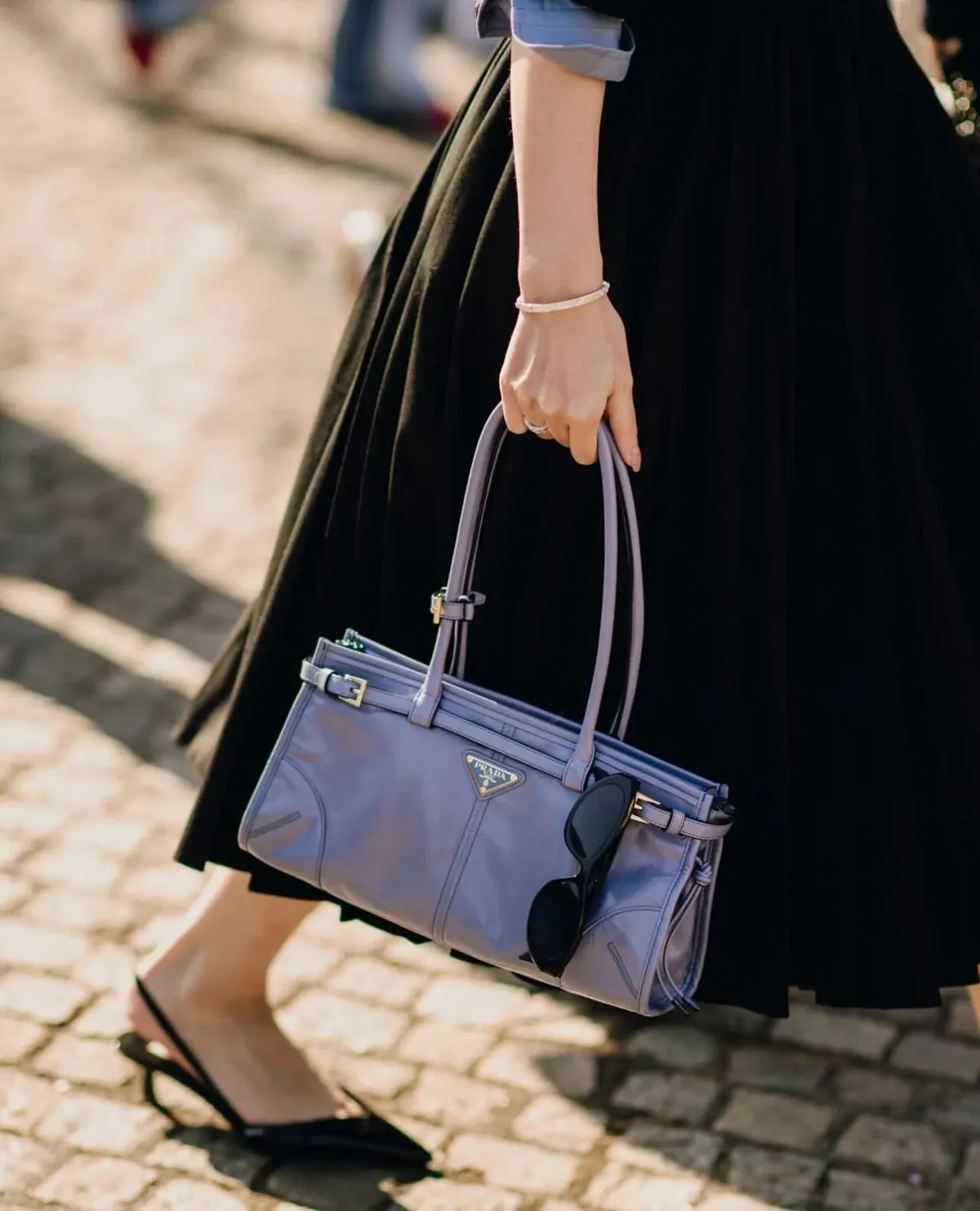
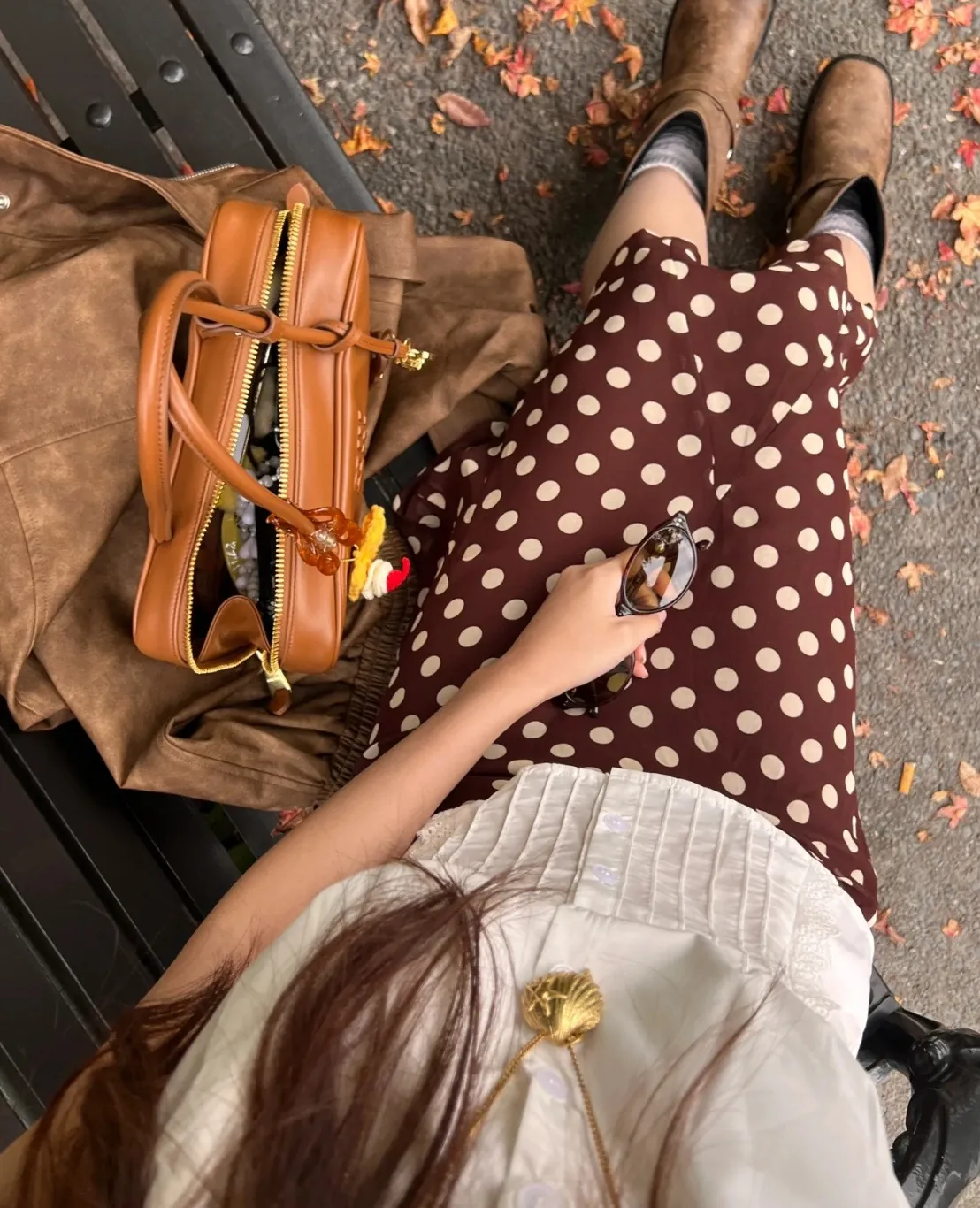
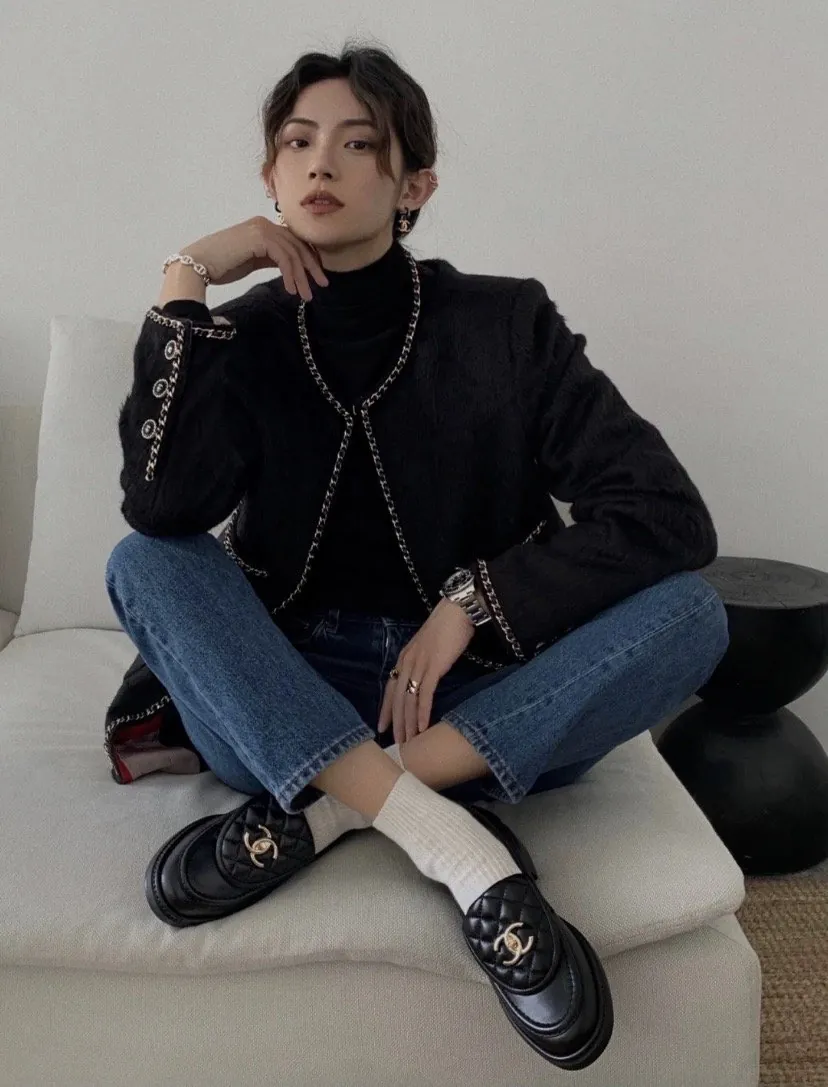
The featured image is an existing Chanel wardrobe reference, separate from the Spring/Summer 2026 looks discussed here.
The embroidery is a small, repeated motif viewed through a transparent ground, so the layer beneath has to give it a stable, quiet field rather than compete with it.
Why a plain opaque layer is the default
A smooth, solid base in a tone drawn from the cardigan's own colour — a soft mushroom, stone, cream or muted grey — keeps the transparency legible without a second pattern. The embroidery sits directly over that calm surface, and the eye goes to the motif rather than to a print underneath.
I would match the base to the cardigan's own base colour rather than to the embroidery thread. Where the cardigan's ground is pale, a base in a slightly deeper version of the same family gives the sheer layer a clear edge against the skin and keeps the motif from disappearing into a wash of similar values.
When a lightly textured layer does more
A fine rib, a matte crepe or a close-knit top can work better than a flat jersey when the outfit will be photographed or seen on a stage-like occasion. A fine rib gives the sheer layer a subtle vertical rhythm that reads as texture rather than as pattern. It is still plain: no print, no large weave, no shine. The distinction is that rib and crepe catch light in small, even increments, while flat jersey can look quietly dull under sheer cloth.
I would avoid an open, lacy or heavily marled texture underneath. It adds a second mesh-like surface at the same scale as the transparency, and the mushroom motif loses its own outline. Over-embellished bases, sequins and large prints are the categories I would keep for a different garment.
Choose the neckline before the neckline accessories
Because the embroidery sits on the cardigan, the neckline of the base decides how much of the motif is framed around the face. A high, clean crew or a fine-gauge turtleneck in the same family as the cardigan keeps the motif running close to the collarbone and the upper chest. A soft scoop or a shallow V leaves a clear vertical strip of base fabric for the embroidery to sit against. Both are deliberate, and both leave the mushroom motif doing its work.
What I would avoid is a deep V or a strapless base under an open sheer cardigan worn over it. The gap draws attention to a different line, and the embroidery loses the band of fabric it needs to be read as a repeat.
Keep the rest of the outfit still
The cardigan is the detailed piece. Below it, a straight or gently tapered trouser in a plain neutral, or a skirt in a smooth fabric, makes a quiet counterweight. A second pattern — checks, stripes, a strong print — turns the outfit into a competition. Where the weather or setting calls for a jacket over the cardigan, I would choose a plain outer layer in a tone close to the cardigan's ground.
Shoes and bag are the easiest place to keep the palette narrow. A plain leather shoe in the same family as the base layer and one simple bag repeat the two neutral tones already in the outfit. This is the context where the other plain-layer outfit thinking on the site is useful: a plain layer under a transparent piece follows the same logic, choosing the base so the transparent garment stays the subject.
Where I would choose differently
For evening, a base in a slightly deeper neutral — a soft charcoal where the cardigan is pale, or a bone where the cardigan is deeper — gives the sheer cardigan more contrast and a clearer frame. The embroidery still needs a plain field, so the change is in value, not in pattern. For a working day, I would favour the plainest base with the closest tone, and let a tailored trouser and a plain shoe carry the outfit's structure.
The cardigan is the piece to keep visible, whatever the setting. The base layer is a choice of field, not a second lead.