The style notebook
Chanel Cruise 2027 Barefoot Heel vs Cap-Toe Mary Janes: Shoe Outfit Ideas
Chanel Cruise 2027: choose the ribbon-secured barefoot heel for swim-and-shore looks or the cap-toe Mary Jane for town, decided by hem and exposed toe.

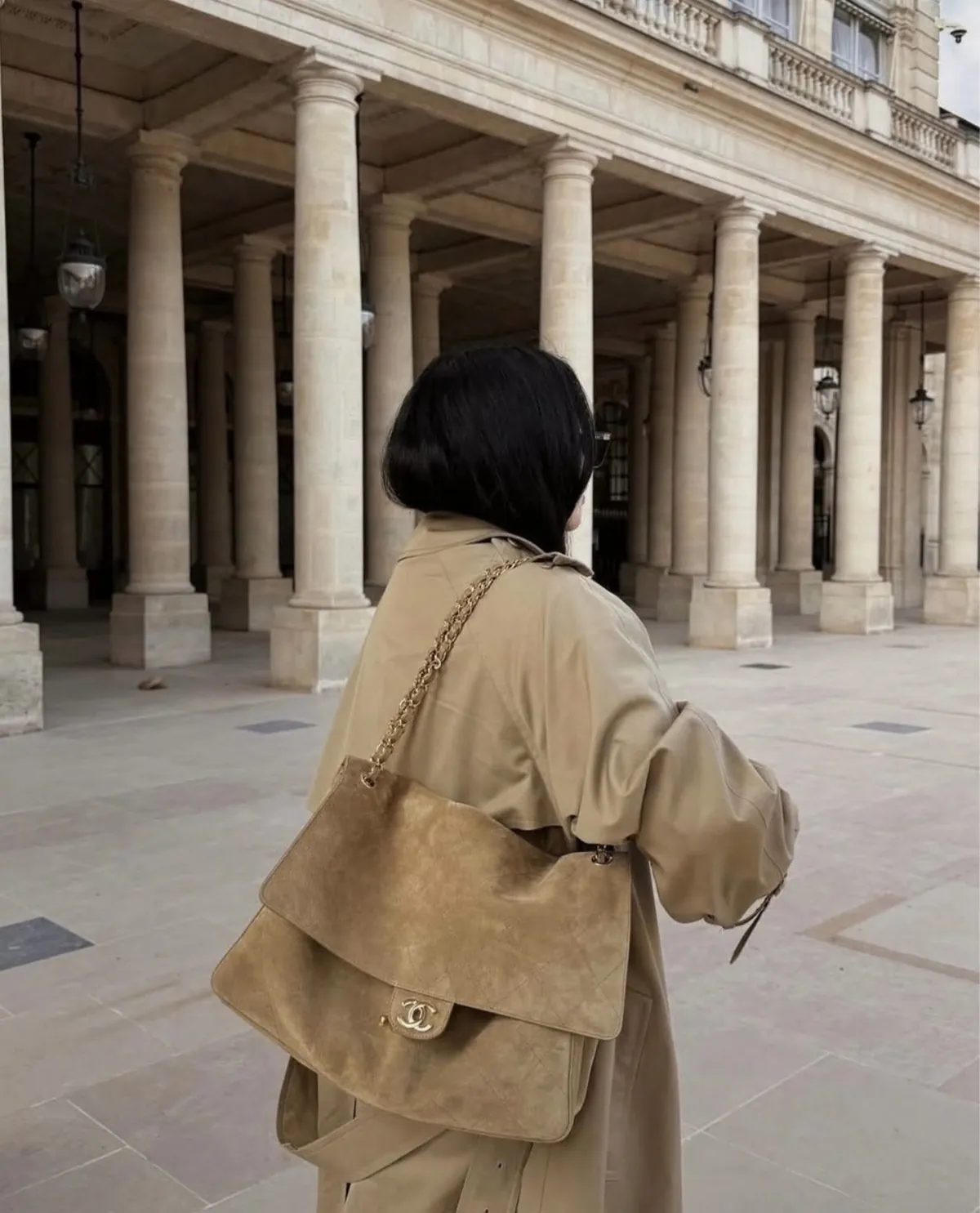
For a resort day, Chanel Cruise 2027 splits the decision between the intentionally incomplete barefoot heel and the traditional cap-toe Mary Jane. The barefoot heel belongs with swim-and-shore dressing; the cap-toe carries the look once the day moves into town. The test is simple: where the hem ends and how much toe the outfit already exposes. The featured image is an existing Chanel wardrobe reference, separate from the Cruise 2027 shoes discussed here.
The featured image is an existing Chanel wardrobe reference, separate from the Cruise 2027 looks discussed here.
ELLE's Matthew Velasco, writing on 29 April 2026, reports that Matthieu Blazy showed toe-baring shoes that were intentionally incomplete, with the cap-toe dropped in favour of what the brand called a “barefoot heel cap.” Most of the sandals had a heel element secured by dainty ribbons and were nearly concealed under fringe maxi skirts, patterned resortwear dresses and fish-scale looks. For less adventurous wearers, there were traditional cap-toes, including black-and-white Mary Janes, bright candy-coloured styles and textured finishes such as fishnet. Those are the reported design details; the styling reasoning below is my interpretation.
Hem length decides before the shoe does
The barefoot heel's ribbon-secured heel sits low against the foot, and the nearly shoe-free effect depends on a hem that moves. A fringe maxi, a patterned resort dress or any skirt that falls near the ankle keeps the shoe partly hidden, which is what makes the incompleteness read as deliberate rather than accidental. If the hem stops at the knee, the bare foot and the thin ribbon have nothing to hide behind, and the look shifts from a calculated reveal to a very exposed shoe. That can work on the sand, but it is harder to carry through a lunch or a shop.
The cap-toe Mary Jane does the opposite. Its contrasting vamp gives the foot a clear edge, so it holds a shorter hem comfortably. A cut-off romper, a dress that ends above the knee or a cropped trouser all give the cap-toe enough visible foot to register. Where the barefoot heel wants fabric around it, the Mary Jane wants a clean gap between hem and shoe.
Swim and shore: the barefoot heel's own ground
Velasco places the barefoot sandals with cut-off rompers and swim caps, an outfit meant for the shores of the Basque coast rather than a city street. That is the clearest guide to use. Build a shore outfit from the romper or from a beach layer, and let the ribbon-secured heel be the one finished detail. The exposed toe is the point of the outfit, not an oversight, so avoid adding a second bare or barely-there element. A wide hat, a towel-weight fabric or a loose shirt keeps the rest covered enough that the foot reads as the deliberate exception.
If you want a dress rather than a romper, choose one that falls long over the ankle, matching the fringe maxi and patterned resort dress contexts the show put the sandals in. The long hem protects the shoe from looking underdressed on the walk to the beach; the ribbon then appears at the hem line as the surprise.
Town: the cap-toe Mary Jane does the steadier work
The traditional cap-toe is the better choice for any part of the day that involves pavements, cafés, markets or a change of plan. Velasco describes the black-and-white Mary Janes as the accessible route for the less adventurous, alongside candy hues and fishnet finishes. That framing is useful: the cap-toe is the collection's familiar shoe, and familiar is what a town outfit needs. The contrasting vamp gives the eye a clear boundary at the toe, so the shoe reads even under a longer skirt or a light trouser.
My preference is the black-and-white Mary Jane for a town look that already has pattern — a printed foulard dress, for instance — because the two-tone shoe echoes the graphic quality without adding a new colour. Reach for the candy-coloured cap-toe when the clothing is plain and you want the shoe to be the single bright note. The fishnet texture is the more specific choice; treat it as a texture rather than a neutral and keep the rest of the outfit smooth.
Where the two swap
The barefoot heel can move into town if the hem is long and the rest of the outfit is covered: a maxi skirt with a shirt, or a long dress with a light jacket. The shoe stays a quiet surprise at the hem. The cap-toe can move to the shore if the look is a romper or a short beach dress and you want something firmer underfoot for the walk. Neither swap is a rule; they are ways to keep the same shoe in the day as it changes.
The deciding question
Ask where the hem ends. A long hem and a shore setting point to the barefoot heel. A shorter hem and a town setting point to the cap-toe Mary Jane. If the day includes both, the cap-toe is the safer single pair because it does not depend on a long hem to look finished. The barefoot heel rewards a wardrobe built around long, moving fabrics. For more on the barefoot heel with long skirts and dresses, see Chanel Cruise 2027 Barefoot Heels: Maxi Skirt and Dress Outfit Ideas.
CHANEL Cruise 2026/27 Show — CHANEL Shows — CHANEL official video.
The CHANEL Cruise 2026/27 Collection — CHANEL official video.