The style notebook
Chanel Fall Winter 2026 Haute Couture Jackets: Scarf and Cape Layering Outfit Ideas
Chanel Fall Winter 2026 Haute Couture jacket styling: keep the feather-braided neckline bare and layer soft scarves or capes below the waist.
The Chanel Fall Winter 2026 Haute Couture tailoring pieces give a clear answer to a practical question: when the jacket already carries a feather braid tracing its outline and jewelled sunflower buttons down the front, the neckline should stay bare or nearly so. The braid is the frame; a scarf wrapped at the throat competes with it, blurs the shoulder line, and pulls attention away from the buttons. The better move is to treat the collar zone as finished business and place any soft layer lower — at the waist, over the hips, or dropped behind the shoulders like a cape rather than knotted at the neck.
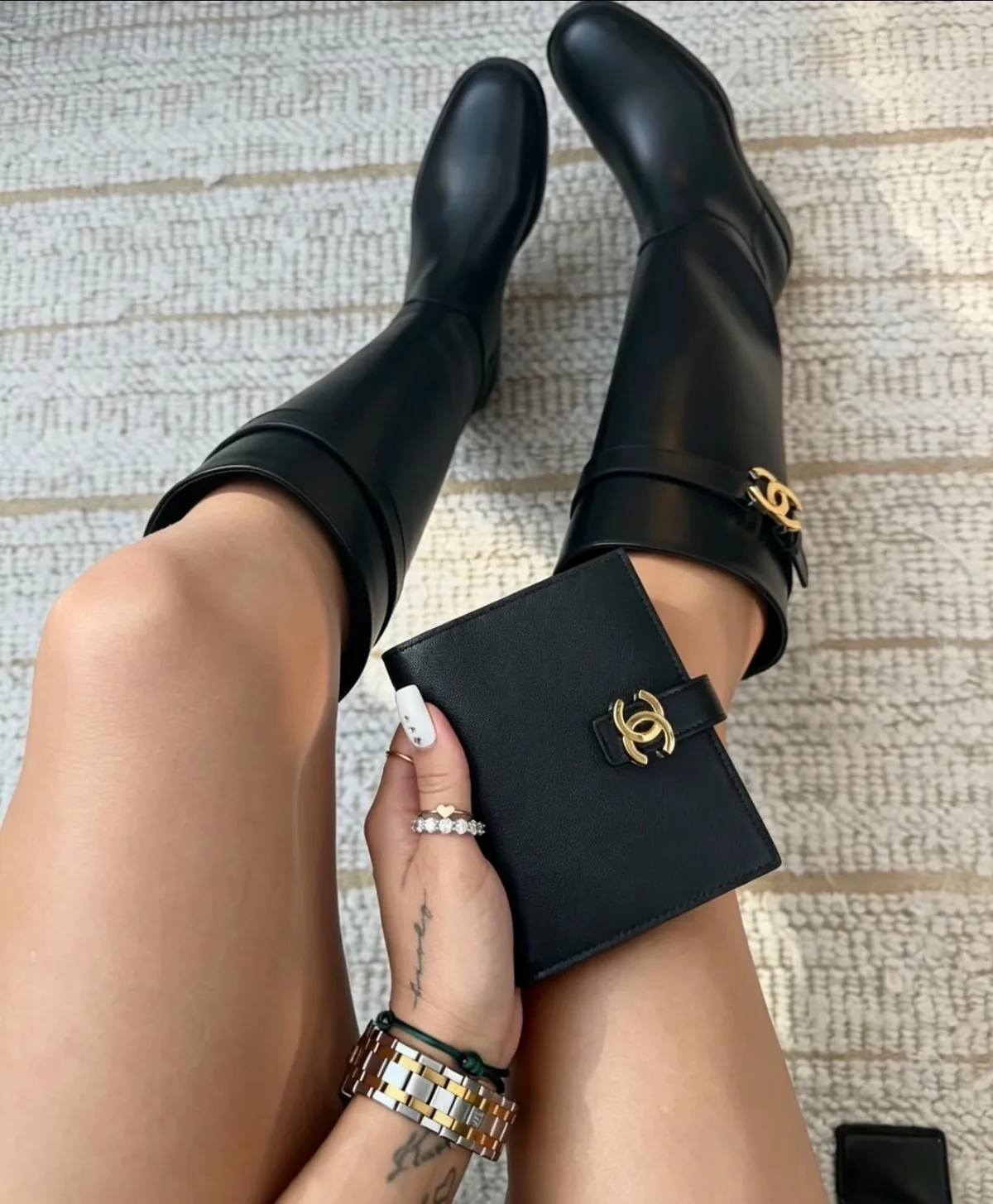
The existing reference image above shows a feather-trim jacket styled as a wardrobe reference; it is not a look from the new collection, but it helps visualise how a trimmed outline behaves when layers crowd it.
Start with the jacket as the finished object
The atelier notes describe a delicate braid of yellow feathers tracing the outline of the jacket, and five unique jewelled buttons that follow a sunflower's life from seed to bloom. That is a lot of detail already happening at the top half. My styling interpretation: the jacket should be worn as if it needs nothing at the neck. Choose a base layer with a clean, low or open neckline — a fine-gauge crew that sits below the collarbone, a smooth silk shell, or a plain shirt left open at the top two buttons so the braid runs uninterrupted from shoulder to hem.
Skip turtlenecks, chunky cowls, statement collars and anything with its own trim. If warmth matters, use a thin thermal layer that disappears under the jacket rather than one that shows above it.
Why a scarf at the throat is the wrong instinct
A soft scarf feels like the natural partner for a couture jacket, but placement decides everything. Wound at the neck, it covers exactly the section where the feather braid does its most visible work along the shoulder and lapel line. The eye then reads fabric folds instead of feather texture, and the five buttons lose their vertical rhythm.
If you want scarf texture, move it down: a long, fluid scarf looped once at the waist and left to hang beside the hip, or a narrow silk ribbon tied at the belt line. For a more dramatic version of the same idea, drape a wide scarf or a light cape over the shoulders and let it fall behind the arms so the front of the jacket — braid and buttons both — stays fully exposed. Our guide to long tassel scarves is useful for judging how much length a below-waist drape needs before it starts to look heavy.
Cape and scarf formulas that keep the braid visible
- The open cape: a sleeveless wool cape worn over the jacket but unfastened, so the front edges fall to either side of the buttons. Keep the cape plain and matte; no fringe or embroidery near the shoulder.
- The hip-tied scarf: a long rectangular scarf in camel, oat or a muted blue, tied loosely over the waistband of trousers or a skirt. It adds colour without touching the collar.
- The behind-the-shoulder drape: a wide, soft scarf folded into a triangle and laid across the back of the shoulders only, secured with a slim belt at the waist. The front stays clear.
- The no-scarf option: bare neck, bare collar, and a single pair of earrings kept small enough not to echo the jewelled buttons.
In each case the rule is the same: soft volume lives at or below the waist, structure stays at the top.
Beneath the jacket: plain trousers or a pleated skirt
The lower half should quiet down. Plain, straight or wide-leg trousers in a flat wool or crepe give the braid a calm field to sit against. If you prefer a skirt, a pleated style in a light, matte fabric works well — the atelier notes mention hand-pleated woollen cheesecloth, which suggests the kind of soft, narrow pleat that moves rather than flares. Our notes on pleated cheesecloth skirts break down pleat depth and hem length in more detail.
Keep prints, contrast trims and extra hardware off both options. A single colour family — camel, oat, cream, soft grey, or a deep denim blue — lets the yellow feather braid read as the deliberate accent it is.
Colour decisions that support the yellow braid
Yellow feathers are a strong note. Rather than matching them, build the outfit around neutrals that let them glow. Camel and oat are natural companions and appear in the collection's broader palette. A blue tweed that resembles denim offers a cooler contrast without turning the outfit into a colour exercise. Cream and soft grey are the safest bases; black is sharper and more evening-leaning, and works if the trousers are impeccably plain.
If you want one extra colour, put it in a bag or shoes well away from the neckline. A structured shoulder bag keeps the line clean; our guide to a black shoulder bag with wide-leg trousers shows how that combination stays quiet under a detailed jacket.
Accessory and footwear choices to finish the look
Because the jacket front is busy, jewellery should be minimal or absent at the neck. Small studs or a fine chain that sits inside the neckline are enough. Shoes can carry a little weight — a slipper, a low boot, or a simple pump in a tone that repeats the trousers. Avoid scarves at the ankle or wrist if the feather braid is already the textural story.
For a full skirt-and-jacket route, pair the pleated skirt with a plain knit and let the jacket close the look. For a trouser route, keep the hem long enough to graze the shoe and the waist clean, so a hip-tied scarf has somewhere to sit without bulk.
Quick decision checklist
- Neckline: bare, open, or a low smooth crew. No turtleneck, no cowl.
- Scarf: below the waist only, or draped behind the shoulders.
- Cape: unfastened at the front, plain at the shoulder.
- Bottoms: plain trousers or a fine pleated skirt in a neutral tone.
- Jewellery: minimal; nothing that competes with the five jewelled buttons.
- Colour: camel, oat, cream, grey or denim blue as the base; yellow left to the braid.
Follow that order and the jacket stays the subject, with any soft layer doing quiet supporting work below the waist.