The style notebook
Chanel Spring 2027 Ballerina Tulle Dresses: Edwardian Corsetry and Shoe Outfit Ideas
Chanel Spring 2027 ballerina tulle dresses with Edwardian corsetry: decide between cap-toe heels and quieter shoes, plus jewellery and layering formulas.
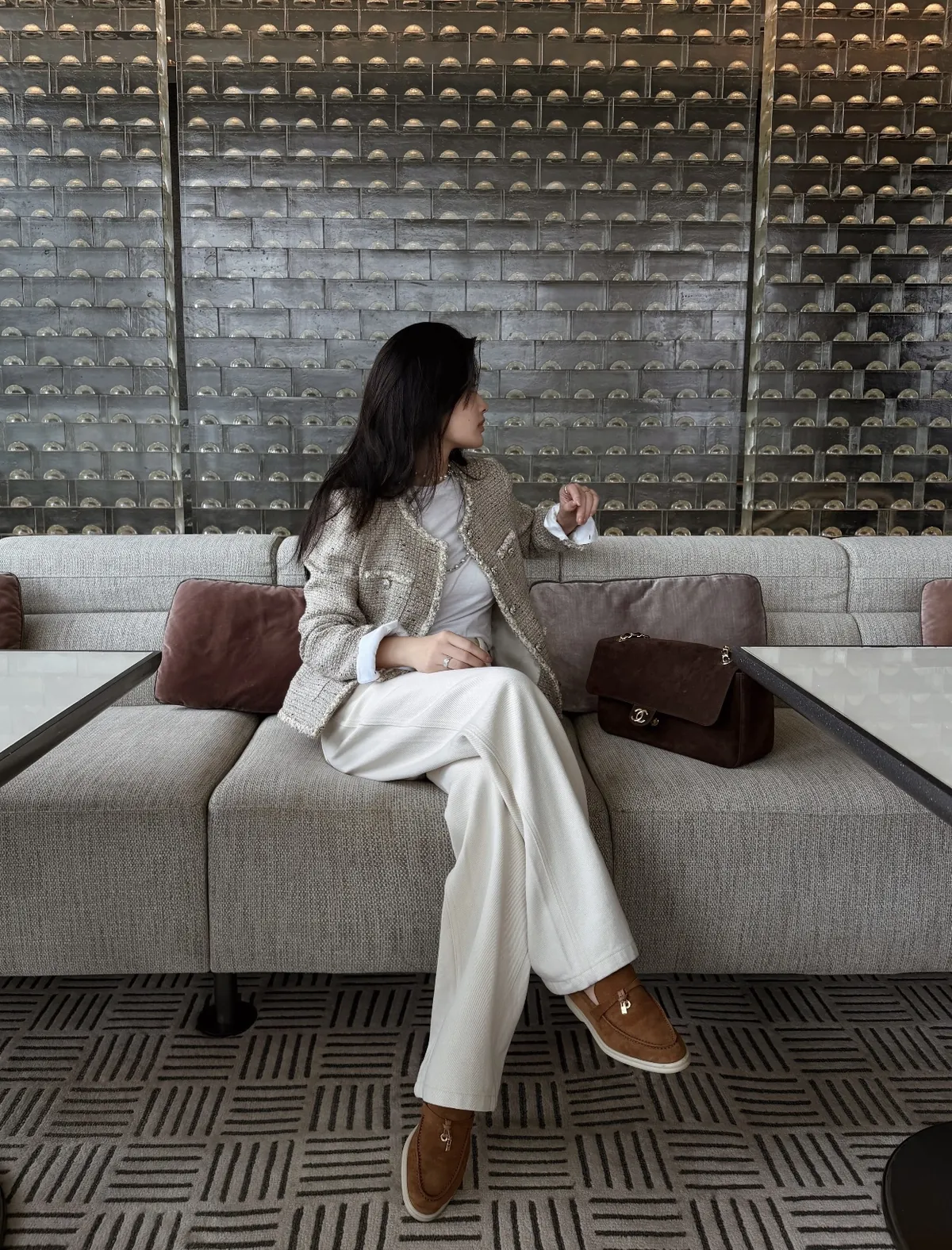
The Chanel Spring 2027 ballerina tulle dresses, shown with Edwardian corsetry that nodded to the Ballets Russes, raise a very practical question: does a cap-toe heel complete the ballet reference, or does a plainer shoe keep the dress from reading costumed? This guide answers that question directly for anyone dressing around the idea. The collection itself is Chanel Spring 2027, where cap-toe heels appeared in seemingly endless variations.
To keep the reference grounded, I treat the runway as a starting point rather than a costume brief. The reports describe ballerina tulle dresses with Edwardian corsetry recalling the Ballets Russes, and many variations of the cap-toe heel. The decisions below are styling interpretation: how to translate that evidence into wearable formulas.
What the reference actually gives you
The ballet cue lives in two places: soft tulle around the body and a structured, corseted midriff. That tension is the interesting part, and it is what separates these looks from a simple party dress. The Ballets Russes recall is broad and atmospheric, not a set of literal costume instructions.
The shoe evidence is equally open. Cap-toe heels recurred in many variations, which means the point is not one specific pair but the two-tone, capped-toe idea itself. That gives you room to choose between a sharper ballet echo and a quieter finish.
Cap-toe heels: when they complete the reference
A cap-toe heel works best when the toe cap is the only strong graphic note near the hem. Let the tulle stay pale and the corsetry stay tonal, and the two-tone toe does the storytelling. A low or mid heel keeps the effect closer to a dancer's shoe; a higher, slimmer heel pushes it toward evening.
- Pale dress, dark cap: the classic contrast, and the clearest ballet signal.
- Tonal cap: subtler, useful when you want the corsetry, not the shoe, to lead.
- Cap-toe with a fine ankle strap: echoes the ribboned ballet shoe without adding bulk.
For a related study in choosing between a defined shoe and a plainer one, see this hem-and-shoe guide.
Quieter shoes: when the dress should lead alone
If the tulle is layered, the corsetry is detailed, or you are wearing the dress by day, a plain finish often reads more modern. A simple pointed pump in the dress's own tone, a flat ballet-style shoe, or a minimal slingback lets the bodice structure carry the reference. The rule of thumb: the more visible the corsetry, the less the shoe needs to say.
- Day: flat or low shoe in a matching neutral, so the tulle does not look bridal.
- Evening: a plain satin or leather pump, letting the corset line be the focal point.
- Between: a slim slingback, which keeps the ankle open and the mood light.
If you want a wider comparison of flat versus heeled finishes, the ballet-flat outfit notes offer useful grounding.
Jewellery: keep the corseted waist clear
The waist is the architectural centre of these dresses, so jewellery should not compete there. Skip belts, chain belts and anything that sits across the corset line. Instead, move attention upward or outward: small earrings, a fine necklace kept high, or a single bracelet.
If you want a bag, choose a small shoulder or top-handle shape carried away from the waist rather than a cross-body strap that cuts the corsetry. A compact shoulder bag is the safer partner. For general proportion thinking on bags and tailoring, the black shoulder bag guide is a handy reference.
Three outfit formulas to try
- Ballet-clear: pale tulle dress, tonal corsetry, dark cap-toe heel, small earrings, no belt.
- Modern-quiet: the same dress with a plain pointed pump in the dress tone and a compact shoulder bag.
- Daylight soft: tulle dress, flat ballet-style shoe, fine high necklace, relaxed hair, no waist accessory.
Each version keeps the corsetry visible and moves the styling decision to one clear point: the shoe or the neckline, never both.
How to decide between the two
Ask where you want the reference to stop. If the event is playful and the dress is simple, the cap-toe heel finishes the ballet story neatly. If the dress is already elaborate, or the setting is daytime and informal, the plainer shoe keeps the look from tipping into costume. A useful check is to remove the shoe mentally: if the outfit still needs a focal point, add the cap-toe; if the corsetry already holds the eye, keep the shoe quiet.
The existing same-brand wardrobe reference, titled “Chanel Spring 2027 Charvet Shirt Under Rounded-Shoulder Jackets: Outfit Ideas — existing wardrobe reference,” is a separate image and should be treated as its own wardrobe reference.
The short answer
Both finishes can work, but they do different jobs. The cap-toe heel completes the Ballets Russes reference most clearly when it is the only graphic note and the dress is relatively plain. A quieter shoe finishes the look when the Edwardian corsetry is the main event or the occasion is daytime. In every case, keep the waist free of jewellery and straps, and let one element lead.