The style notebook
Dior Cruise 2026 Tuxedo Jackets: Sheer Skirt and Straight Dress Outfit Ideas
Dior Cruise 2026 tuxedo jackets versus straight dresses: how tailoring can balance a sheer skirt at a Bal Blanc-inspired evening, with one decoration only.
For a Bal Blanc-inspired evening, the Dior Cruise 2026 tuxedo jacket over a sheer skirt reads as the more modern tribute; the minimal straight dress is the quieter, lower-maintenance route. ELLE Japan's Alexandra Hildreth, publishing on 30 May 2025, describes the Cruise 2026 runway as pairing sheer skirts, tuxedo jackets and minimal straight dresses in a white, black and beige palette, with many models in lace masks as a direct nod to the Bal Blanc dress code. Those are the reported runway pieces. The proportion and styling calls below are my reading of how to make the choice work, not a claim about fit or wear.
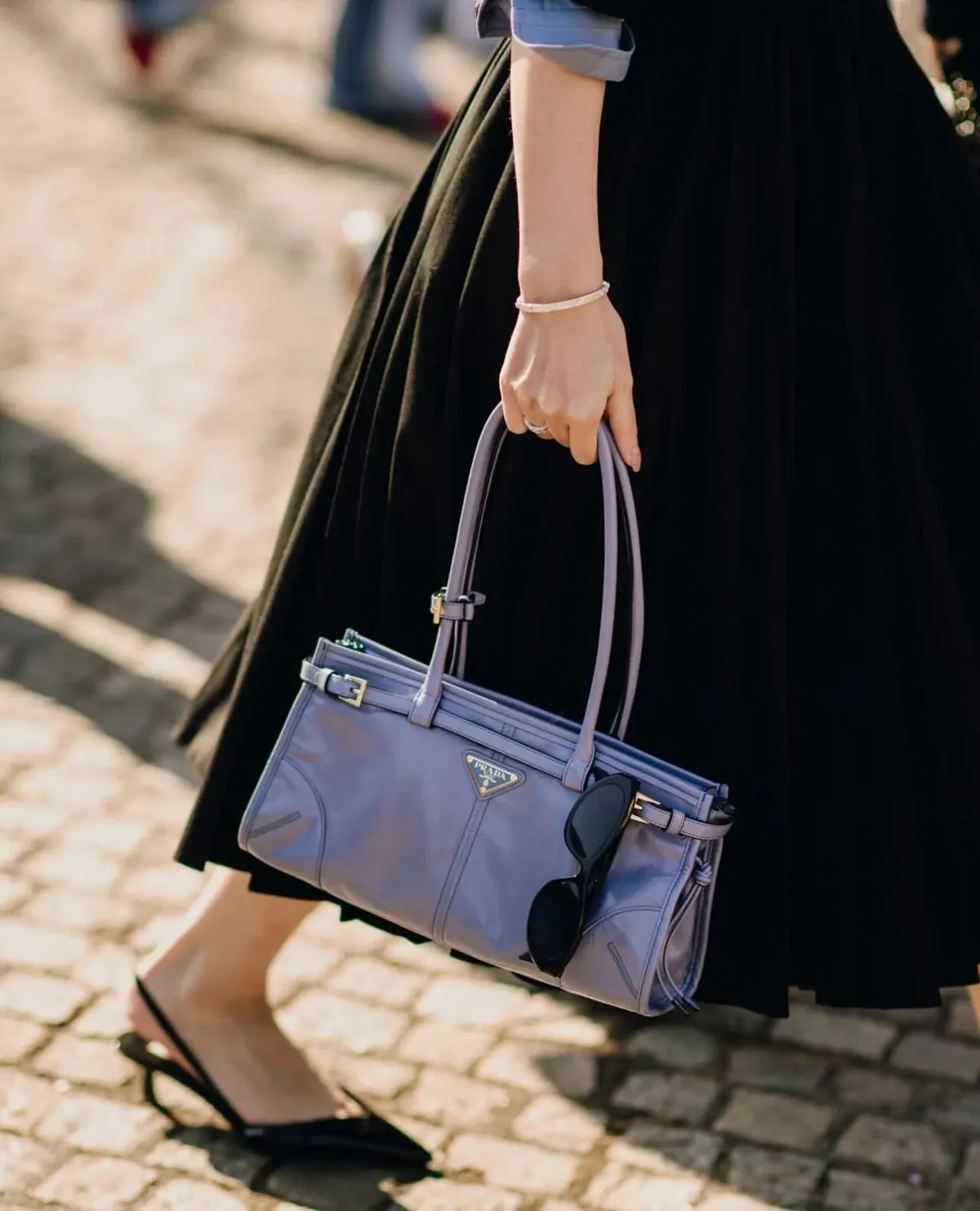
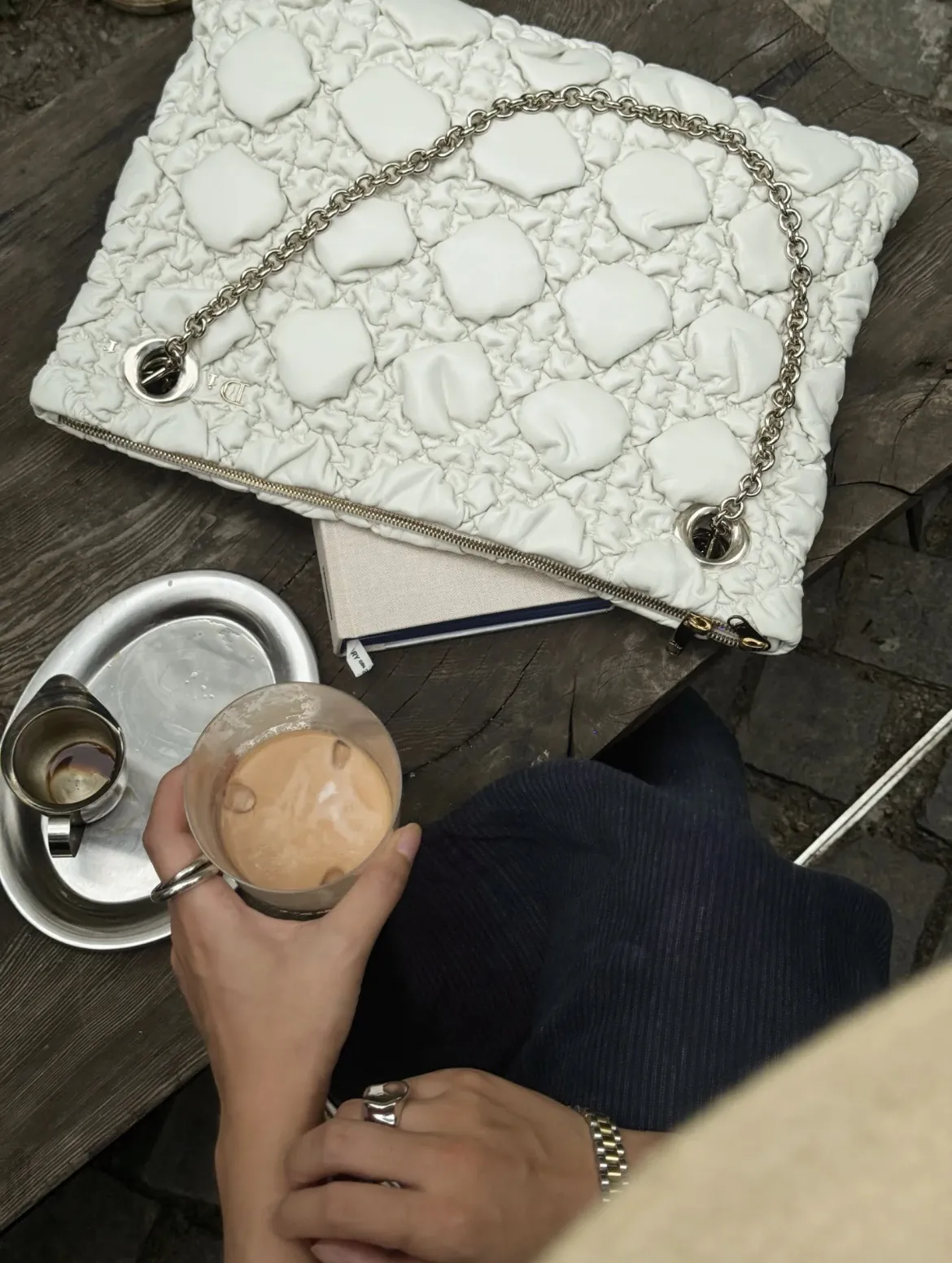
The featured image is an existing Dior wardrobe reference, separate from the Cruise 2026 looks discussed here.
The distinction is where the tailoring sits relative to the transparency. A tuxedo jacket gives a sheer skirt an opaque upper frame, so the outfit reads as composed rather than exposed. The straight dress does the opposite: it closes the body in one clean line and asks very little of anything layered over it. Pick the jacket route when you want the Bal Blanc memory to live in the contrast between sharp shoulders and diaphanous fabric; pick the dress when you want the white palette and the lace mask to carry the reference without a tailored argument.
Why the tuxedo jacket and sheer skirt need each other
A sheer skirt alone can drift toward evening lingerie; a tuxedo jacket alone can read as office tailoring after hours. Together they create the tension the brief is after. The jacket's structure supplies the formality, its lapels draw the eye upward, and the sheer skirt lets the lower half stay light. Where the jacket hem lands matters more than any other measurement. If it stops at the hip or just below, the skirt begins as a separate, visible layer, and the pale palette reads cleanly. If it falls to mid-thigh or lower, it covers the sheer section that does the work, and the outfit collapses into a dark block above a sliver of fabric.
For the Bal Blanc reference, the jacket should be the darkest note, ideally black, with the skirt in white, cream or beige. A black jacket over a black sheer skirt is a different, sharper look, but it loses the alabaster contrast that makes the white-party reference legible. A white tuxedo jacket over a white sheer skirt is the most literal translation, and also the hardest to keep from looking like a costume; it works if the jacket is impeccably plain and the skirt is the only texture.
What goes under the jacket, and what goes on the face
The sheer skirt already introduces a second layer, so the top half should stay simple. A plain silk camisole or a fine knit in white or beige keeps the neckline quiet and lets the jacket do the tailoring. Avoid a second sheer layer at the chest, which would turn the transparency into a theme rather than a contrast. If the jacket is double-breasted and closed, the inner layer barely shows; if it is worn open, the camisole's neckline should sit close to the collarbone so the lapels frame skin rather than competing fabric.
The lace mask is the one accessory worth keeping, and only if the rest of the outfit is plain. It ties directly to the Bal Blanc dress code reported from the runway, but it is also the easiest element to overdo. One lace mask, in white or black, with no second lace piece elsewhere, keeps it a mood rather than fancy dress. If a mask feels like too much for the room, a plain silk scarf at the neck can hold the same period reference more quietly. The rule is one decorative element: mask, scarf or an earring, not all three.
The straight dress as the quieter tribute
The minimal straight dress earns its place when the evening is more dinner than theatre. It needs almost nothing: the white, black or beige palette, a clean neckline, and a shoe that stays out of the way. Over it, a tuxedo jacket can still be worn, but the jacket becomes the outer frame rather than the main event, and the dress supplies the vertical line. That version suits a reader who wants the tailoring but not the transparency.
Where the straight dress wins is in repetition. It is the piece you can wear to a second white-themed evening without rebuilding the outfit around a sheer skirt's layering. Where it loses is in the specific contrast that makes the Cruise 2026 reference interesting; without a sheer element or a sharp jacket, the Bal Blanc idea reduces to a white dress. If you choose the dress, let the mask or a single piece of lace do the referencing.
The shoes and the bag
Both routes want a shoe that does not add another story. A plain pointed pump in black or white keeps the line long under a sheer skirt or a straight dress. A metallic shoe would pull the eye down and turn the palette into a scheme. For bags, a small structured shape in black or beige sits comfortably with the tuxedo jacket's formality. The black shoulder bag logic applies here: keep the bag plain and let the clothing hold the contrast. If the jacket route feels too sharp, the softer register of a skirt-led evening shows how a lighter top half can change the same palette.
A final check before committing: try the jacket over the sheer skirt in the mirror and look only at where the jacket hem meets the skirt. If the sheer section is still clearly visible below the jacket, the balance is right. If the jacket covers most of it, either shorten the jacket or choose the straight dress instead.