The style notebook
Dior Cruise 2021 Tombolo Lace Dresses: What to Layer Under and Over
Dior Cruise 2021 Tombolo lace dresses: when a plain slip helps under openwork and when a clean jacket makes the better top layer.
For a Dior Cruise 2021 Tombolo lace dress, let the coverage already in the dress decide between a plain slip and a simple jacket. If you want more between you and the air than the dress provides, the slip is the useful layer. If the dress already covers what you need and the open question is how to finish the look for a day or an evening, choose a clean, solid jacket instead. The dress stays the subject either way; the underlayer quietly adds coverage, the jacket openly changes the silhouette.
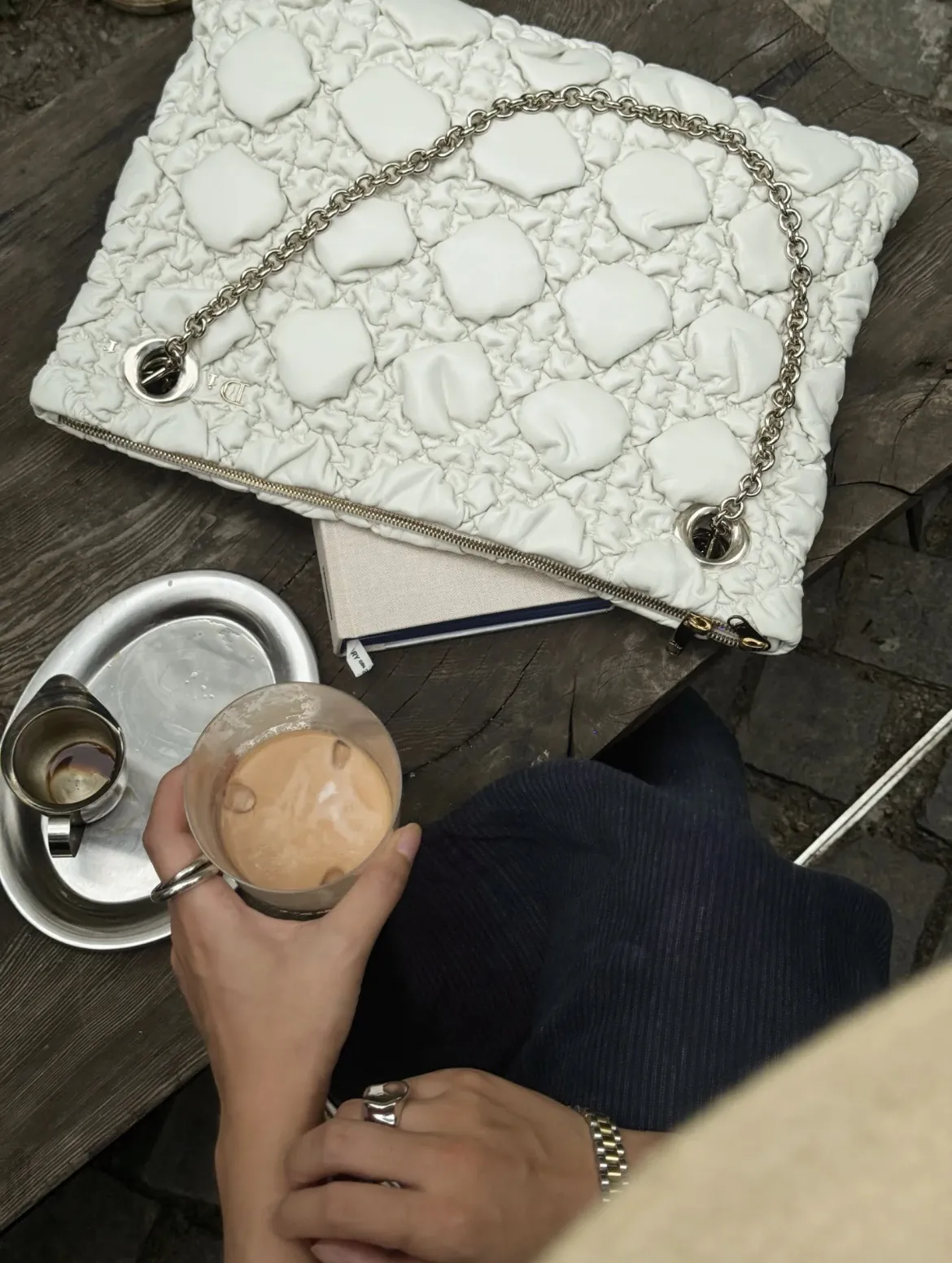
The featured image is an existing Dior wardrobe reference, separate from the Tombolo looks discussed here.
What the collection actually documents is the lace itself. ELLE's Justine Carreon, writing on 23 July 2020, reports that the Tombolo, a 15th-century style of lace popularized in Southern Italy, is featured on dresses in the Dior Cruise 2021 collection, made in collaboration with Marilena Sparasci, one of the last craftspersons to practise and teach the technique. That is the reported detail worth dressing around: an old, specific lace placed on dresses. The choice of slip or jacket below is my styling reading, not a claim about how any particular runway dress is lined, how sheer it is, or how it fits.
Start with the dress in front of you
Put the dress on in the light you will actually wear it in and look at how much shows through the openwork. The Tombolo is a lace with visible gaps, and a lace dress can range from something that reads nearly solid over an underlayer the dress already includes to something that leaves the body fairly exposed. The collection detail tells you the lace is the point; it does not tell you how much skin the dress covers. So the first decision is not aesthetic but practical: do you want to add coverage, or do you want to leave the dress as it is and change its outer line?
If the answer is more coverage, the slip is your layer. If the answer is that the dress is fine underneath and you want it to work for a different kind of occasion, the jacket is your layer. Mixing both at once is possible, but it buries the lace between two plain things, and that is usually the wrong trade for a dress whose whole reason for being is a craftsperson's technique.
When the plain slip helps
A slip is the layer for the reader who wants the lace to stay the outermost texture from neckline to hem. Because it sits beneath the dress, it does not interrupt the line of the lace anywhere. It gives the eye a calm, unbroken field behind the openwork, so the Tombolo pattern reads more clearly against it than it would against skin, a printed layer or a contrasting garment.
- Pick a slip whose colour sits close to your own skin tone rather than starkly lighter, so it adds coverage without announcing itself as a second garment.
- Choose a neckline and hem that stop inside the dress's own neckline and hem. If the slip peeks out at a sleeve edge or below the skirt, it stops being a quiet underlayer and becomes a visible second piece competing with the lace.
- Keep the slip's surface plain. Sheen, print or a second texture under an intricate lace gives the outfit two patterns to read, and the Tombolo detail loses the argument.
- A slip is also the better choice when the dress is a fitted, fluid shape you do not want to interrupt with a jacket's shoulder line or hem.
The slip is a poor fit if you want the outfit to look more finished for an evening, or if you want the silhouette to gain some structure. It adds coverage, not shape. It also does nothing for a dress you are already comfortable wearing as it is.
When the simple jacket is the better layer
Choose the jacket when the dress underneath needs no help and the styling decision is about the top layer. A solid jacket over a Tombolo lace dress does something the slip cannot: it gives the lace a hard, plain edge at the shoulders or at the waist, so the craft detail reads as a deliberate contrast rather than as the whole outfit. The jacket also lets you move the dress across day and evening without changing what is under it.
The useful jacket here is plain and clean-lined. A single-colour tailored jacket, a simple cropped shape or a minimal blazer all work because they leave the lace as the one decorated element. A jacket with its own embroidery, contrast stitching or busy hardware competes with the Tombolo and splits the attention. Match the formality rather than the colour: a crisp tailored jacket over the lace for a daytime event, a softer, shorter jacket for something more relaxed.
The jacket is the wrong layer if your actual concern is coverage under openwork. It solves the outer line and leaves the body of the dress unchanged, so if the dress feels too revealing underneath, you will still want the slip. It is also the wrong move if the dress's fitted shape is the thing you like; a jacket over it hides the waist and shoulder line that the dress was cut to show.
How to choose between them
Ask two questions of the dress: does it need something underneath, and does it need a finished edge on top? If the answer to the first is yes, take the plain slip, keep it close in tone to your skin and tucked inside every edge of the dress. If the second is your question, take the solid jacket and let it provide the only plain, structured note in the outfit. Readers who want both can layer the slip first and a jacket over it, but then the outfit has three pieces doing the work of one lace dress, and the Tombolo detail becomes background.
For a related Dior wardrobe decision built around a plain layer against a decorative one, see the Bar jacket and printed dress guide, which applies the same principle of letting one crafted element lead.