The style notebook
Dior Summer 2026 Trench Coats and Shirt Dresses: Layering Outfit Ideas
Dior Summer 2026 trench coats worn without a shirt versus shirt dresses with a backpack: two separate reported routes and how belt, hem and sleeves change.
The Dior Summer 2026 trench question is really two reported looks answering different needs: a trench thrown on without a shirt for everyday ease, and a shirt dress with a backpack for a younger, innocent register. ELLE Japan's Alexandra Hildreth, publishing on 3 July 2025, describes the boyish innocence in shirt dresses and backpacks, and the everyday way of dressing as symbolised by a trench coat worn without a shirt, like a walk over a mansion's grounds in the morning dew. Those are separate reported expressions, not one garment. My reading of how to wear each is styling interpretation.
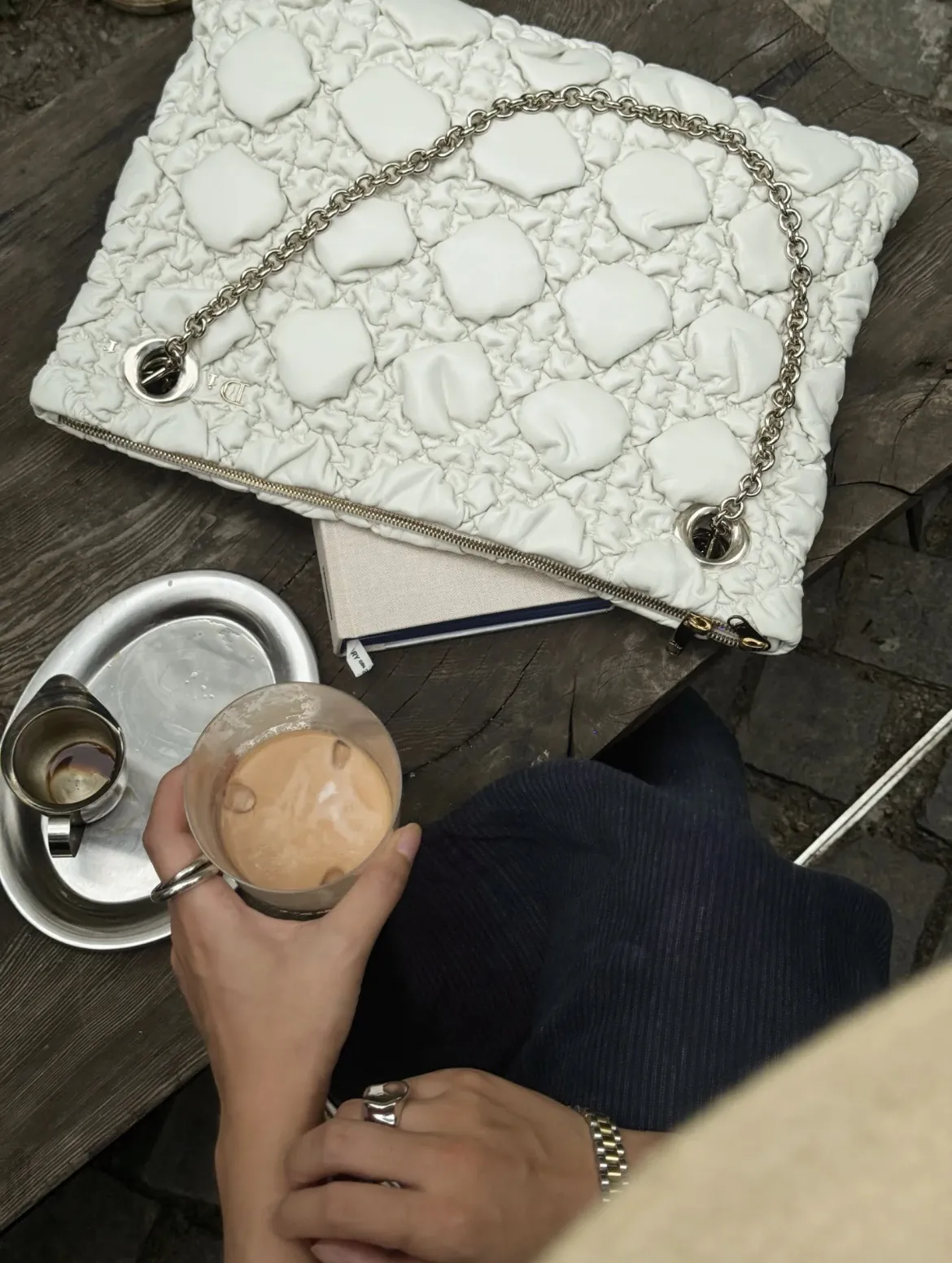
The featured image is an existing Dior wardrobe reference, separate from the Summer 2026 looks discussed here.
Two looks, two different jobs
The no-shirt trench is the looser, more grown-up of the two. The open column where a shirt would sit is the whole point, so the trench has to carry the outfit's formality and its vertical line at once. The shirt dress and backpack read younger because the dress supplies a closed, buttoned front and the backpack adds a schoolbag cue. Pick the trench route when you want one outer layer doing the work; pick the shirt dress when you want a single piece you can remove the coat from entirely.
Where the belt, hem and sleeve land
On the bare-shirt trench, the belt position sets everything above and below it. Cinched at the natural waist, the open neckline reads deliberate and the skirt of the trench swings free; worn open and unbelted, the coat becomes a long vertical shape and the bare chest matters less than the line. I would leave the sleeves full length when the coat is belted, and push or roll them only if the trench is worn loose, so the exposed skin stays in one zone rather than scattered at wrist and neck. The hem is the other control: a trench that ends near the knee keeps the bare neckline formal, while a shorter one reads more casual. None of this is measured from the runway — it is how I would place a belt and hem to make the open front look intended.
The shirt dress route changes the arithmetic. A dress gives you one continuous line from collar to hem, so the belt (if any) and the hem are the two decisions, and the backpack sits over the shoulders rather than breaking the torso. Keep the shirt-dress hem clear of the backpack's bulk so the two shapes do not collide at the hip.
Building each outfit around plain shoes and bags
For the trench, a plain flat or low sneaker keeps the morning-walk ease; a structured shoulder bag protects the open neckline. For the shirt dress, the reported backpack is the bag, so the shoes should stay simple — a loafer, a flat, or a clean sneaker — and jewellery minimal. If you want a comparison for how a single bag or outer layer can lead an outfit, the Burberry military outerwear and bridle bag guide works through which piece should lead.
Choose the bare trench if your wardrobe already has closed tops you want to skip in warm weather. Choose the shirt dress if you prefer one piece and a hands-free bag. They are not meant to be layered together.