The style notebook
Loro Piana Cashmere Storm System Ski Jackets: Ski and Winter Outfit Ideas
How to layer under a Loro Piana Storm System cashmere ski jacket: base layers, mid layers, trousers and boots for cold mountain days without bulk.
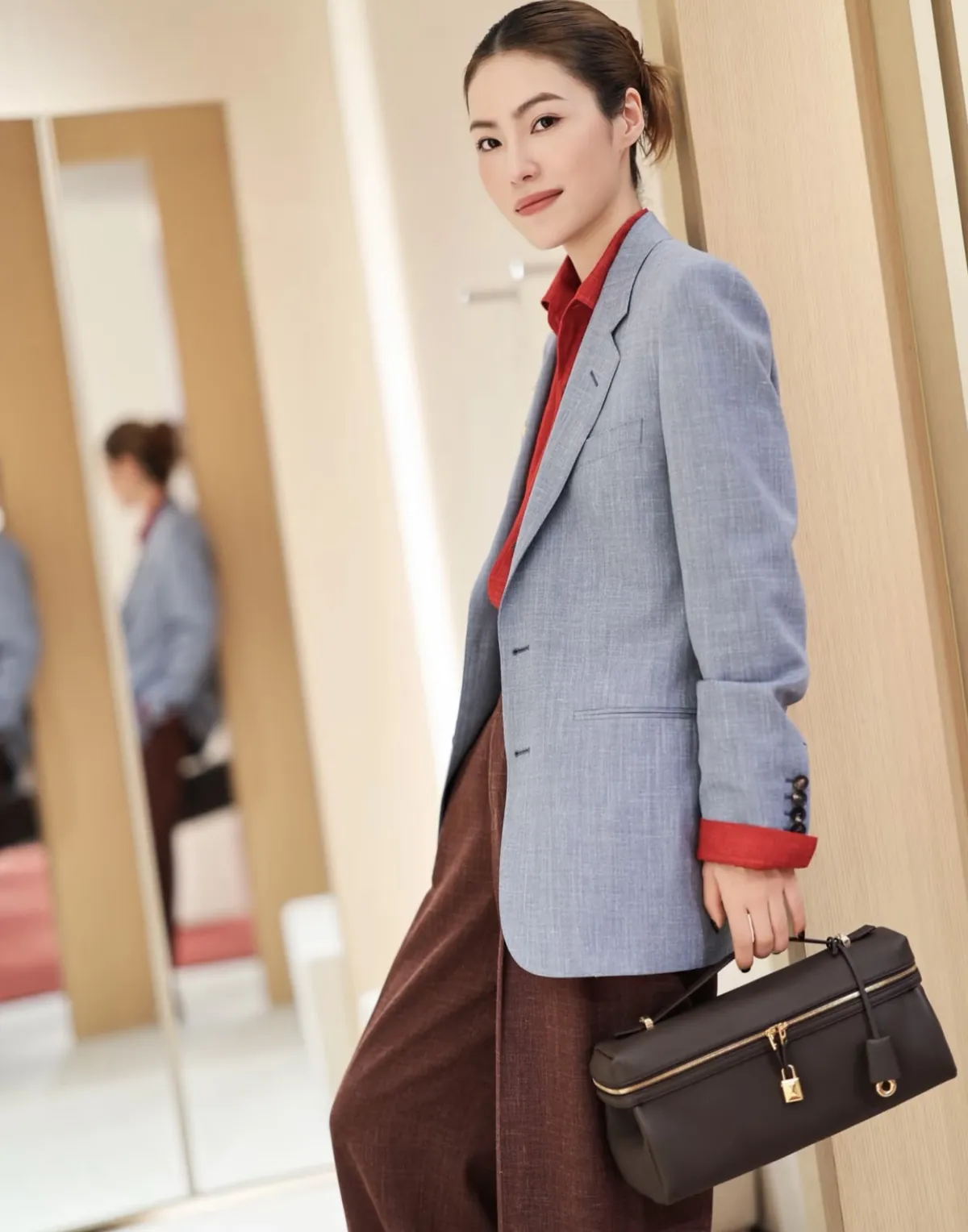
A cashmere Storm System ski jacket from Loro Piana works best as the quiet outer shell of a carefully ordered winter outfit. The aim is warmth through thin, deliberate layers rather than one thick sweater, so the jacket stays the streamlined piece you reach for on cold mountain days and winter city mornings alike. This guide answers the layering question directly: what goes underneath, in what order, and how to finish the look at the hem and boots.
Start with a thin base layer that sits close
The first layer is the one that manages moisture and keeps the rest of the outfit from feeling clammy. Choose a fine-knit merino or technical base in a neutral tone such as black, charcoal, oatmeal or cream. A crew neck is the easiest choice because it disappears under a zip neckline; a turtleneck adds warmth at the throat without a scarf. Keep the base smooth and fitted — a loose base bunches under a trim shell and defeats the point of a low-bulk silhouette. If you run warm, a short-sleeve or lightweight long-sleeve base is enough; if you feel the cold, upgrade the fibre weight before you add another garment.
Choose one mid layer, not three
The middle layer supplies the insulation and should be the only bulky piece in the stack. A fine cashmere or merino crewneck, a thin zip-front knit, or a light quilted gilet all work because they trap warmth yet stay flat under the jacket. Loro Piana's own interview notes the cashmere Storm System ski jacket worn for skiing at 3,600m in the Alps; that single reference point supports the idea of trusting the outer shell for protection and keeping the inside light. Where a plain knit supports the technical shell best is in tone and texture: pick a single colour family — grey over grey, cream under taupe, navy under black — so the layers read as one column rather than competing blocks.
Keep the jacket hem clear at the waist
The jacket's hem is the visual anchor of the whole outfit, so avoid adding length or bulk at the hip. Tuck thin knits into the trouser waistband so the jacket sits flat, or choose a mid-layer that ends at the hip bone. If you prefer an untucked knit, make it a fine-gauge one that skims the body rather than a chunky cable. The belt line stays clean and the jacket's shape stays legible. For a sleeker finish, a base layer tucked into a high-waisted ski trouser with the jacket zipped to the sternum creates a longer leg line.
Trousers and boots that suit snow and city
For the mountain, a streamlined ski trouser in a dark neutral keeps the silhouette narrow against the jacket and sheds snow easily; choose a boot that fits cleanly under the hem so no fabric drags. For winter city days, straight or gently tapered wool trousers in charcoal or black pair well with the jacket and finish with a weather-ready ankle boot or a lug-soled shoe. Avoid very wide trousers with a fitted ski jacket — the proportion becomes bottom-heavy. A plain knit or base layer supports the technical shell most effectively when the trouser is equally restrained.
Choosing between a knit mid layer and a gilet
A fine knit is the more versatile choice for travel and city wear because it works alone indoors. A light gilet is better when you expect to move between cold outdoors and warm interiors, since you can shed it without losing the base. If you want one investment layer, choose the knit; if you want adjustable warmth, choose the gilet and keep the knit thin. An existing same-brand wardrobe reference, Loro Piana Extra Softy L33 Bag: Tailored Outfit Ideas, shows how gilet layering can sit within a tailored look.
Finishing details that keep the outfit quiet
Accessories should be small and functional: a fine beanie, thin gloves, and a scarf only if the jacket's collar allows it. Avoid oversized scarves that crowd the neck and break the clean line. A compact crossbody or a small shoulder bag keeps hands free; the black shoulder bag with wide-leg trousers guide is useful for translating that balance into less technical outfits. For colder evenings, a long scarf can replace a knit collar if kept narrow.
A simple formula to repeat
- Base: fine merino or technical crew, tucked.
- Mid: one thin cashmere or merino knit, or a light gilet.
- Outer: cashmere Storm System ski jacket, zipped to preference.
- Bottom: slim ski trouser on the mountain; straight wool trouser in the city.
- Feet: clean boot that fits under the hem, no fabric drag.
Build the outfit from the skin outward and keep each layer thinner than the one before. The shell then does its job without the wearer feeling padded.