The style notebook
Louis Vuitton Fall 2026 Silk Salopettes: Farmwear-Inspired Outfit Ideas
How to style Louis Vuitton Fall 2026 silk salopettes: one tailored outer layer, plain shoes and quiet layers so the farmwear nod reads intentional, not costume.
For Louis Vuitton Fall 2026 silk salopettes, the outfit succeeds or fails at the top and at the ankle. Vogue's Nicole Phelps, reviewing the collection published 10 March 2026, notes that the “silk salopettes looked like farmwear given an LV spin” — a description that sets up the exact tension you are dressing around. Salopettes carry the bib-and-straps silhouette of practical workwear, but in silk the same shape turns soft, reflective and faintly theatrical. The way to keep it considered is to give the bib one tailored thing to sit under or over, keep the legs uncluttered, and choose a plain shoe that acknowledges the ground without dressing up as a farmhand. Everything below is my styling reading of that reported piece; the only hard fact is Phelps's farmwear-with-an-LV-spin description and its place in Nicolas Ghesquière's Fall 2026 ready-to-wear collection.
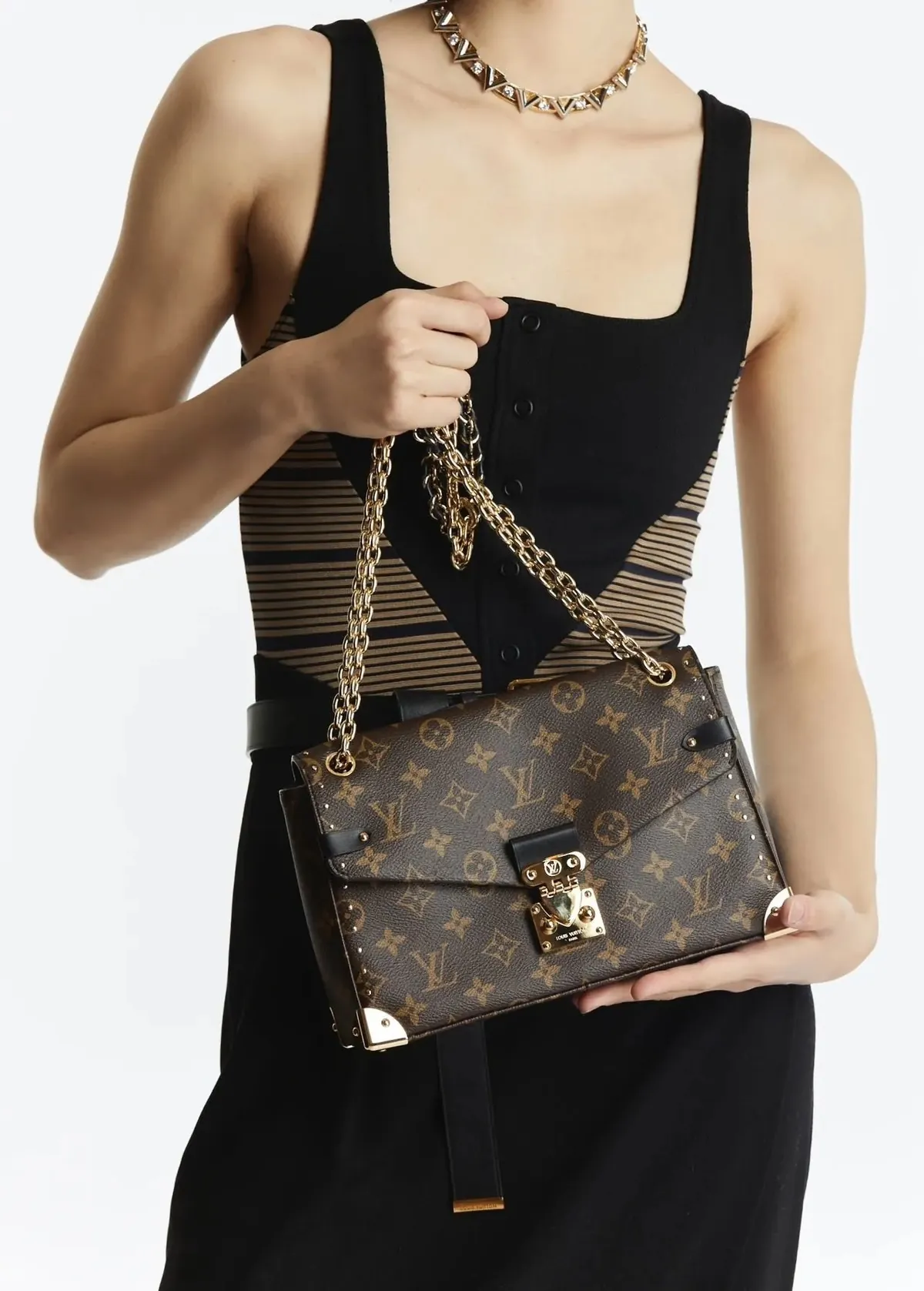
The featured image is an existing Louis Vuitton wardrobe reference, separate from the Fall 2026 looks discussed here.
Let one tailored layer carry the structure
Silk does not hold an architectural line the way denim or canvas salopettes would, so the outfit needs a structured piece somewhere to stop the look drifting toward fancy dress. A cropped tailored jacket is the cleanest answer. Phelps also notes “cool cropped leather jackets with eruptions of vegetal fur at the collars,” and a cropped jacket that ends at or just above the bib line is the most legible partner: it frames the straps and the bib without burying them. The crop matters because it leaves the salopette's own top half visible — the bib becomes a deliberate design feature rather than something you covered up in embarrassment.
A longer coat works too, but choose a clean, straight one and wear it open so the bib and straps read down the centre of the body. What I would avoid is a bulky, fuzzy or heavily detailed coat: the silk already supplies a sheen and a softness, and adding a second textured, voluminous layer turns the practical reference into something fussy. If the jacket is fur-collared or furry at the sleeve, treat that as the coat's statement and keep everything underneath it plain.
Under the bib: quiet, matte and close
The bib is the piece that makes salopettes read as salopettes; the layer beneath it should be chosen for how it behaves at the neckline and the armhole. A fine-gauge knit or a plain long-sleeve top in a matte, close tone is the safest partner — it gives the straps and bib a flat surface to sit against, and it lets the silk be the only shiny thing in the outfit. A crisp shirt can work if the collar sits cleanly at the bib, but a loose, floppy collar beneath a strap looks crumpled rather than relaxed. Prints beneath are the fastest route to costume: the shape is already the costume risk, so let the colour stay quiet and the fabric stay flat.
The shoe decides whether it reads as workwear or as a joke
Footwear is where the farmwear reference is either absorbed or exaggerated. A plain leather boot, a low lace-up, or a clean flat will read as a considered acknowledgement of the workwear origin without costume. Rubber boots, heavy field boots with visible branding, or anything that looks like an actual farming accessory pushes the look into dress-up. A leather sandal in warm weather is a reasonable contrast, because it treats the salopette as a modern city piece and lets the practical silhouette stand alone. What I would not do is add a wide-brim hat, a checked neckerchief or a tool-belt to complete a “theme” — the reference is already in the garment.
Finishing: keep the rest plain and the proportions visible
Because the salopette is a single piece, everything else is decided by a small number of edges: where the jacket stops, where the trouser or cuff ends, and how much of the silk shows in between. Keep bags simple and matte so they sit quietly beside the sheen. Avoid a second focal point at the waist, where the bib already draws the eye. The one thing to check in the mirror is the length of the leg — a salopette's proportion depends on the hem break, so try the actual piece on with the shoes you intend to wear. That is a conditional check, not a guarantee of any particular fit.
If you want the closest comparison in tone, the Fall 2026 tweedy jackets woven with forest creatures sit in the same earthy, folkloric register and could be the tailored layer that fits the salopette's mood most naturally. Where the brief asks for an outer layer over the salopettes, that woven warmth is a better partner than a glossy or metallic piece.