The style notebook
Louis Vuitton Fall-Winter 2025 Duo Belt Bag: Waist-Carry Outfit Ideas
Waist-carry ideas for the Louis Vuitton Fall-Winter 2025 Duo Belt Bag: top length, waist height and layering that keep both satchel pouches readable.
The Louis Vuitton Duo Belt Bag asks one thing of an outfit: leave the waist visible enough that two small satchel pouches can be told apart. The belt sits at the waist, not slung low like a hip bum bag, and the pair of pouches hangs from a narrow leather belt rather than a wide one. So the clothing decision comes before the palette: a top that stops above the belt, a cropped jacket, or a dress with a defined waist will do more for the bag than any colour match. A long tunic that covers the belt turns two pouches into a shelf of hardware; a wide belt under the same tunic turns them into clutter.
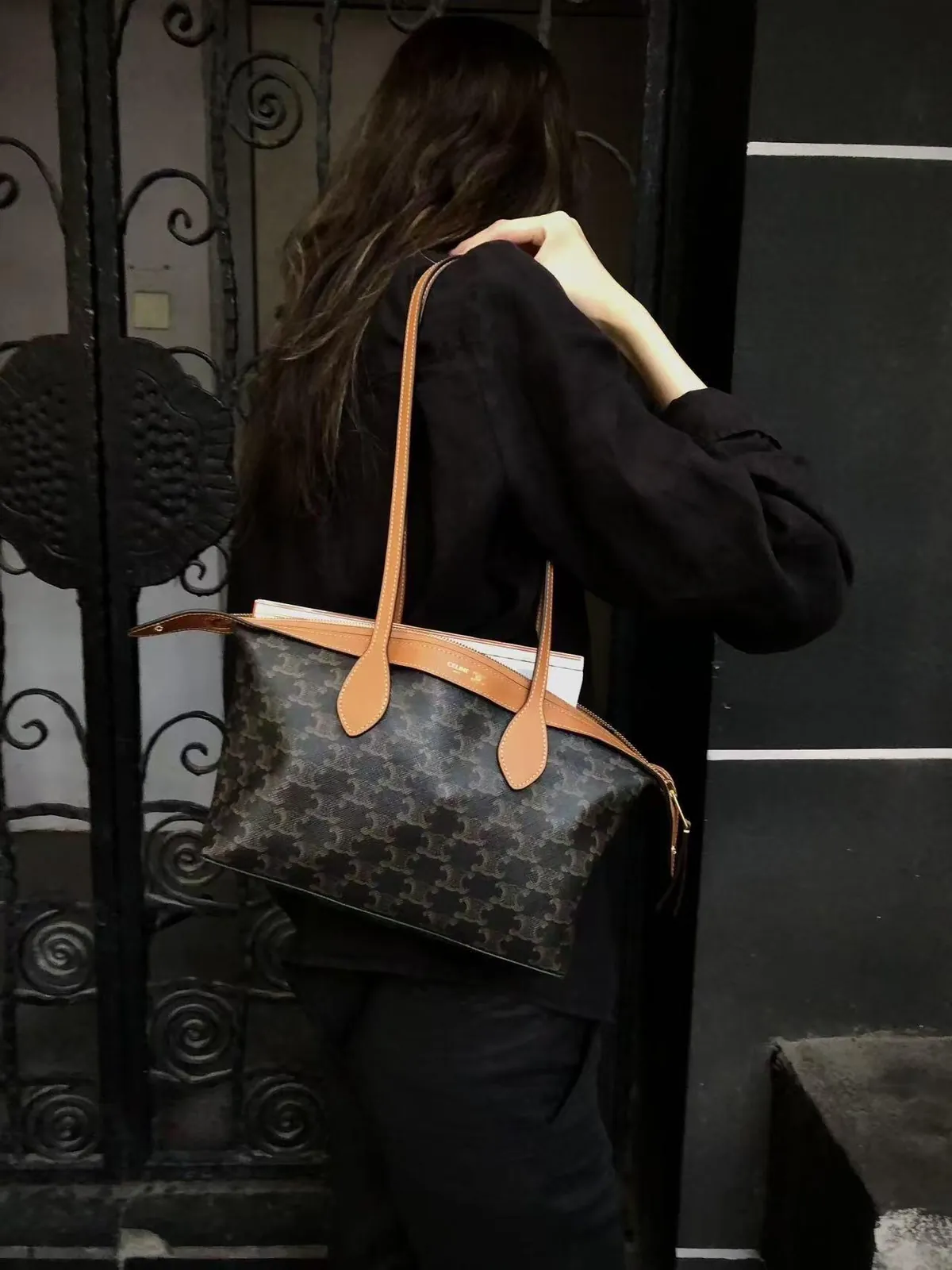
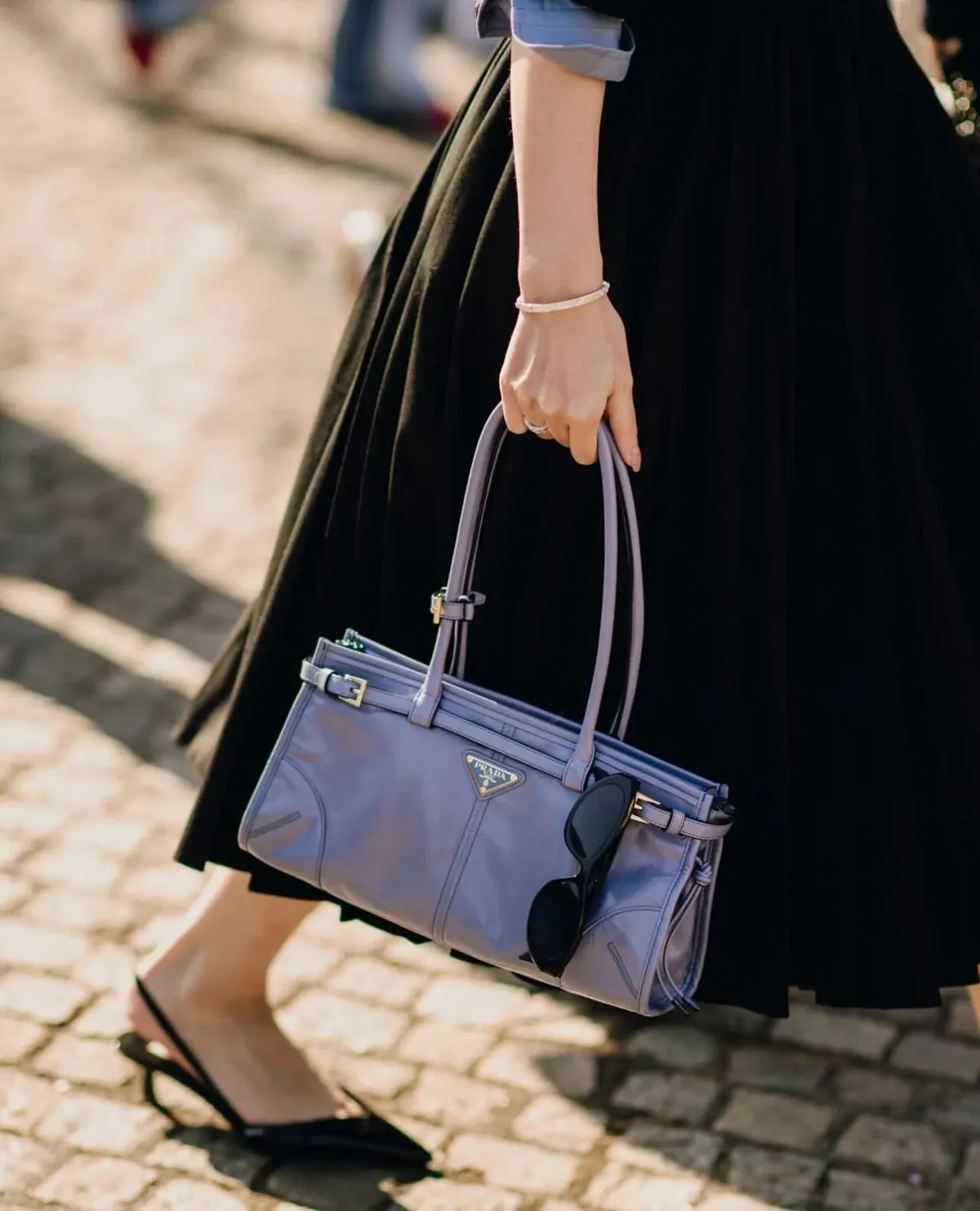
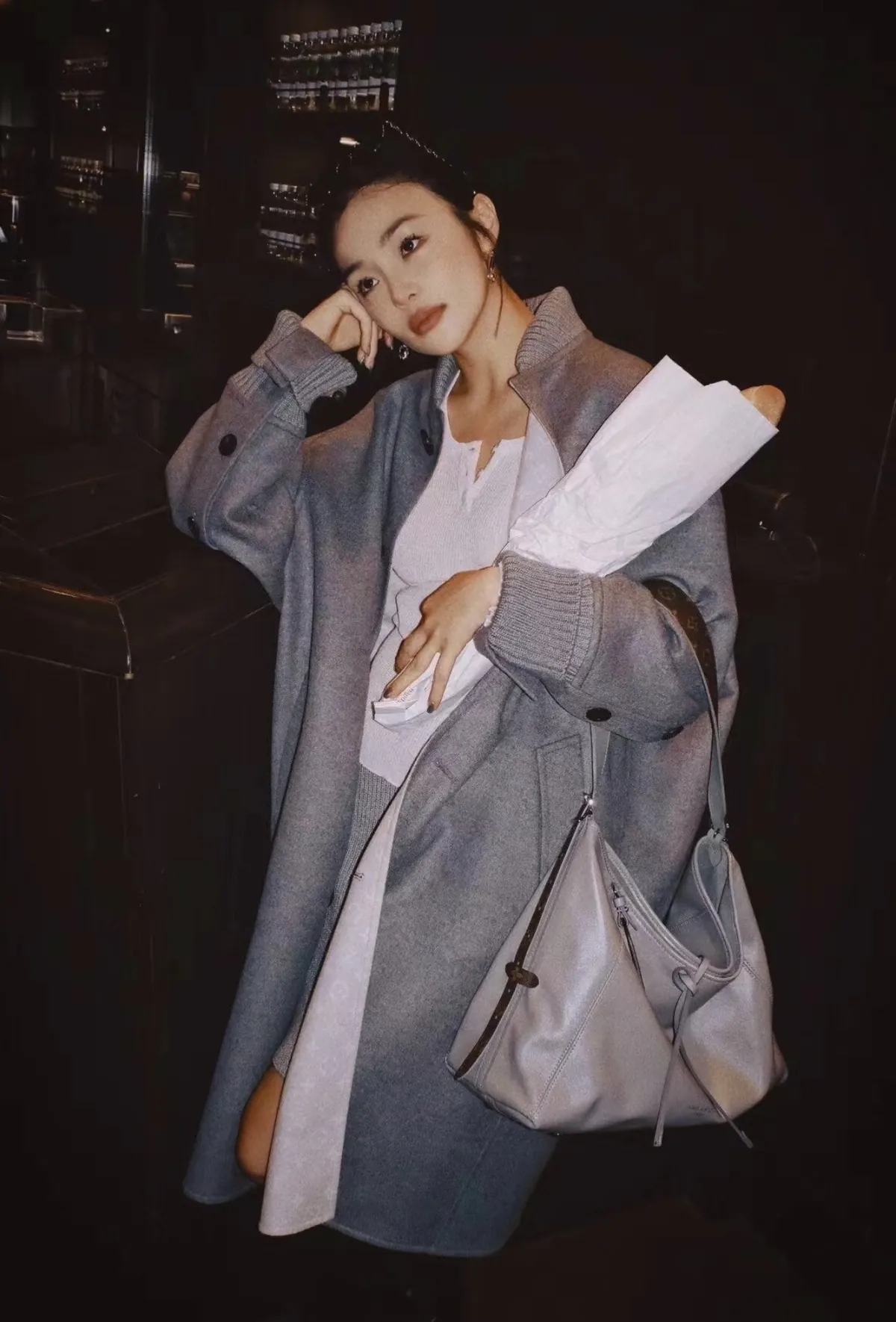
The featured image is an existing Louis Vuitton wardrobe reference, separate from the Duo Belt Bag looks discussed here.
The featured image is an existing Louis Vuitton wardrobe reference, separate from the Fall-Winter 2025 Duo Belt Bag looks discussed here. PurseBop's Anna McWhirter (published 11 March 2025) reports that the Duo Belt Bag consists of two satchel-style bags reminiscent of the vintage Saumur design, wrapped around the waist of models on the runway via a narrow leather belt, and presented in Damier Azur, Damier Graphite and the classic Monogram. Those are the reported facts. Everything below about hem lengths, top volume and colour pairing is my own styling reading for someone deciding how to wear it.
Why the waist has to stay the anchor
Two pouches side by side create a horizontal band with a break in the middle. Anything that interrupts the waistline — a dropped seam, an untucked shirt falling past the belt, a coat buttoned to the hip — hides that break, and the bag reads as a single lumpy accessory pinned to the body. Keep the belt on show and the two Saumur-style fronts read as two separate objects, which is the whole point of the design.
In practice, this favours three things. A fine-gauge knit or a shirt tucked in at the natural waist, with only a small amount of blousing above the belt. A cropped jacket whose hem stops at or just above the belt, so the pouches hang in open air. A belted dress or a skirt with a waistband already at the right height, so the Duo Belt Bag either replaces or sits immediately beside that waistband. Where I would choose differently: if you prefer long, loose layers, wear the belt over a slim base layer and let the overshirt stay open, so the front of the waist is still clear.
Top length and volume: what keeps two pouches legible
A billowing top is the main risk. A wide, gathered blouse released over the belt hides the narrow strap and pushes the pouches outward, and the two-front detail disappears into fabric. Closer-fitting or lightly draped tops keep the silhouette narrow through the waist. If you want volume, put it in the sleeve or the shoulder rather than at the midriff.
Layering follows the same rule. A cardigan or overshirt worn open over a tucked base keeps a vertical strip of belt visible. A heavy knit worn closed over the belt is the harder option, because the knit's bulk sits exactly where the bag needs room. When the weather demands a closed outer layer, look for a jacket or coat that finishes at the hip but stays open at the front, or accept that the bag will be mostly concealed and treat it as an inner layer.
Trouser rises also matter. A high-waisted trouser puts the bag just above the waistband, which is a useful, tidy pairing. Very low-rise trousers leave a long midriff and the belt sits where the eye already expects a gap; that can work, but the top then has to be deliberately cropped rather than merely short.
Damier Azur, Damier Graphite or Monogram: matching a palette
The three finishes pull the rest of the outfit in different directions, and it is worth choosing the canvas first rather than styling around a neutral base.
- Damier Azur is the light, checked option and suits pale, sun-washed palettes: cream, stone, soft denim, oatmeal knitwear. It is the version that reads most quietly against light clothing, and it is easiest to pair with a white shirt and pale trouser for warm-weather travel. It is not the obvious choice for an all-black winter look.
- Damier Graphite is the darker check and pairs naturally with charcoal, black, navy and grey tailoring. It is the most forgiving for city wear and for outfits built around structured pinstripes or graphic prints, since the check provides a fine texture without asking for a colour echo.
- Monogram is the busiest of the three and wants plain clothing around it. A solid knit, a plain shirt or a single-tone dress lets the pattern carry the detail. Pair it with heavy prints and the outfit competes with itself.
Where the three overlap: none of them requires you to match a colour exactly. The lightest and darkest versions do best against tones a step or two away, rather than identical shades.
Skirts, dresses and the outer layer
A skirt or dress with a defined waistband is the simplest frame for the belt, because the bag follows a line the garment has already drawn. A pleated midi with a neat waist keeps the pouches sitting above a moving hem, which is a useful balance. A straight or pencil skirt with a clean waistband reads sharper. Loose, tiered or bias-cut skirts with no waist definition are harder — the belt then sits on soft fabric and the two pouches can look like an unrelated accessory.
For outerwear, a cropped jacket or a hip-length coat worn open does the work. A long trench buttoned over everything will hide both pouches, so treat that as a cold-day compromise rather than a styling statement. Structured tailoring — the kind of sharp pinstripe and graphic-print tailoring the same collection is reported to include — pairs well with the tighter check of Graphite, while soft knitwear sits well with the lightness of Azur.
Before committing to a waist-carry outfit, it is worth trying the belt over the specific top and skirt or trouser you plan to wear, checking where the belt lands and whether the two pouches stay separated by the belt's midpoint. That is a practical check rather than a promise about how the bag will sit on you.