The style notebook
Louis Vuitton Fall/Winter 2026 Boxy Tartan Skirts: Hem Length Ideas for a Petite Frame
How to hem a Louis Vuitton Fall/Winter 2026 boxy wool-mohair tartan skirt for a petite frame, with shoe-height and satin-top choices that keep legs clear.
A Louis Vuitton Fall/Winter 2026 boxy tartan skirt shortens a petite frame when its hem lands low and its shoe drops flat. The two fixes that matter most: keep the hem no lower than just above the knee, and put a shoe with visible lift or a defined ankle opening underneath. Both are styling calls, not rules the collection states.
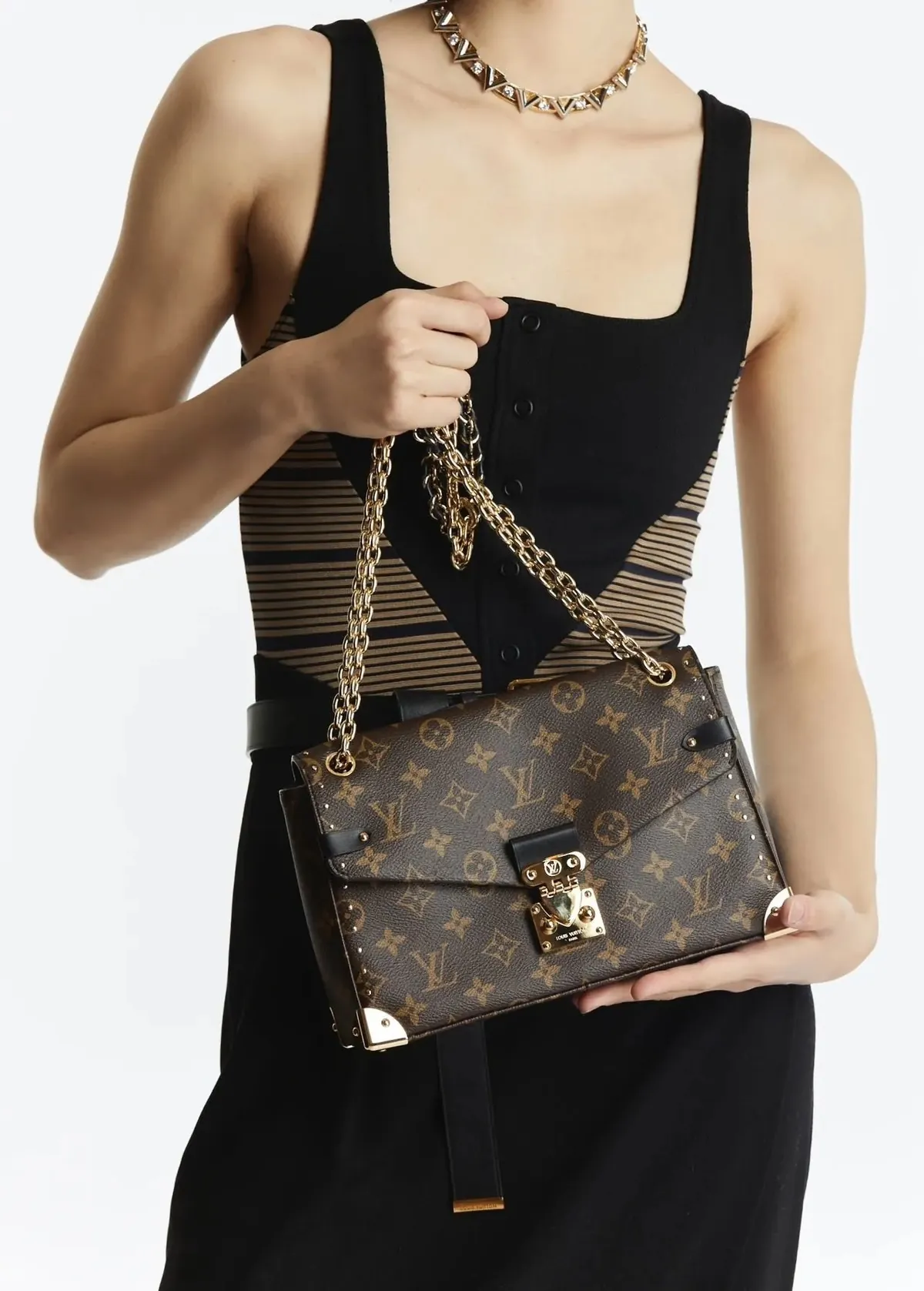
The featured image is an existing Louis Vuitton wardrobe reference, separate from the Fall/Winter 2026 looks discussed here.
Takako Araki, writing for Elle Japan on 21 October 2026, describes the look as a light satin burgundy top with a box-shape skirt in a classic tartan pattern, made from soft wool and mohair, worn for the Louis Vuitton Fall/Winter 2026 photocall. Those are the reported garment details. The proportion reasoning is mine.
Why the boxy skirt is the problem, not the tartan
A box-shape skirt is a straight tube from waist to hem. It does not narrow at the knee or follow the leg; it holds one width all the way down. On a short frame that width becomes a block of horizontal stripe sitting between waist and hem, and the longer that block runs, the less leg the eye can find under it. The tartan makes it firmer: the pattern draws repeated lines across the width, so the skirt reads as a wide rectangle rather than a garment that tapers.
So the hem is doing the proportion work. A hem at the knee or a little above leaves visible leg below the widest part of the skirt, and that leg is what re-establishes height. Let the box run to mid-calf and you get a long horizontal block over a short stretch of ankle, which is where a petite frame starts to look compressed. The wool-and-mohair cloth also has weight, so this is not a skirt that lifts and softens as you walk; it sits.
The hem range worth aiming for
- Just above the knee: the clearest option. The box still shows its shape, and a full lower leg stays visible beneath it.
- At the knee: workable, provided the shoe is light or lifted rather than flat and heavy. This is the upper limit rather than the sweet spot.
- Below the knee: the trickiest zone. The leg below the hem shortens quickly, and a boxy skirt there reads as a dropped column.
- Mid-calf: the wrong end for a boxy tartan on a short frame. A long straight skirt can look elegant when it swings; a firm box at that length mostly adds weight.
If the skirt arrives long, take it up rather than wearing it as delivered. That single alteration does more for the silhouette than any top choice.
Which shoe keeps the leg visible
The hem sets the amount of leg on show; the shoe decides whether that leg looks finished or cut off. A low block heel or a boot with a defined heel gives the ankle a clear ending. A flat, chunky shoe at a knee-length hem flattens the whole line, because the skirt's weight and the shoe's weight meet with nothing to interrupt them.
Two shoe directions suit the skirt's mood. A knee-high boot matched closely to the skirt's dark tartan tones keeps a single vertical line from hem to foot, and if the boot comes over the knee or the skirt ends just above it, the leg stays continuous. A low-heeled pump with a visible foot is the lighter alternative and works better when the hem sits right above the knee. In both cases the shoe should look deliberate under the box rather than accidental.
Don't let the ankle vanish. A shoe with a longer vamp that swallows the whole foot and ankle removes the last bit of leg you have. Some exposed foot or a clear boot shaft is what protects the proportion.
Where the satin top sits at the waist
The reported outfit pairs the skirt with a light satin burgundy top, and how that top meets the waistband changes the whole line. A tucked top puts the waist exactly where the skirt begins; the box then stands alone and the eye reads waist, skirt, leg in that order. That is the cleanest structure for a short frame.
A cropped top that ends at or just above the waistband does the same job with less fabric bunched under the skirt — useful with a firm wool-mohair cloth that doesn't want tucking. A loose, full-length satin top left over the waistband shifts the visual waist downward and adds a soft, wide layer on top of a wide skirt. That doubling usually works against a petite frame. If you want the top loose for the satin's drape, keep it short enough that the waistband still shows.
Building the rest of the outfit around it
The skirt already carries colour and pattern, so the pieces around it can stay quiet. A fine knit or a slim long-sleeve in a deep neutral above, dark tights only when they match the boot and continue the line, and one compact bag. Avoid a boxy jacket cropped exactly at the skirt's waistband: three stacked horizontal edges at the same point read as bulk. If you want a jacket, one that ends below the hip and follows the body is the easier layer.
For more on matching the satin top and shoes, see the satin top balance guide. For the original skirt-and-top pairing, read the tartan skirt satin top guide. If the photocall's side trunk bag is the piece you are building around, the Side Trunk evening guide covers that combination. And when the skirt needs a coat over it, the coat and skirt wardrobe guide keeps the layers proportionate.
The short version: hem at or above the knee, a shoe with a heel or a clean boot shaft, and a satin top that stops at the waist. The box then reads as a deliberate shape instead of a length.