The style notebook
Louis Vuitton Low Key Messenger: Calf-Leather Shoulder and Clutch Outfit Ideas
Louis Vuitton Low Key Messenger carry guide: crossbody with coat volume, shoulder with tailoring, under-arm clutch with the gold padlock.
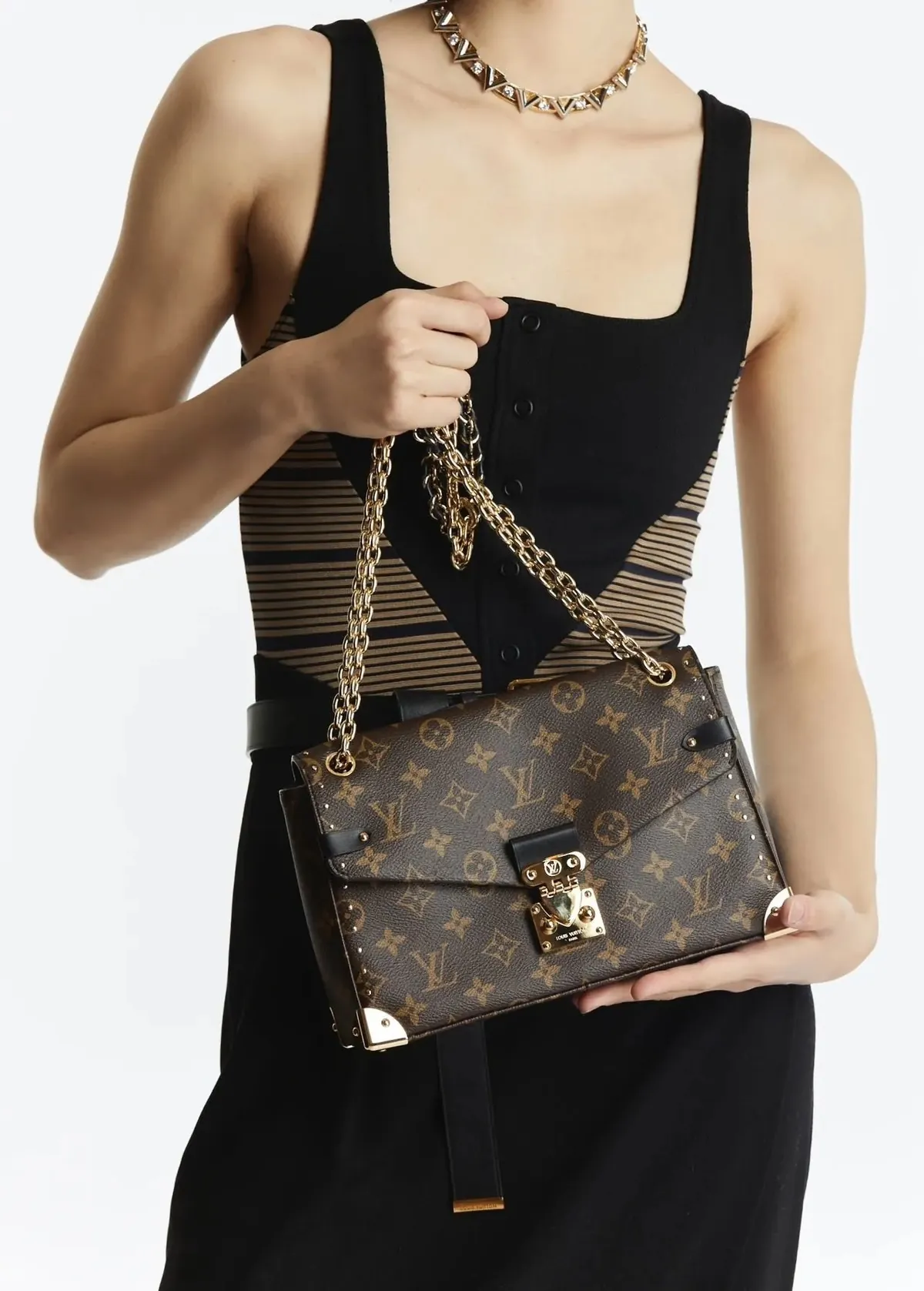
For the Louis Vuitton Low Key Messenger, decide the carry by what sits between your shoulder and your ribs, not by the outfit's colour. The bag is soft calf leather with a relaxed silhouette, a flap over a discreet magnetic fastening, and an adjustable strap whose drop runs from 7.5 to 16.9 inches. That adjustable range is why one bag behaves very differently over a coat than under a jacket, and why the under-arm clutch option is worth keeping in rotation rather than treating as a party trick. The gold-tone padlock is reported as vintage-inspired, and it is the one piece of shine that changes how much quiet the rest of the outfit can carry.
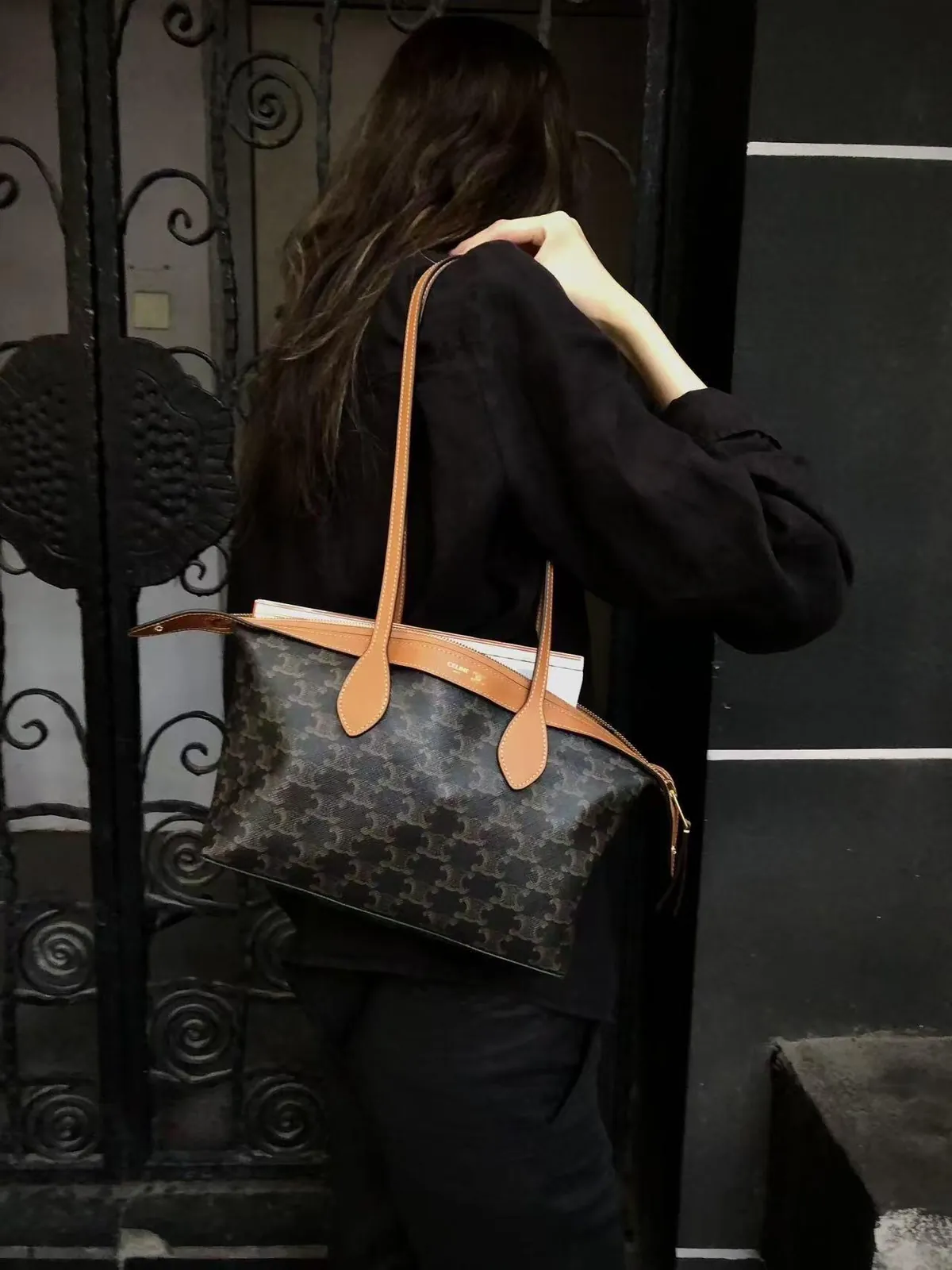
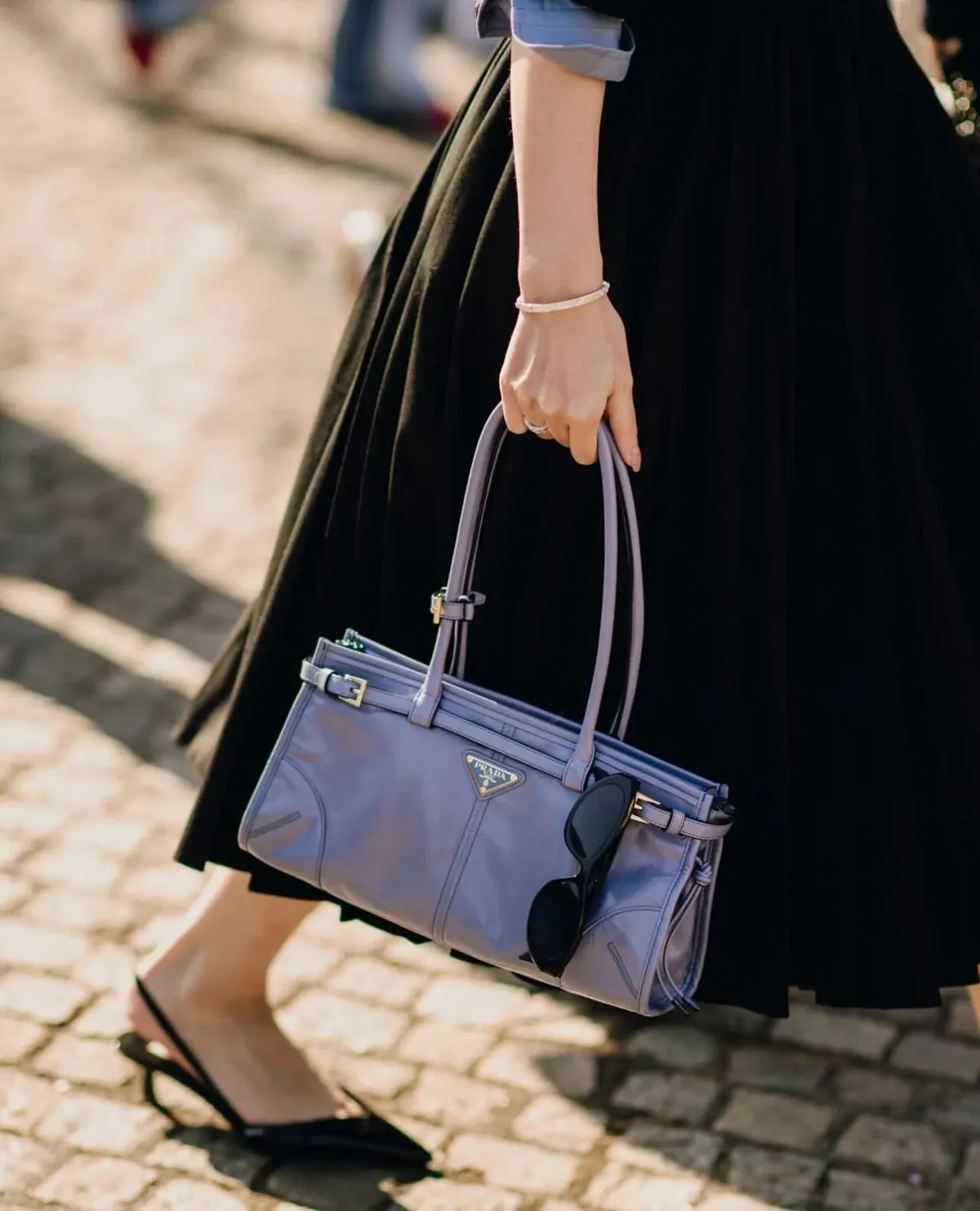
The featured image is an existing Louis Vuitton wardrobe reference, separate from the Low Key Messenger looks discussed here.
PurseBop's Anna McWhirter (published 26 February 2025) reports the messenger as the first flap bag in the Low Key lineup, crafted from soft calf leather with a relaxed silhouette, secured by a discreet magnetic fastening and finished with the vintage-inspired gold-tone padlock seen across the collection. The same report gives the measurable facts I rely on: 11.8 x 7.1 x 4.7 inches, strap drop adjustable from 7.5 to 16.9 inches, shoulder and crossbody wear, and a non-removable strap that still allows hand or under-arm carry. The carry judgements below are my styling reading of those design facts, not a claim about how the bag performs.
Crossbody is the coat decision
The long end of the strap is where outerwear matters most. Over a bulky puffer, a parka with a high fill, or a heavy wool coat, a long crossbody strap keeps the bag clear of the thickest fabric and lets it sit over the body rather than disappear into the coat's side. That is the practical reason to lengthen rather than shorten when the weather turns.
At the short end, the same strap puts the bag at the ribs, which is exactly where a coat's belt, a scarf end and a lapel already compete. With a slim wool coat or an unlined trench, that is fine and reads deliberate. With a belted coat or a scarf knotted at the chest, shorten the strap or move to under-arm carry and let the flap sit clean.
Crossbody also suits the plainest clothing. A dark knit, a straight trouser and a flat boot leave the bag's flap and padlock as the only objects worth looking at. Where it works less well is over a printed or quilted coat: the flap's soft shape and the padlock then compete with a pattern that already occupies the chest and hip zone. On those days, take the bag to the shoulder or the hand.
Shoulder carry with tailoring
Shoulder position sits the bag higher and slightly behind the arm, which is useful when the outfit's interest is at the neckline or the waist. A tailored jacket with a defined shoulder, a fine-gauge roll-neck, or a shirt with a firm collar all read better when the bag is not cutting across the suit's front. The strap is not removable, so the shoulder is reached by shortening the drop rather than by taking the strap off; the bag simply hangs closer.
This is the carry I would choose with a suit. Tailoring asks for a clean vertical line down the front, and a long crossbody strap creates a diagonal that splits it. A shortened strap keeps the bag near the elbow and lets the jacket's closure stay visible. It also places the padlock higher and closer to the body, which is where it should be if you are relying on it as the only metal in a quiet grey, navy or black outfit.
Where the shoulder carry is weaker is under a very heavy coat. Thick wool, shearling or a padded shoulder pushes the strap down and forward, and the bag ends up wedged between the arm and the ribs. That is the day to lengthen the strap into crossbody or take the bag in hand instead.
The under-arm clutch and the padlock
Tucked under the arm, the bag is held by hand and forearm against the side of the body, and the flap faces the room. This is the carry that makes the most of the gold padlock, because the hardware sits at hand height in front of the torso rather than under the arm. Use it with a dress, a skirt suit or a simply cut coat worn open over a plain base. It also works with a structured jacket at an evening event where a crossbody strap would sit awkwardly over the shoulder line.
The padlock question is really a contrast question. In Black or Cognac leather against grey, navy, cream or black clothing, the gold reads as the single warm accent and needs nothing added — no gold necklace, no gold belt buckle, no second metal at the wrist. Against camel, chocolate or rust tailoring, the gold blends into the warm family and becomes a quiet detail rather than a focal point. If you want the padlock to be noticed, keep the clothing cool; if you want the leather to lead, keep the clothing warm and matte.
A quick way to settle it is to check the neckline before you leave. A gold padlock plus a gold necklace plus gold earrings tips the outfit into matching rather than composing. The bag is understated enough on its own that a single piece of other metal is usually plenty. If you are carrying it by hand and the padlock will sit against a bare arm or a light sleeve, the gold shows more readily than it does over a dark sleeve, and that is worth accounting for.
See also our notes on a black shoulder bag with wide-leg trousers for the plain-base logic, and herringbone coats with a shoulder bag for coat volume and strap placement.
A three-line rule for the morning
- Heavy coat, plain clothing: lengthen the strap and carry crossbody.
- Tailoring, neckline interest: shorten the strap and carry on the shoulder.
- Evening, dress or open coat: take it by hand, flap forward, and let the gold padlock be the only metal.
Before committing to a carry for a long day, test the strap at the length you plan to use it with the coat you will actually wear, and check that the flap still sits flat once the bag is filled with your usual items. Those are checks against your own wardrobe, not predictions about how the bag will behave.