The style notebook
Miu Miu Fall 2026 1970s Trouser Suits and Mini-Shifts: Which Should Lead
Miu Miu Fall 2026: decide whether a 1970s-style trouser suit or a mini-shift anchors your look, and what changes around each one.
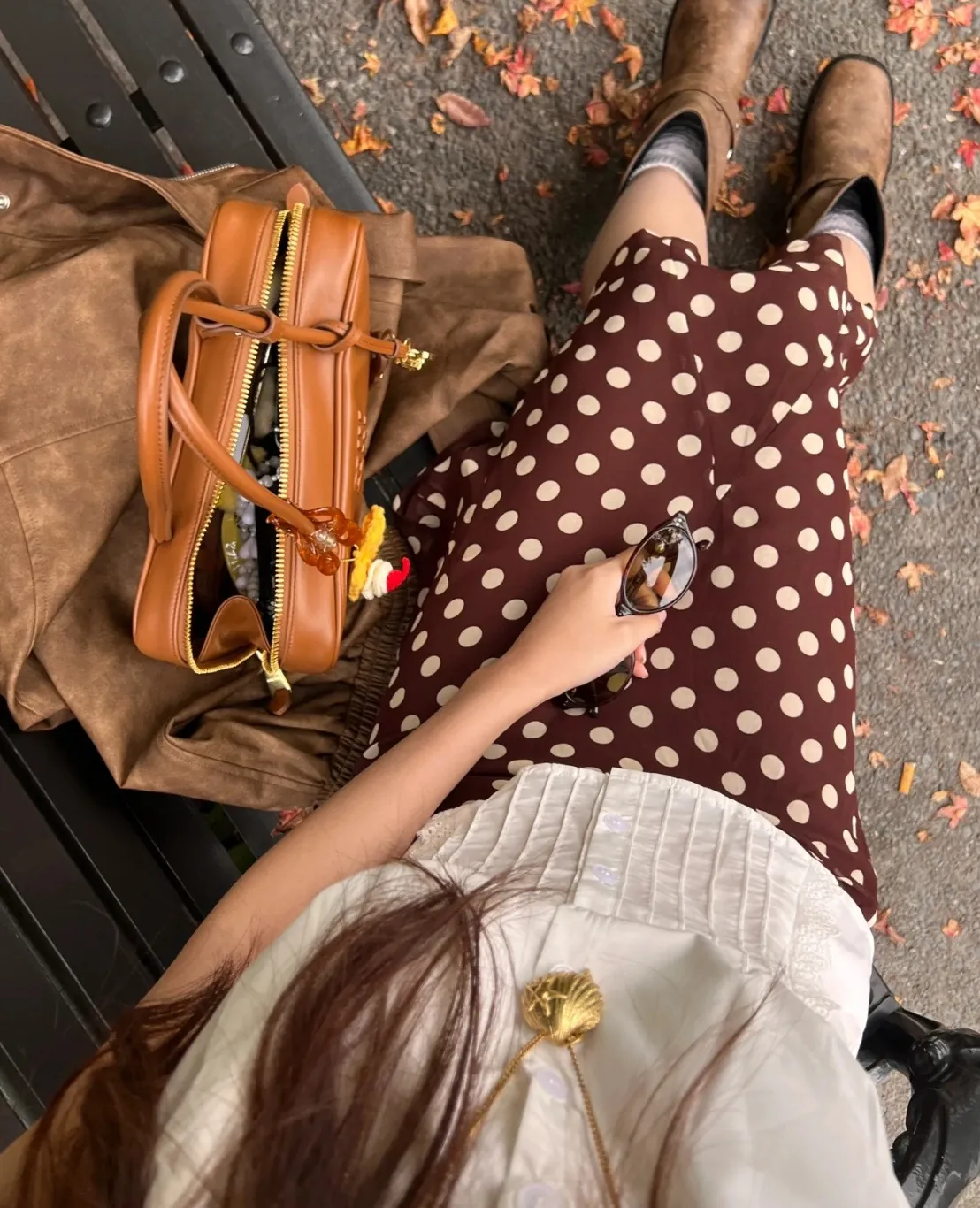
For a Miu Miu Fall 2026 outfit, the mini-shift is the easier anchor to build around, but the 1970s-ish trouser suit is the better anchor if you want separates that keep working after the outfit is over. That is the real fork: a dress that finishes the job in one decision, or a suit that gives you a jacket and a trouser to redeploy. Sarah Mower's Vogue review of the Fall 2026 ready-to-wear show, published 10 March 2026, groups “1970s or ’70s-ish trouser suits and mini-shifts” together as clothes “grounded in familiar territory,” and names a classic palette of black, gray, camel and burgundy. That grouping is the reported fact; the styling reasoning below is my own.
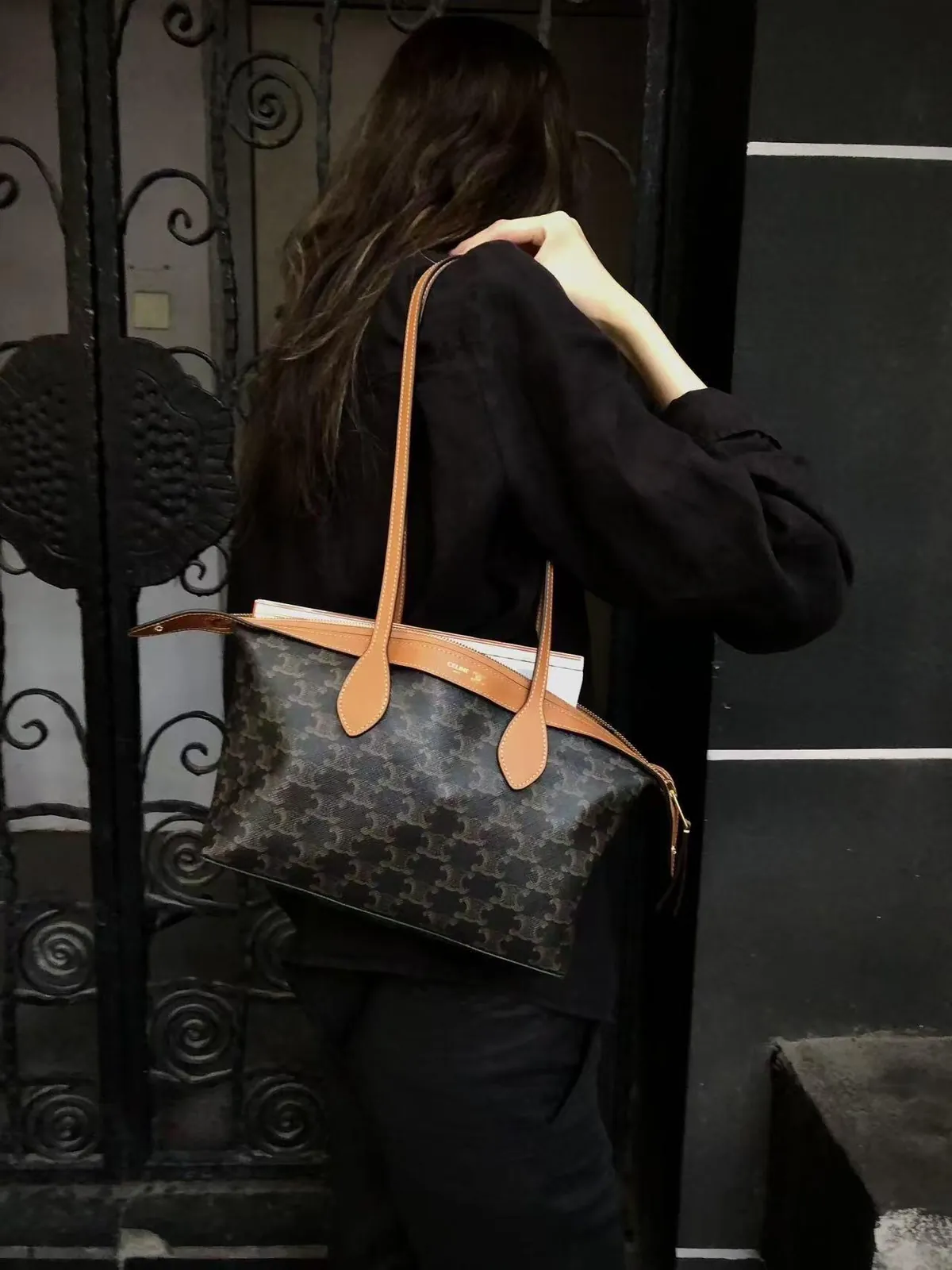
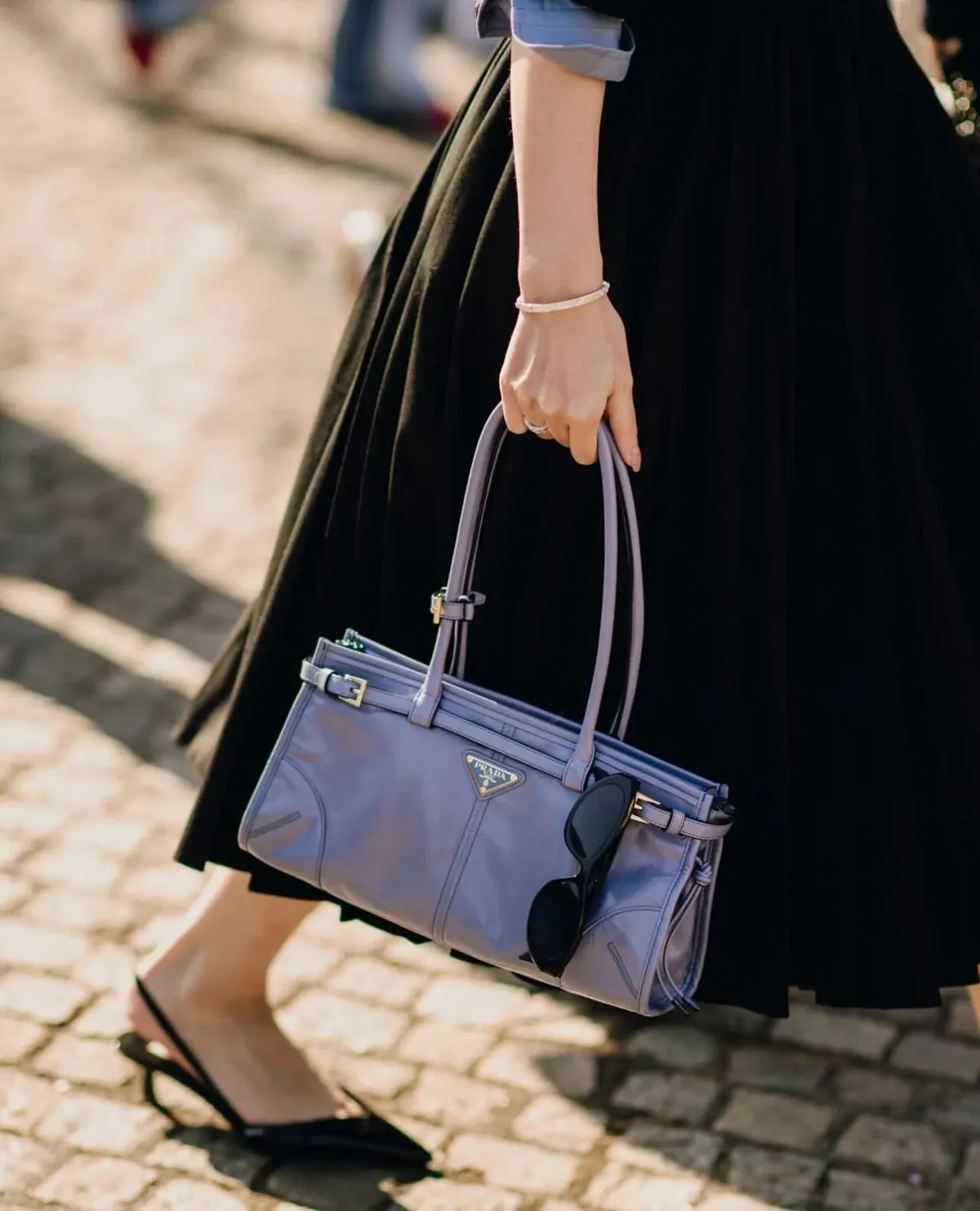
The featured image is an existing Miu Miu wardrobe reference, separate from the Fall 2026 looks discussed here.
The suit route: let the shirt and shoe stay quiet
A trouser suit brings two structured elements at once — a shaped jacket and a leg with its own line. Adding a third loud piece on top makes the outfit argument harder to follow, so the fitted shirt earns its place by staying close to the torso and letting the jacket cut the silhouette. Keep it plain rather than printed; the palette already supplies contrast when you put, say, a grey shirt under a camel suit or a black shirt under burgundy.
A flat shoe is the natural finish because it keeps the trouser hem reading as daywear. The temptation with a 1970s reference is to exaggerate — a strong lapel, a flare, a platform — but the approach Mower describes is reductive, so one period signal is usually enough. If the trouser has a wide or flared leg, the flat shoe keeps the whole line relaxed; if the leg is narrow, a flat still stops the suit from tipping into evening. Restrained accessories follow the same rule: a single narrow belt or one plain bag rather than a cluster of pieces.
The shift route: one accessory carries the whole look
A mini-shift is already a complete decision, which is why layering rarely improves it. The useful question is not what to add but which single accessory should do the talking. On a short one-piece, two or three accessories divide the eye and blur a clean column; one focused piece — a distinctive bag, a considered shoe, or a scarf at the neck — gives the dress a reason to be the outfit rather than a background.
Burgundy is especially useful here. On a black or grey shift it acts as a deliberate dark accent without introducing a print, and it reads warm against the cool neutrals Mower lists. Minimal layering keeps the proportions intact; a jacket or coat over a mini length can cut the body at an awkward point, so if you do add an outer layer, a shorter, cropped shape is the safer companion to a short hem.
How the classic palette keeps both grounded
Black, gray, camel and burgundy do different work depending on which route you take. On tailoring, the palette lets the jacket and trouser match or sit in close tones without demanding a pattern; a tonal suit reads calmer and more expensive-looking than a contrast one. On a shift, a single colour covers the whole body, so camel and burgundy carry more weight than they would as a trouser, while black and grey stay the most versatile.
- Suit: tonal jacket and trouser, a plain fitted shirt in the same family, flat shoes, one restrained accessory.
- Shift: one strong accessory in burgundy or a deep neutral, no busy layering, shoes that keep the short hem legible.
- Either way: let cut and colour do the work rather than adding print or extra hardware.
Which one to choose
Pick the mini-shift if your mornings are single-decision mornings and you want the dress to be the outfit, with one accessory as the accent. Pick the trouser suit if you value separates — the jacket over other trousers, the trouser with a knit — and if you are happy to give the shirt and shoe a supporting role so the tailoring stays the lead. The grey pencil skirt and fitted shirt guide is the closer relative to the tailoring route, and the slit-flare trouser guide covers the trouser line on its own if you want to build around a single leg shape.