The style notebook
Prada Spring 2027 Houndstooth and Prince of Wales Check Five-Pocket Trousers: Tailoring Outfit Ideas
How to pair Prada Spring 2027 houndstooth and Prince of Wales check five-pocket trousers: a matched-check jacket or a plain quiet topper.
For Prada Spring 2027 houndstooth and Prince of Wales check five-pocket trousers, the plain jacket is usually the better first answer, and the matched check is the bolder second pair. The check already does the talking on the leg. Repeating it across the jacket turns the outfit into a deliberate suit statement, which works — but only if you want that formality and are willing to police how the two patterns meet. Covering the check with a quiet topper keeps the trouser as the lead and lets the five-pocket shape read.
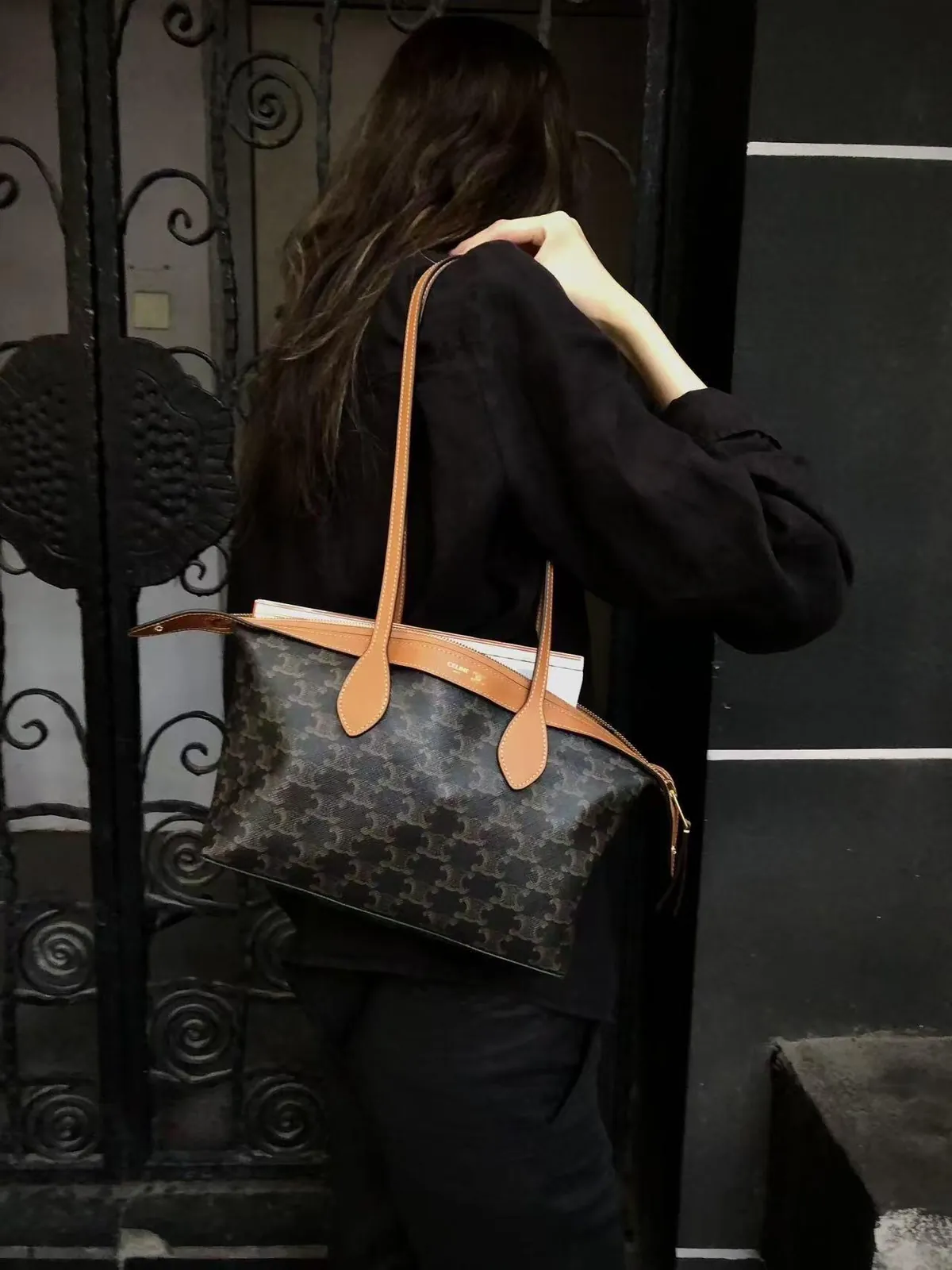
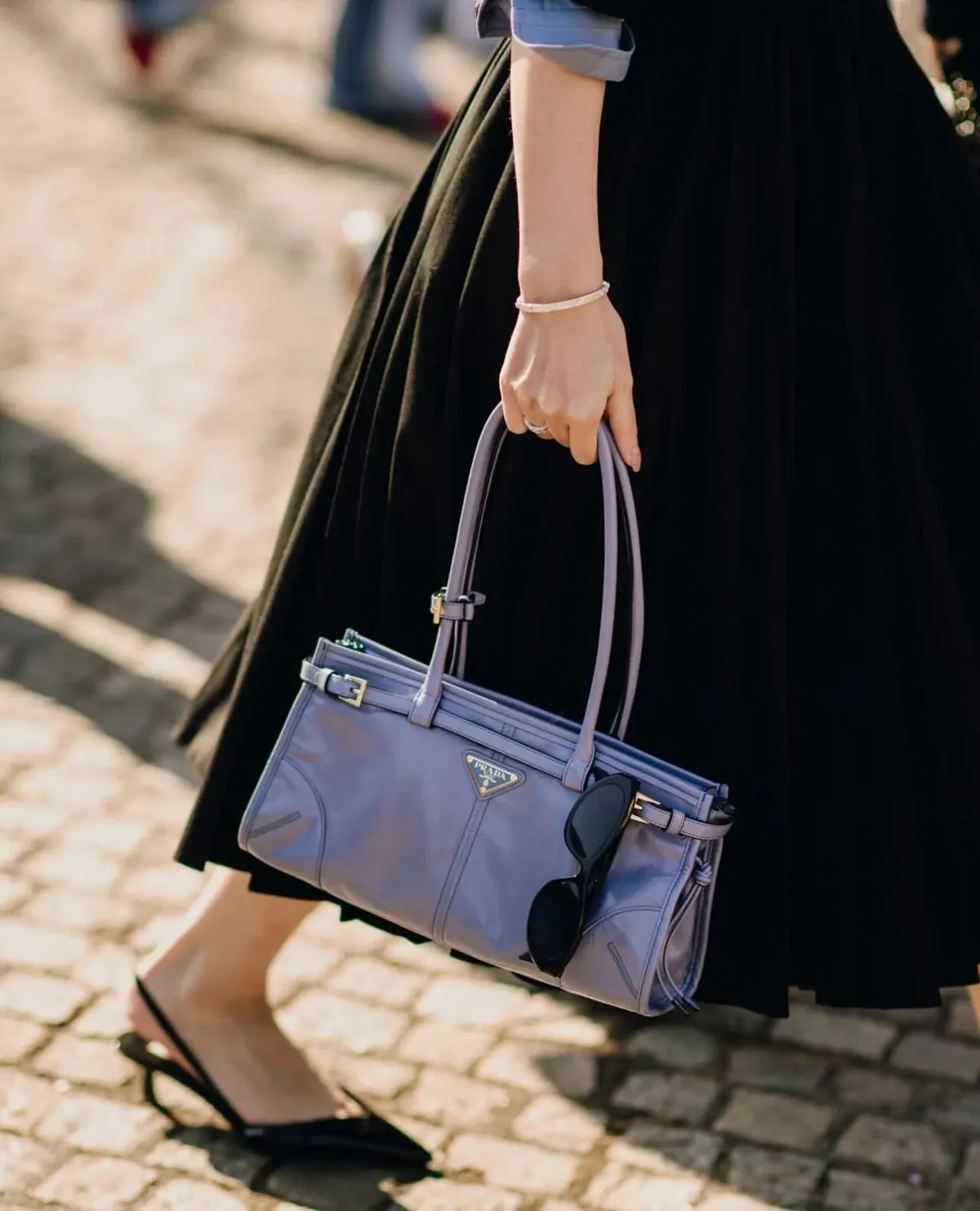
The featured image is an existing Prada wardrobe reference, separate from the Spring 2027 looks discussed here.
Luke Leitch's 21 June 2026 Vogue report on the Prada Spring 2027 menswear show is the source for the design facts below. He describes every pair of pants except the wool-pleated Looks 40–42 as following the classic five-pocket, rivet-strengthened template, the one generally credited to Levi Strauss and Jacob Davis in 1873, and notes that this archetype also appeared in tailoring fabrics including houndstooth and Prince of Wales check. His report also describes many leather pants in the same "rocky, skinny, Raf-y five-pocket fit," and tailored jackets that were single-breasted and broad shouldered. The styling judgements here are my own reading, not his prescriptions.
The reference image is an existing Prada wardrobe reference, separate from the check trousers discussed here.
Why the check works on the trouser and not always on the jacket
Houndstooth and Prince of Wales are both close-grained patterns built from a small repeating unit. On a narrow five-pocket leg, that small unit reads as texture from a distance and as structure up close — which is exactly the effect a jean shape wants. The trouser keeps its casual silhouette while gaining the visual weight of tailoring fabric. Put the same pattern over a broad-shouldered single-breasted jacket, and the repeat now covers a much larger, flatter surface: the check stops being a textural hint and starts being a graphic loud enough to compete with the five-pocket details at the hip.
That is the argument for a plain jacket. A solid wool, a plain leather jacket or a clean shirt-jacket lets the trouser carry the pattern and the narrow cut carry the proportion. It also keeps the "jeans in tailoring fabric" idea legible, which is the point Leitch's report makes about the archetype being rematerialised rather than replaced.
When the matched check earns its place
The matched route appeals when you want the outfit to read as a suit — a deliberate, formal gesture in an otherwise casual shape. If the check comes as a coordinated jacket and trouser, the jacket's broad shoulder and single-breasted cut give you a clean frame, and the matched pattern reads as one continuous idea rather than two competing ones. This is the version to choose for an occasion where the five-pocket detail stays a subplot and the tailoring is the message.
If the jacket is a separate rather than a designed match, be candid with yourself about scale. Two checks of different size in the same colour family will look like an accident more often than a decision; a matched pair or a genuinely plain topper avoids that risk. That is a styling judgement, not a claim about how the collection pieces were sold together.
How the skinny five-pocket cut limits the jacket length and shoulder
The fit is the fixed variable. Because the leg is narrow and close through the thigh and knee, the upper half can afford more volume without the whole silhouette ballooning — a broad-shouldered jacket has room to work precisely because it sits over a lean lower half. A cropped or hip-length jacket keeps the proportion sharp and lets the check run uninterrupted to the hem; a longer coat is a different, more relaxed story and should be chosen on purpose, not by default.
Consider how the jacket finishes at the waistband. The five-pocket construction carries rivets, pocket edges and a waistband that are all visible detail in a fabric that shows them clearly, so a jacket that sits exactly on that line creates clutter. Aim for a jacket hem that either clears the waistband or falls well below it.
Building the rest of the outfit around the trouser
- A plain fine-gauge knit or a clean shirt keeps the top quiet so the check and the narrow cut do the work.
- Footwear that reads small and neat suits the skinny leg; a chunkier shoe is a deliberate contrast, not the safe default.
- The accessories in Leitch's report — shrunken bags clipped by carabiner to belt loops and wide, weathered leather belts — point toward a low-effort, unencumbered finish rather than polished formal add-ons. His account frames that as transmitting an unencumbered attitude.
If you want a structured top-handle or shoulder bag to coordinate with softened tailoring elsewhere, the trouser-and-jacket balance ideas in this wide-leg trouser guide and the plain-coat framing in this plain clothing guide are useful for thinking about how a bag's line meets a trouser hem.
The verdict
Start with the plain jacket if you want a versatile piece that lets houndstooth or Prince of Wales check be the one pattern in the look. Reach for the matched check when you want the formality of a suit and the scale of the two patterns is genuinely coordinated. Whichever way you go, keep the narrow five-pocket fit as the anchor and let the jacket's shoulder and hem be chosen around it rather than against it.