The style notebook
Saint Laurent Fall 2026 Trouser Suits: Unlined Tailoring and Sloping Shoulders
Saint Laurent Fall 2026 trouser suits: how the sloping shoulder and unlined fluid cut should fit, and what to wear beneath a jacket shown with nothing on.
For a Saint Laurent Fall 2026 trouser suit, the fit decision begins at the shoulder, not the waist. Sarah Mower, writing for Vogue on 3 March 2026, reports that Anthony Vaccarello said backstage he had taken the sloping shoulder line from his latest men’s tailoring but made everything else fluid and unlined in the women’s suits. Mower also reports that he opened the fall show with eight dark trouser suits worn with nothing underneath, and that by the end there were 14. Those are her reported observations of the collection. The fit and layering judgements below are my own styling reading, and they describe the suit as a wardrobe proposition rather than a single garment.
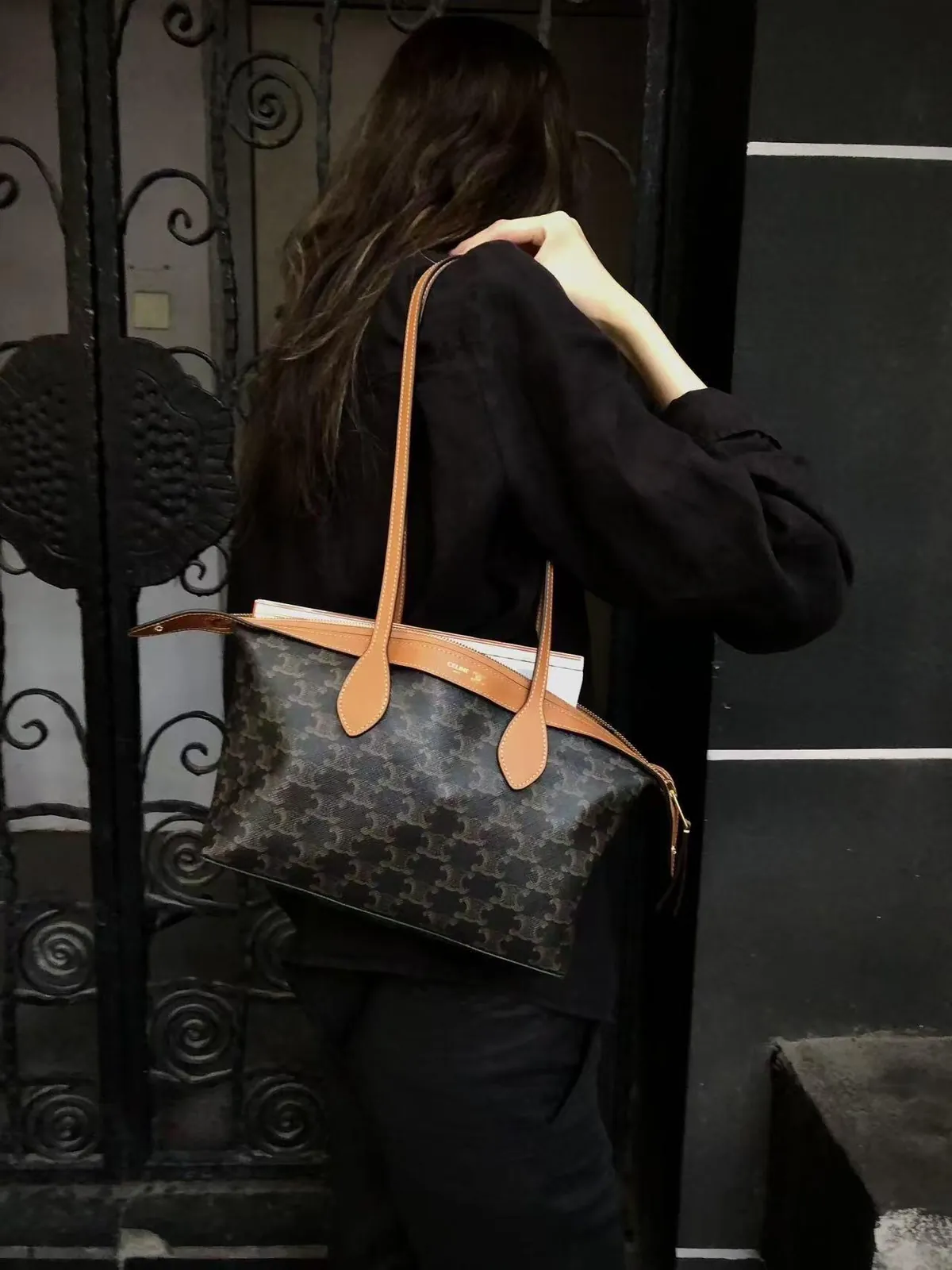
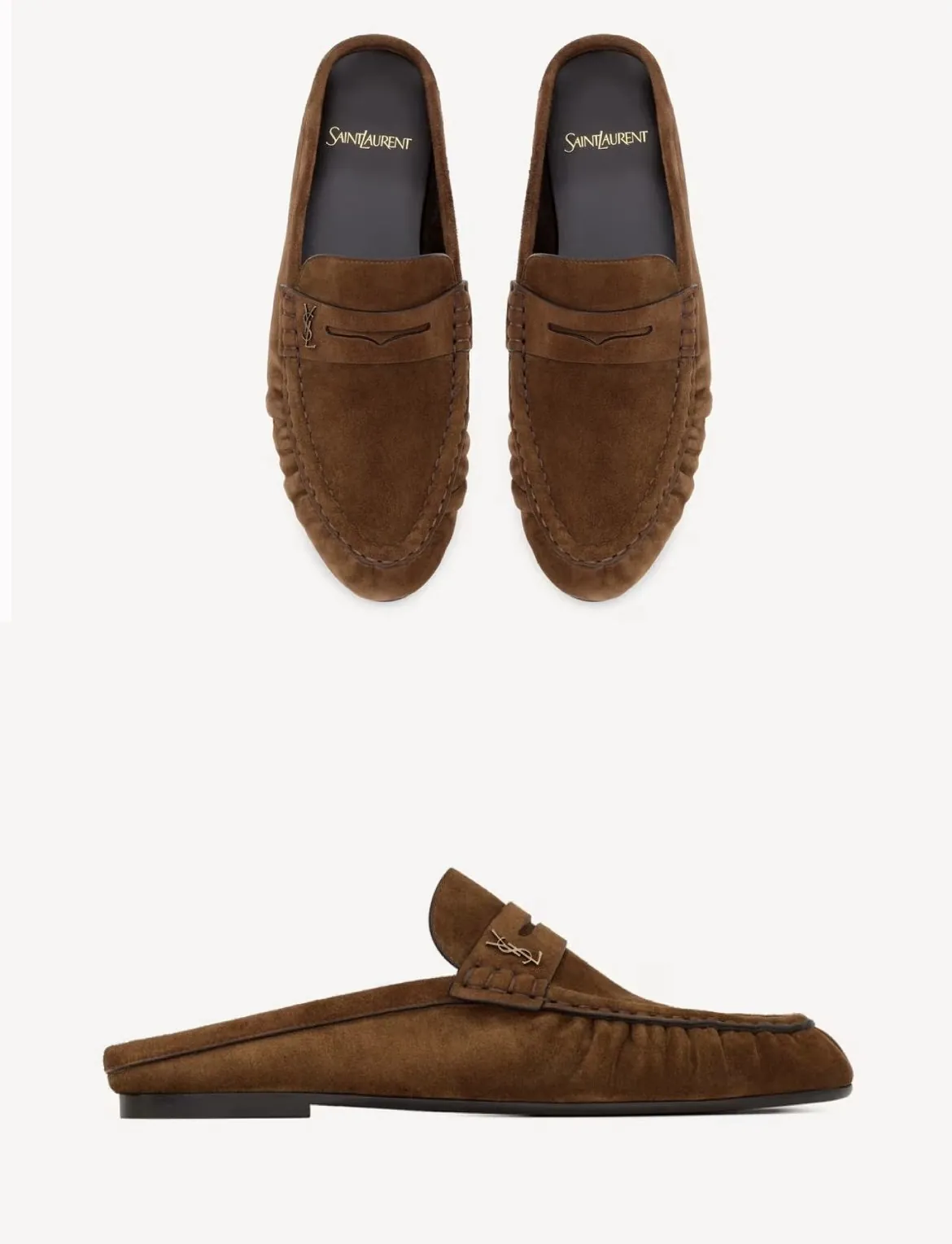
The featured image is an existing Saint Laurent wardrobe reference, separate from the Fall 2026 looks discussed here.
What the sloping shoulder line changes on the body
A sloping shoulder is a deliberate shape, not a fit fault to be corrected. Conventional structured tailoring often builds the shoulder up and out to hold a hard horizontal line; the report here points the other way, borrowing a softer men’s-tailoring line and letting the rest of the jacket stay fluid. That combination matters because a sloped seam that is too wide, or padded back into a square, loses the very thing that distinguishes the suit.
When you try one, the seam should sit where your own shoulder turns rather than hovering past it. If the jacket slides sideways when you move your arms, the shoulder is too wide for the intended line, and a tailor cannot convincingly narrow a sloping seam without disturbing the armhole. If the seam presses into the neck, the jacket is too narrow and the shoulder will pull upward. A jacket with little or no padding will show your actual shoulder slope, so expect the line to follow you rather than impose a shape. That is the point of the cut.
Sleeve, closure and the unlined question
Unlined construction changes what you feel and see at the closure. Without a lining to stiffen the front, the jacket has less internal scaffolding, so the way it hangs depends on the cloth and the cut. In practice that means the button stance and the lapel roll do more of the visual work, and a front that gapes when closed is a genuine fit problem rather than something a lining would mask.
Check the closure with the jacket worn as you intend to wear it. Button it over nothing and see whether the front edges meet cleanly down the centre; if they pull apart at the chest, the jacket is too small across the front or the button is placed where your body does not want it. Because the piece is reported as fluid rather than built up, a close fit that strains will read as a mistake, while a little ease through the body keeps the softness legible. Sleeve length is a related decision: with an unlined, soft shoulder, a sleeve that ends just at the wrist bone keeps the line clean, and a slightly shorter sleeve stops the cuff from bunching when the arm bends. I would treat these as starting checks at a fitting, not rules the collection sets.
Wearing the jacket with nothing underneath
The show’s “nothing underneath” is a styling statement, and it is useful to separate the runway idea from the wardrobe version. If you want to echo it without reproducing it literally, the neckline is where the decision sits. A jacket buttoned high with bare skin at the throat reads as deliberate and severe, close to the spirit Mower describes. A jacket left open over bare skin reads looser and more casual, which suits the fluid cut but asks more of the trouser and shoe.
- A fine-gauge knit or silk shell in a tone close to the suit keeps the sloping shoulder visible and adds a layer that will not disturb the unlined front. This is the safest choice for a workday.
- A slim high-necked top under a buttoned jacket gives the same closed-throat effect as bare skin while remaining covered, and it lets the lapel roll stay the focus.
- A camisole or bralette beneath a jacket worn open is the closest practical translation of the runway look for an evening, provided the trouser is tailored enough to carry the informality.
- Nothing at all works when the jacket closes securely on its own and the occasion allows it; this is a choice, not a requirement of the cut.
With a soft, unlined jacket, whatever you wear beneath should be smooth enough not to catch on the inside of the front. A textured knit can drag against an unlined cloth and shift the jacket off the shoulder as you move. That is a practical reason to keep the underlayer fine, separate from any aesthetic preference.
How the trouser fits with the jacket
The report describes trouser suits, so the trouser has to hold its own beneath a fluid jacket. Because the jacket is soft and unlined, a too-slouchy trouser makes the whole look collapse; a crisply pressed, straight or gently wide leg gives the jacket something to sit against. The rise should let the jacket hem fall where you want the horizontal break. I would let the jacket finish around the hip bone so the trouser’s waist and line remain readable, and I would avoid a very long jacket over a very wide trouser, since two soft volumes together lose the sharpness that distinguishes this tailoring.
Shoes are not part of the reported details, so treat the choice as your own. A pointed flat or a low, clean shoe keeps the trouser hem from crowding the floor; if the trouser is full, a shoe with some presence stops the hem from swallowing the foot. For more on balancing a soft jacket with a full trouser, the guide to a black shoulder bag with wide-leg trousers covers how the bag and trouser share the vertical line, which applies here once the jacket is open.
Where to choose differently
If your shoulders are already square, the sloping line may simply look like your own shoulder and lose the borrowed-menswear effect; in that case the fluid, unlined body of the jacket is the more useful feature, and you can ignore the shoulder as a selling point. If you need a jacket that stands away from the body for layering over heavier clothes, an unlined fluid cut will not give you that structure, and a more built jacket is the honest choice. And if the “nothing underneath” idea appeals but the jacket does not close securely on you, choose a covered underlayer rather than forcing the open version; the sloping shoulder and soft front deserve a jacket that sits calmly, whatever is beneath it.