The style notebook
Saint Laurent Safari Jacket: Historic Tailoring and Outfit Ideas
Saint Laurent safari jacket guide: how belt wear and pocket bulk keep a historic tailoring piece reading tailored rather than costumed.
The Saint Laurent safari jacket reads tailored rather than costumed when one decision leads and the rest submit: let the belt or the pockets be the single piece of hardware in view, never both at full volume. Vogue's house history places the safari jacket among the “repertoire of fabled pieces” — alongside the Mondrian shift, Le Smoking and the see-through dress — that gave Saint Laurent a modern vocabulary of dressing described as confident, worldly and sexually liberated. That is the reported framing; every judgement about belt, pockets and hem below is my own styling reading, not a description of how any show styled the piece.
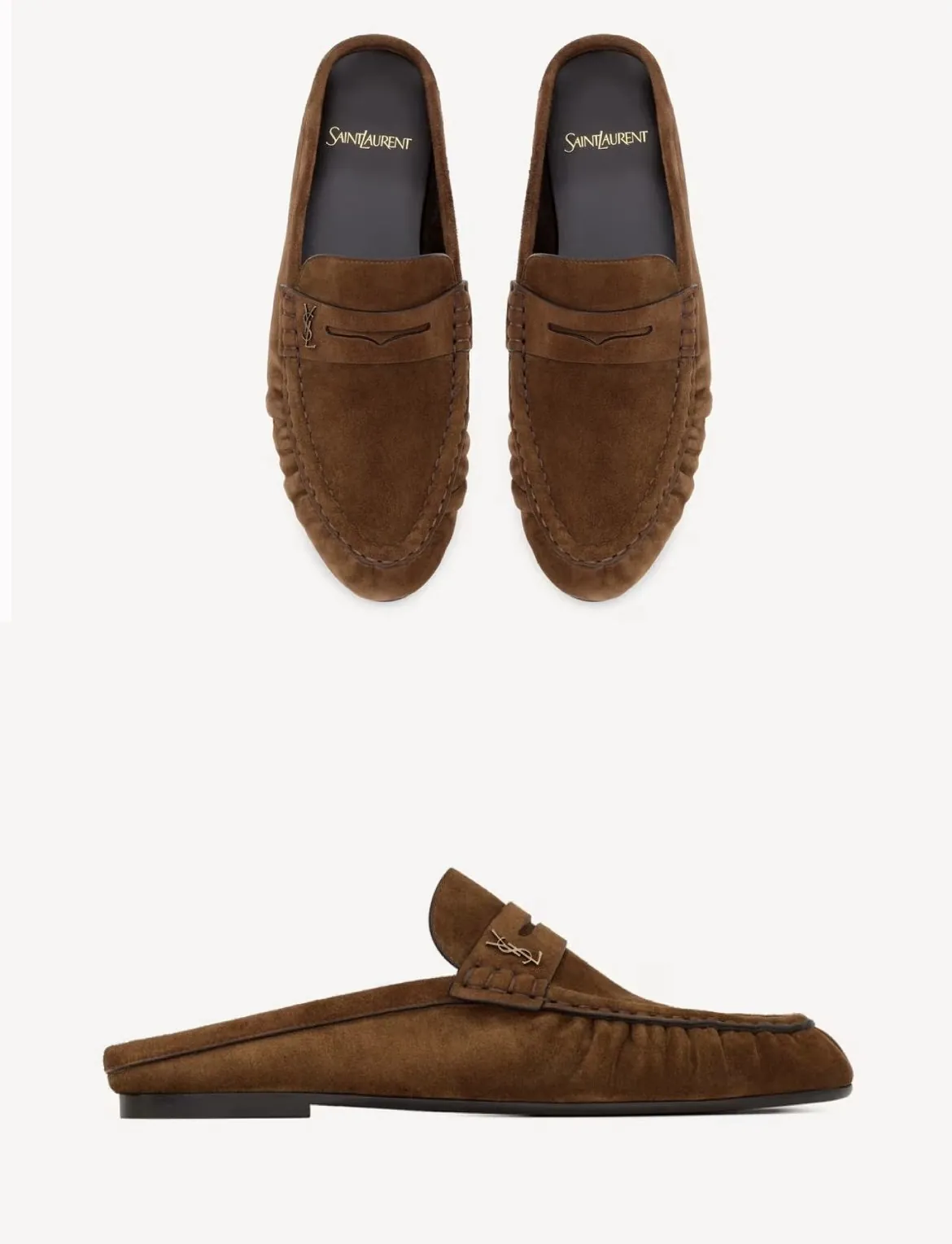
The featured image is an existing Saint Laurent wardrobe reference, separate from the safari jacket looks discussed here.
Vogue is also explicit that Saint Laurent worked by appropriation, lifting garments “humble (peasant blouses, military trenchcoats)” or ceremonial from other cultures and elevating them into high fashion. That is exactly the risk with the safari jacket: the utility-derived details are the source of its strength and the easiest way to tip it toward fancy dress. The historic-garment status is the reason to wear it; the costume problem is a balance question, not a reason to avoid it.
Belt tied or removed: what each version gives you
The belt is the first thing that makes a safari jacket look like a costume, because a belted jacket with four flap pockets and epaulettes is reading as a uniform. My preference for the tailored result is to tie or fasten the belt snugly at the natural waist and leave it tied rather than letting it hang loose — a loose belt end dangling at the hip is the accessory doing the talking. Knotting a fabric belt and tucking the ends or letting them sit flat is quieter than a brass buckle cinched hard.
Removing the belt is the more elegant option if your version has one, because an unbelted jacket with a clean waist line and open front becomes simply a structured short coat. Wear it open over a close-fitting plain top or fine knit and the safari details read as design rather than dress-up. Where I would choose differently: a very boxy cut needs the belt to define where the body is, otherwise it reads as a sack. A jacket already cut close at the waist can lose the belt without losing shape.
Pocket bulk: how flap pockets sit over trousers and skirts
Four patch pockets with flaps add horizontal weight across the torso and hip. On top of wide or pleated trousers, that weight doubles up and the silhouette goes square. The pairing that keeps the jacket dominant is a narrow or straight-leg trouser — the contrast between a roomy, pocketed top half and a clean vertical leg is what makes the utility detail look deliberate.
- Trousers: straight or slightly tapered, sitting at the natural waist so the pocket flaps land above the hip rather than beside it. A sharp crease reinforces the tailoring.
- Skirt: a slim pencil or a short A-line that stops above the pocket hem. A long full skirt beneath a pocketed jacket doubles volume at the widest point and the jacket stops leading.
- Length: a jacket that ends at the high hip keeps the pocket field compact; one that ends at mid-thigh spreads the pockets down into skirt territory.
If your trousers are wide, take the belt off and keep the jacket open so the vertical line of the leg shows through; that is the version that works, rather than a cinched wide silhouette.
Trousers, skirt length and keeping the jacket dominant
The jacket should be the outermost and most detailed layer. That means hems and tops stay plain: no cargo pockets on the trousers, no ruffled blouse, no second belted item. A plain silk shirt or a fine crew-neck is the strongest partner because the collar of the jacket does the work. Skirt lengths that stop a hand's width above or below the jacket hem create a clear two-part line; lengths that fall exactly level with the hem look accidental.
A restrained shoe
A low, fine shoe — a pointed flat, a slim loafer, a low block heel — keeps the look in tailoring register. A chunky lug sole or a strappy sandal pulls the safari jacket toward either hiking or holiday. Where I would choose differently: cropped trousers that show the ankle suit a loafer best, while a midi skirt wants the pointed flat so the line from hem to toe stays unbroken. If you are unsure of the leg line, try the jacket over your trousers and skirt with the shoes you actually wear before deciding on hem length.
The decision, said plainly
Tie or remove the belt first and decide the jacket's waist before you think about anything else. Then let the pocket bulk sit over a narrow leg or a slim short skirt, keep the top plain, and finish with a low, quiet shoe. The safari jacket earns its place as a historic piece when it is the most detailed thing you are wearing — not one of several.