The style notebook
Chanel Cruise 2026/27 Biarritz Looks: Dresses, Two-Tone and Stripes
Chanel Cruise 2026/27 Biarritz looks, decoded: how to build a black dress, two-tone and striped wardrobe with clear selection rules and shopping checks.

Chanel Cruise 2026/27 takes Biarritz as its starting point, and the collection's editorial threads circle a black dress, two-tone dressing and stripes. This guide treats those three ideas as separate wardrobe directions for Chanel Cruise 2026/27, each with its own selection rules, so you can decide which one earns a place in your closet.
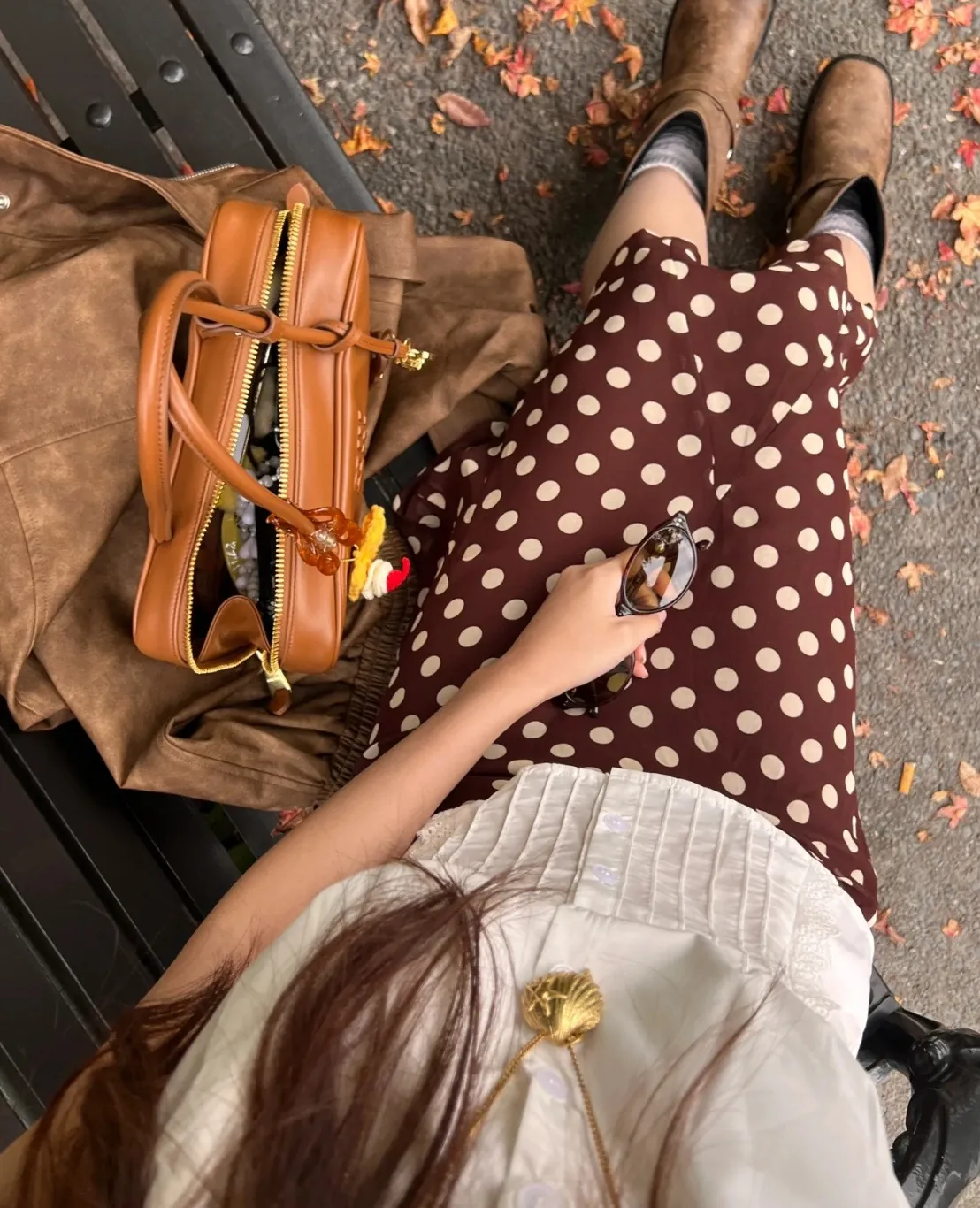
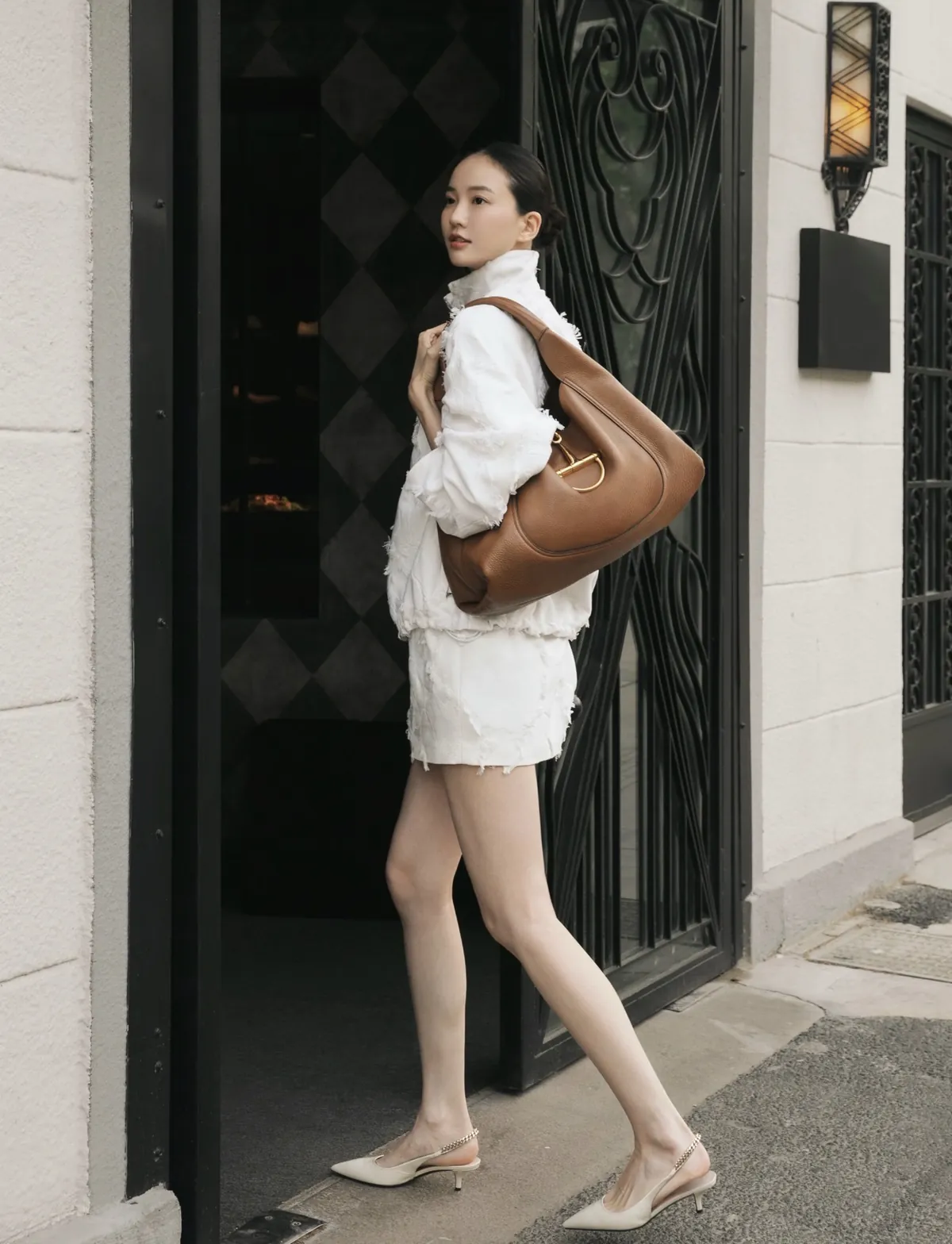
The reference image for this guide is an existing wardrobe reference, used here only to show how a finished look reads. The three directions below are styling decisions rather than a reproduction of any single look.
Why start with Biarritz at all
A seaside-resort premise is useful because it forces lightness and clarity. Biarritz dressing suggests daylight, movement and a certain crispness—nothing layered for the sake of it, nothing heavy enough to weigh a silhouette down.
That premise gives each direction a test. Does the look read clean at a glance? Can it survive a walk along the shore and a late lunch without adjustment? If a piece only works when everything around it is perfect, it belongs to a different wardrobe, not this one.
Direction A: the black dress and where the hem breaks
The black dress is the anchor of this collection story, and the real decision is proportion. A dress that stops at the ankle and a shoe that continues the line create one long vertical; a dress that stops lower on the calf creates a deliberate break.
- Ankle break: choose a hem that grazes the ankle and a shoe with a low, clean profile. The leg line stays unbroken and the dress does the talking.
- Lower-calf break: choose a hem a hand's width below the knee or lower, then let a shoe with a defined toe or a slight heel close the gap. The break becomes intentional rather than accidental.
- What to avoid: a hem that lands mid-calf with a bulky shoe, which shortens the leg without adding anything.
For the second version, existing Chanel shoe references such as the Chanel 25SS loafers show how a low, flat profile can keep a long dress from feeling formal. Pair the dress with a simple shoulder bag and let the hem and shoe line do the work.
Direction B: two-tone dressing with one dividing line
Two-tone works best when there is exactly one line where the colours meet—at the waist, at the cuff, at the toe, or along a bag's edge. Pick that line and build the rest of the outfit in a single tone so it stays visible.
The common mistake is adding a second two-tone piece. When a two-tone shoe meets a two-tone bag, the eye has two competing dividing lines and neither reads clearly. If you want both, separate them with a solid garment in between, or choose one two-tone piece and keep the other in a flat colour.
- One line: a two-tone shoe with a solid dress and a solid bag.
- Two pieces, one line each: a two-tone bag with a two-tone shoe only when the garment between them is plain and long enough to separate the two.
- Skip: two-tone top and two-tone bottom in the same look.
Existing Chanel bag references can help test the idea. A structured bag such as the Chanel 26A 25 mini handbag works as the single two-tone note against a plain dress, while the Chanel Cruise 2026/27 dresses and two-tone outfits guide offers a wider set of combinations.
Direction C: stripes in one place only
Stripes are the most demanding of the three threads because they draw the eye immediately. Limit them to one garment, and position that garment away from the shoulder and away from the bag handle.
A striped skirt or trouser keeps the stripe low and horizontal, which reads calm. A striped top works only if the neckline stays simple and no scarf or shoulder bag competes for attention at the same height. A striped bag handle is the hardest to manage, because the handle sits exactly where the eye lands when you reach for it.
- Best placement: skirt, trouser, or a sleeve seen only in movement.
- Manageable placement: a simple striped top with a plain neckline and no shoulder accessory.
- Skip: stripes at the shoulder or on a bag handle, especially alongside a second pattern.
Choose the stripe width to match the garment. Fine stripes on a fluid skirt stay quiet; broad stripes on a structured piece become the outfit's main statement, and then everything else should step back.
What to skip
A few combinations undo all three directions at once. A two-tone dress with a striped bag and a black shoe with a contrasting toe gives the eye three competing lines. A black dress with a striped scarf at the shoulder and a two-tone shoe repeats the same problem.
Skip anything that requires a second accessory to explain it. Skip piling two prints into one look. Skip a bag whose handle pattern sits at the same height as a striped neckline. The Biarritz premise rewards restraint, and restraint is the selection criterion that holds the whole wardrobe together.
A short checklist before you commit
- Does the dress hem meet the shoe at a deliberate point—ankle or lower calf—rather than somewhere in between?
- Is there exactly one two-tone dividing line in the look?
- If stripes appear, are they on one garment and away from the shoulder and bag handle?
- Can you remove one accessory and still have a complete outfit?
- Does the whole look read clean at a glance in daylight?
Answer yes to four of these five and the direction is working. The remaining question is simply which of the three threads—the black dress, the two-tone line or the stripe—belongs in your wardrobe first.