The style notebook
Dior Pre-Fall 2025 Kyoto: Kimono-Inspired Jacket Outfit Ideas
Dior Fall 2025 kimono-inspired jacket: how to handle the button-down beneath and its stiff extended cuffs, collar placement and plain base pieces.
For the Dior Fall 2025 kimono-inspired jacket, the button-down beneath should stay mostly hidden and let just a short band of its stiff extended cuff sit past the sleeve. That is the cleanest answer to the cuff question: skim the wrist, show one crisp edge, and let the woven jacket carry the craft story. ELLE's Alexandra Hildreth, writing on 15 April 2025, describes the reported look for Dior's Pre-Fall 2025 show in Kyoto as a woven kimono-inspired jacket that softly enveloped a button-down shirt with stiff extended cuffs, melding tailored rigidity with delicate craftsmanship. Those are the reported pieces. How much cuff, where the collar sits and what goes underneath are my styling reading, not a claim about fit or wear.
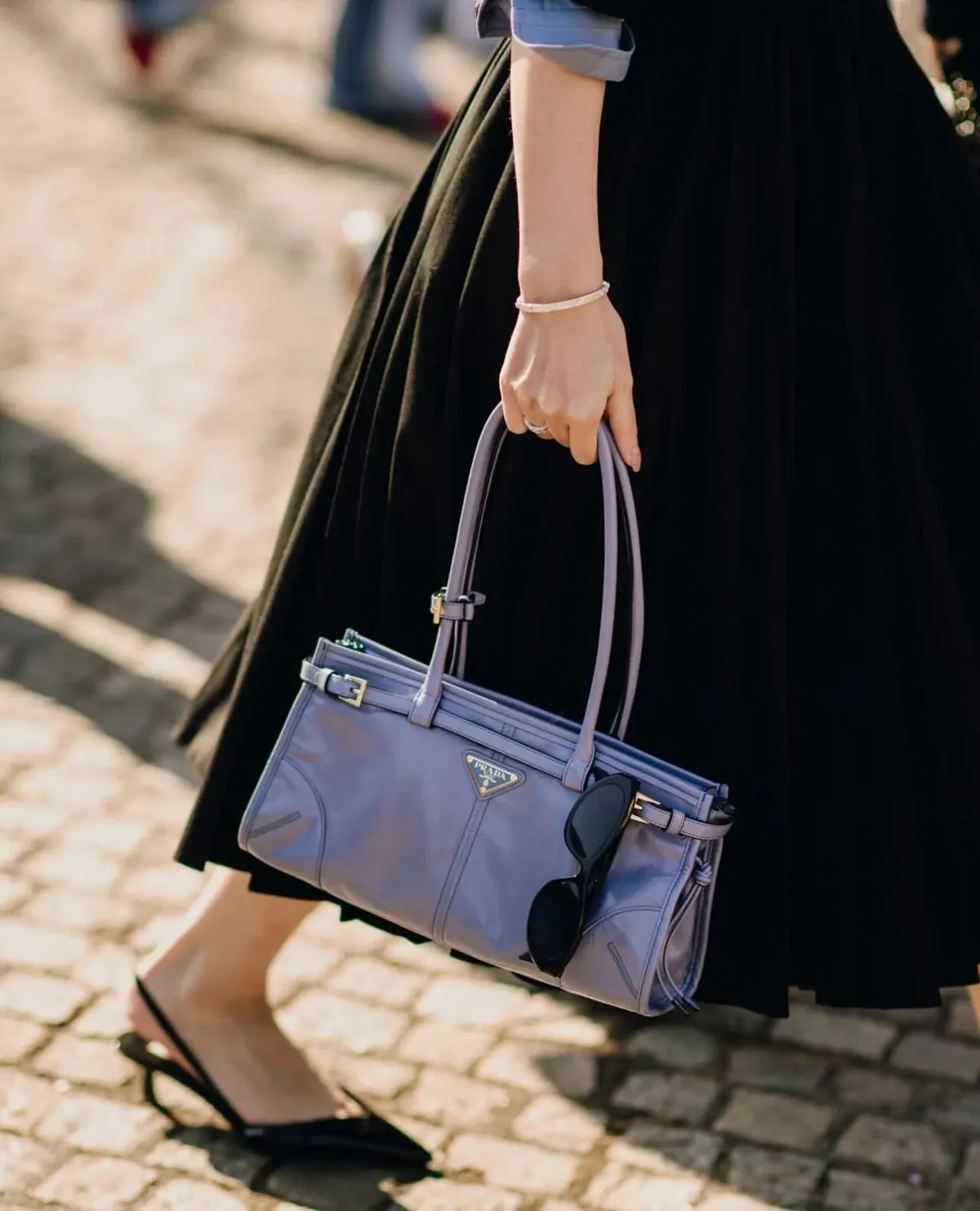
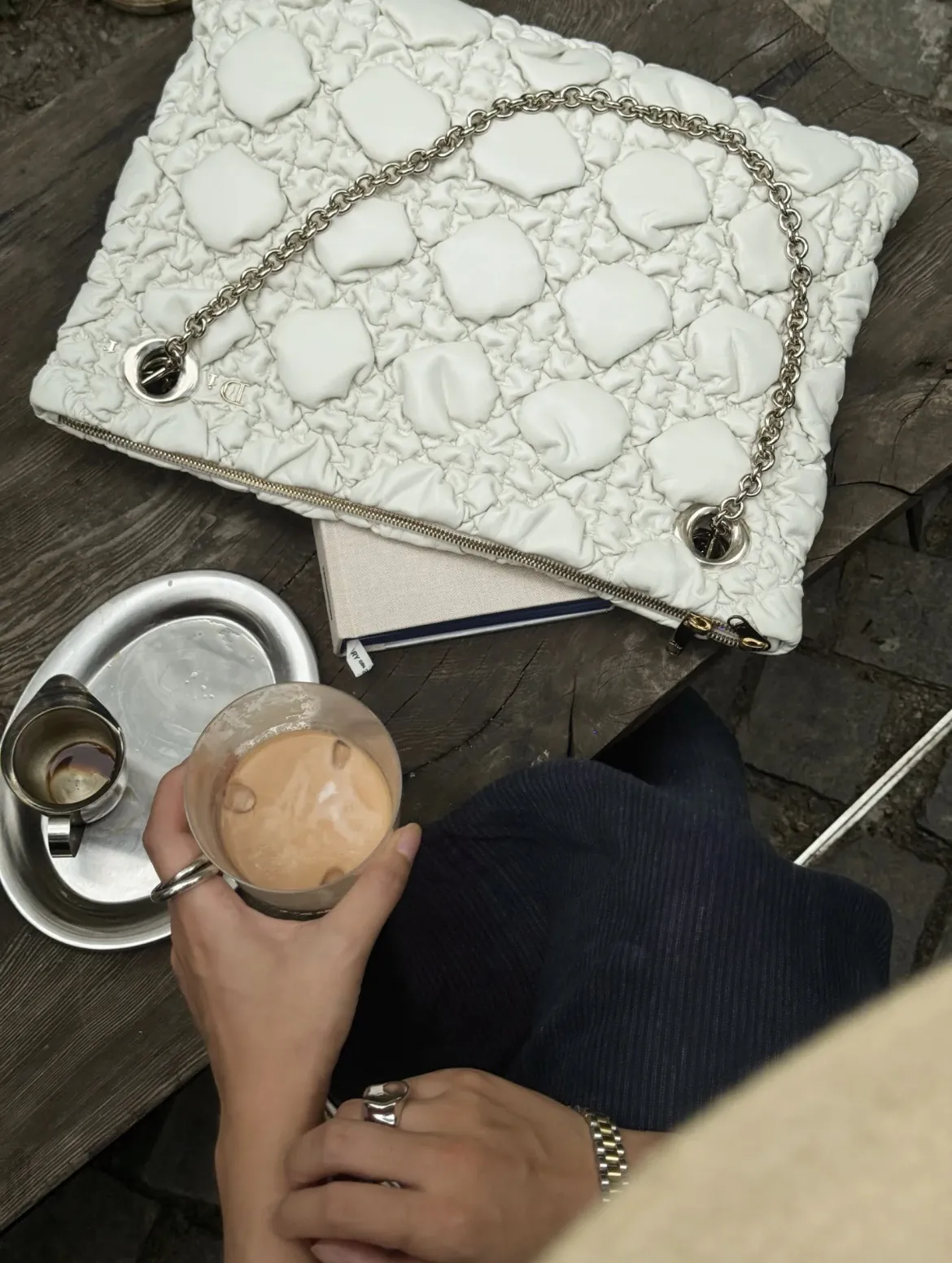
The featured image is an existing Dior wardrobe reference, separate from the Fall 2025 looks discussed here.
The cuff is a frame, not a second sleeve
A stiff extended cuff only reads as deliberate when it looks like an edge. If a long cuff is allowed to slide halfway up the forearm, it competes with the jacket sleeve and the outfit looks as if one layer has failed to stay put. Keep the shirt sleeve straight and let the cuff emerge as a narrow, even ring, roughly a finger's width to a knuckle. Because the cuff is stiff, it will hold a defined line at the wrist, which is the point: it gives the soft woven jacket a precise stop.
If your shirt cuffs are long enough to show that band easily, fasten them. A buttoned cuff keeps its shape and reads as tailoring. If they sit closer to the wrist, a single turn can bring them to the right place, but keep the fold shallow so the stiffness survives and the cuff does not go soft and limp. A cuff that has been rolled several times stops being the rigid counterpoint Hildreth describes. Where a cuff is far too long to manage cleanly, treat that as a reason to choose another shirt for this jacket, not as licence to stuff the excess back up the sleeve.
This is a place to check in a mirror: with the jacket on and the cuff left loose, do the cuff and the jacket hem land at different points along the arm? If they stack into one heavy line, shorten the visible band. If they are clearly separate, you have the intended frame.
Collar: let the jacket own the neckline
The jacket is the piece with the woven motif and the craft attribution. The shirt collar should support the opening without building a second structured neckline inside it. A small, low-profile collar that sits close to the neck works better than a wide, spread collar that spreads across the chest, because the latter doubles the horizontal lines where the jacket opens.
Leave the top button undone unless the jacket closes high. A closed, buttoned collar under a softly enveloping layer tends to look tight and formal in a way that fights the relaxed way the reported jacket is worn. If the jacket has a visible front edge or overlap, the shirt's placket should sit behind it, so you see a sliver of shirt rather than a full row of buttons. Tuck the shirt in. A tucked shirt gives the jacket a clean inside edge; an untucked one pushes fabric toward the hem and blurs the line the kimono-inspired shape is meant to make.
What keeps the woven textile as the one crafted element
The report ties the pieces to motifs developed by Dior nearly 70 years earlier and to local craft specialists, Tabata Kihachi and the Fukuda Craft Dyeing and Embroidery Research Institute. That history is an argument for restraint in everything around the jacket, not for a second decorated piece. The shirt should be plain: a flat cotton, a fine poplin, a quiet tone. A checked or striped shirt adds a pattern that begins to talk over the weave.
Trousers or a skirt in a plain matte fabric — wool, cotton, linen — give the woven jacket a calm field. Avoid cargo pockets, heavy topstitching and hardware on the lower half; the jacket already carries surface interest. A straight or gently tapered trouser keeps the silhouette tidy, and a simple A-line or column skirt keeps the lower line quiet. I would not add a printed bag or an embellished belt here. The rule I would use: if a piece draws the eye before the jacket does, it belongs with a different outfit.
Footwear the report actually names
ELLE lists flat-soled thong boots, platform sandals, leg warmers and ribbon-laced ballet flats as the traditional-Japanese-inspired footwear shapes in the collection, not as the specific shoes worn with this jacket. That leaves room to choose. A flat thong boot is the closest match in spirit: it is plain and low, and it keeps the outfit flat to the floor so the woven jacket sits at the top of the look. Ribbon-laced ballet flats are the softer option and suit a skirt or a cropped trouser. Platform sandals push the outfit toward a summer register; I would keep those for a warm-weather version rather than a pre-fall one.
For a closed shoe, a plain leather flat or a low ankle boot in the same tonal family as the trousers works without adding a new texture story. The jacket remains the piece with the visible craft.
Where I would choose differently
If you want the shirt to be the second focal point rather than a quiet frame, leave the jacket open, roll its sleeves up slightly, and let the extended cuff become the whole gesture at the wrist. That works for a relaxed day look, but it turns the outfit into a duel between two tailored elements. For a more formal setting, I would go the other way — fasten the jacket, tuck the shirt, and let only the narrowest cuff edge show.
The same logic helps if you are building around a plain tailored base: the cuff-and-collar questions stay the same whether the lower half is a column skirt or a straight trouser. Readers deciding between a crafted top and plain layers may find the sharper framing in this guide to Dior Cruise 2026 tailoring with a sheer skirt or straight dress. The principle carries: one tailored element sets the edge, the other gives it room.