The style notebook
Louis Vuitton Fall/Winter 2026 Draped Dresses: Airy Movement Outfit Ideas
Louis Vuitton Fall/Winter 2026 draped dresses: an airy hem and light shoe that keep the walk-through movement, with one open layer.
For a softly draped Louis Vuitton Fall/Winter 2026 dress, the answer that keeps the walk-through movement is a hem that stops at or just above the top of a light, flat or low shoe, a shoe with little visual weight at the ankle, and one outer layer that hangs open rather than closing over the cloth. ELLE Japan’s Takako Araki, writing in a Paris Fashion Week diary published 21 October 2026, describes the runway impression directly: dresses drawing soft drapery and airy silhouettes that take in air and sway with each step stood out on the runway, and she found the approach — close to the body’s movement and to everyday life — fresh. That is the reported observation. Everything below about hem, shoe and layer is my own styling reading of how drape behaves in motion, not a claim about a specific garment’s performance.
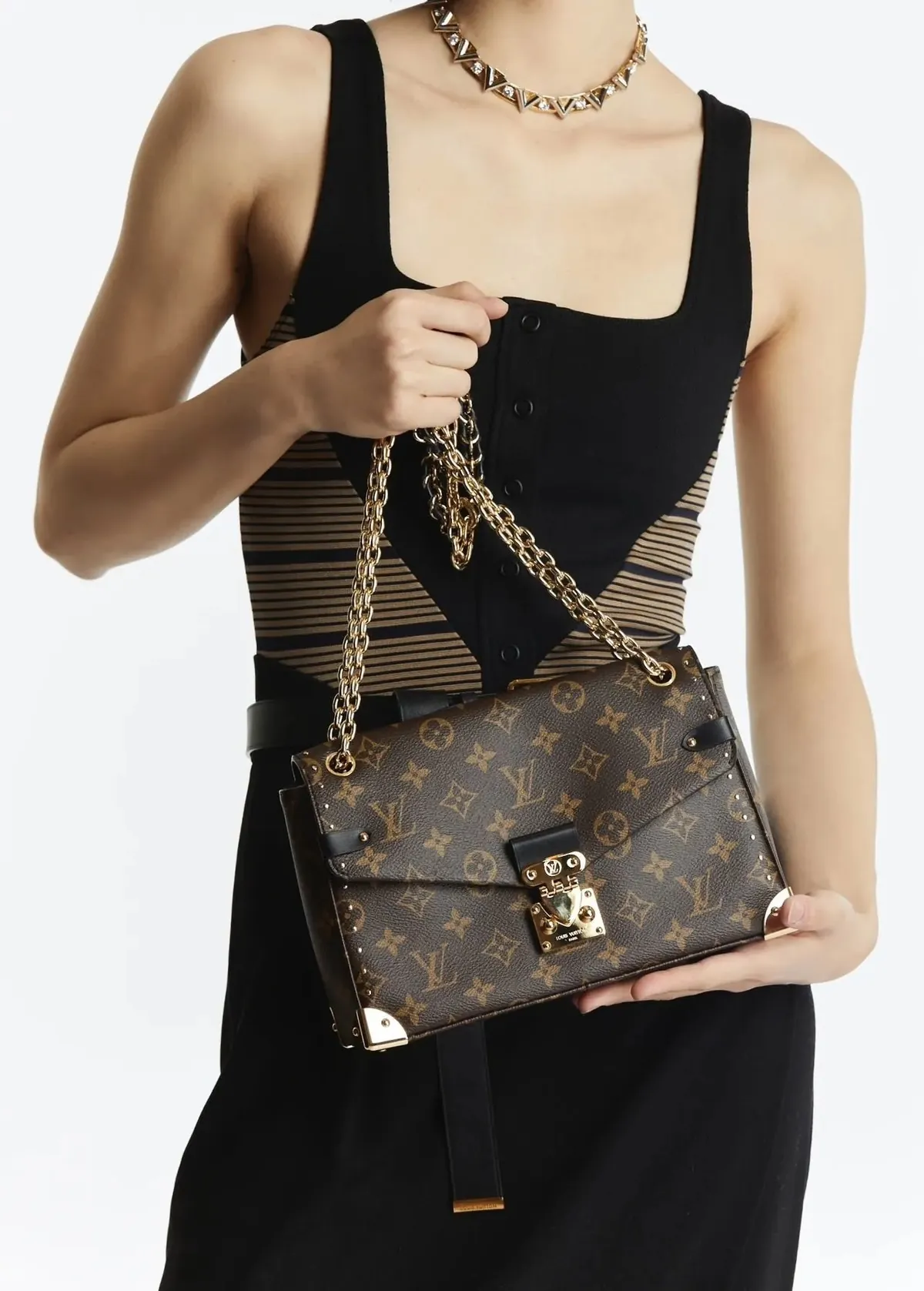
The featured image is an existing Louis Vuitton wardrobe reference, separate from the Fall/Winter 2026 looks discussed here.
What the runway impression actually gives you to work with
Araki’s note is about silhouette in motion rather than a single named dress, so treat it as a direction rather than a recipe. The two qualities she names are drape — cloth that falls in soft folds — and air, the sense that the fabric holds space and moves through it. Both depend on the cloth being allowed to hang and swing rather than being pinned, gathered or compressed. That single idea governs the three decisions below: how long the hem is, how heavy the shoe is, and whether the outer layer opens or closes. The featured image is an existing Louis Vuitton wardrobe reference, separate from the Fall/Winter 2026 looks discussed here.
Hem: clear the shoe, and stop before the ankle crowds it
The practical risk with a draped dress is a hem that pools on the shoe or drags at the ground, which kills the swing that makes the silhouette read as airy. My reading is to aim for a hem that finishes near the top of the shoe — a midi that lands on or just above the instep, or a longer dress that clears the floor by a visible margin. Where the fabric is soft, a hem that ends a little higher than you would instinctively choose keeps the lower leg and foot visible, so the eye registers the movement of cloth above a clear, light base rather than a mass of fabric meeting the pavement.
If you want the longer, more dramatic version, the hem still needs to break cleanly above the ground. Length is a judgement call, but the principle holds: the hem should not sit on top of the shoe’s most decorative point, and it should not gather around the ankle. Check a proposed pairing by walking in it before committing — a conditional check, not a claim that any particular combination will move well for you.
Shoe: light at the ankle, and quiet in detail
A heavy boot or a shoe with a bulky, high upper interrupts the line where the drape is at its most mobile. A flat or low-heeled shoe with a close, minimal upper — a soft leather flat, a low pump, a slim ankle boot whose shaft sits close — keeps the ankle and foot reading as a light base. Because the dress is the moving element, a shoe with minimal hardware, straps or contrast colour lets the fabric stay the focus near the hem.
- A plain, close-fitting flat or low pump suits the fullest, softest skirts, where any bulk at the ankle begins to look like weight.
- A slim, close-shafted ankle boot is the cold-weather swap that preserves a clean lower line without adding visual mass.
- Avoid chunky soles, heavy lug treads and stacked hardware if the hem is long — they compete with the drape exactly where it is most visible.
For broader notes on keeping a hem clear of a shoe, the general principles in wide-leg trousers and loafers hem length translate usefully here, even though that piece is about trousers.
The outer layer: one that opens, not one that closes
A coat or jacket buttoned over a draped dress flattens the fabric against the body and removes the air the silhouette depends on. My reading is to choose a single outer layer that hangs open — an unbuttoned coat, a long cardigan worn loose, a cape-style layer that sits away from the torso — so the dress keeps its own volume underneath. One layer is enough. Two closed layers stack compression on top of the very quality you are dressing around. A longer, straight coat worn open also frames the dress without competing with its drape, and keeps the movement visible through the open front as you walk.
Accessories: keep the lower half quiet
Because the walk is meant to be the interest, accessories near the hem should not distract from it. A long, heavy necklace or a bag hanging low in front of a swinging skirt splits the movement. My suggestion is a small, close bag carried high or on the shoulder, and jewellery kept at the neck or ears rather than dangling toward the hem. This is where a restrained palette helps: a bag and shoe in related, plain tones let the drape and its motion carry the outfit. The brief here is movement, and the styling should protect it rather than decorate over it.