The style notebook
Prada Spring 2027 Nylon Organza Five-Pocket Trousers: Type III Jacket Outfit Ideas
Prada Spring 2027 nylon-organza five-pocket trousers under a Type III jacket: what to wear underneath and how much jacket structure to let show.
The Prada Spring 2027 nylon-organza five-pocket trousers ask a different question from a normal sheer garment: what sits underneath should either be deliberately plain or deliberately architectural, and the Type III-shaped jacket should be the piece that decides which. Vogue’s Luke Leitch, reporting on 21 June 2026, describes these trousers as cut in what looked like nylon organza and notes that their translucence let the full extent of the garment’s architectural structure show — “a bit Centre Pompidou.” He also says they were sometimes worn with jackets shaped to the Type III denim template. That is the pairing to plan around. The underlayer is not there to hide the trouser; it is there to determine how much of that structure reaches the eye. The styling judgements below are my own reading of those reported details.
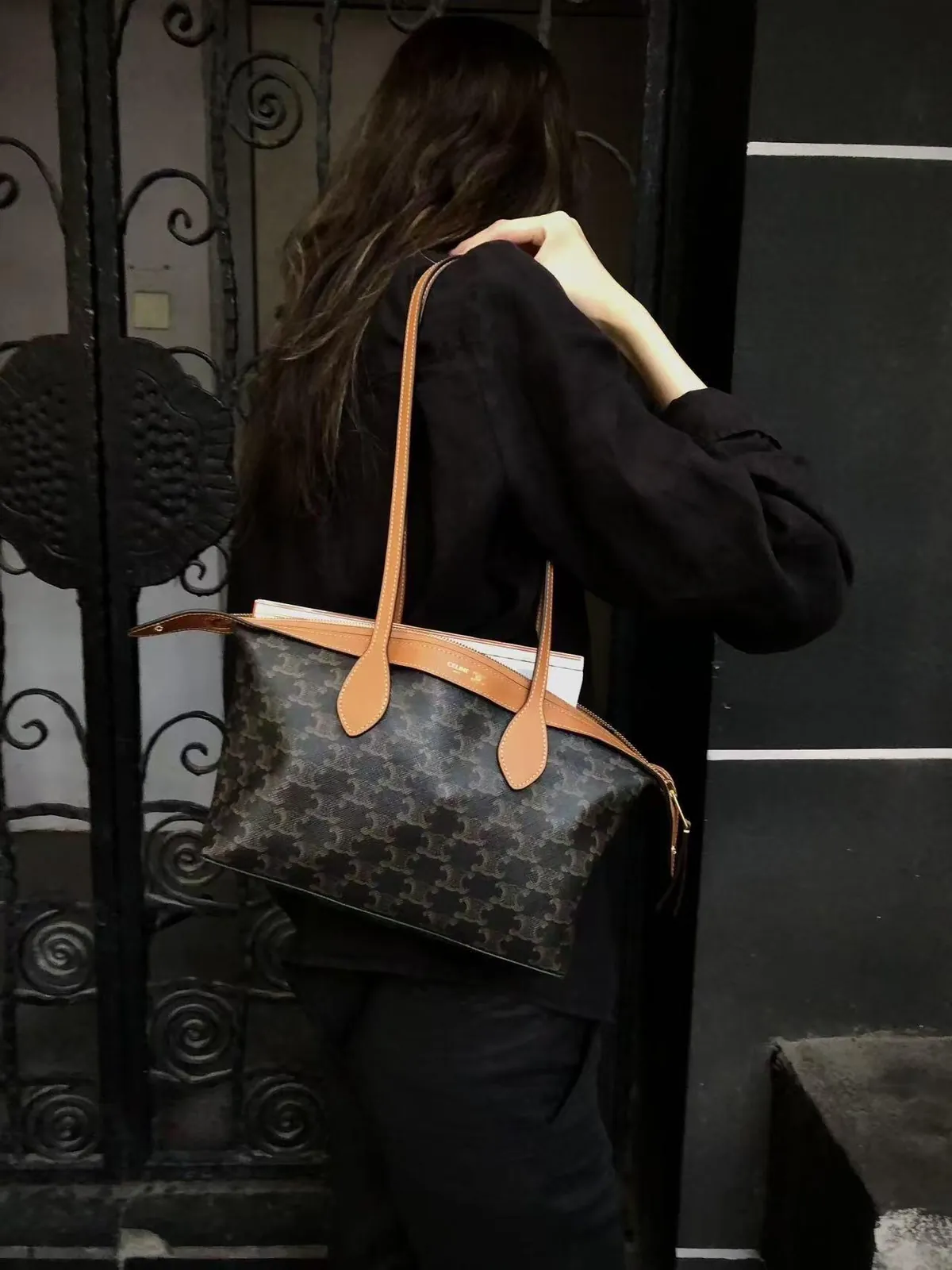
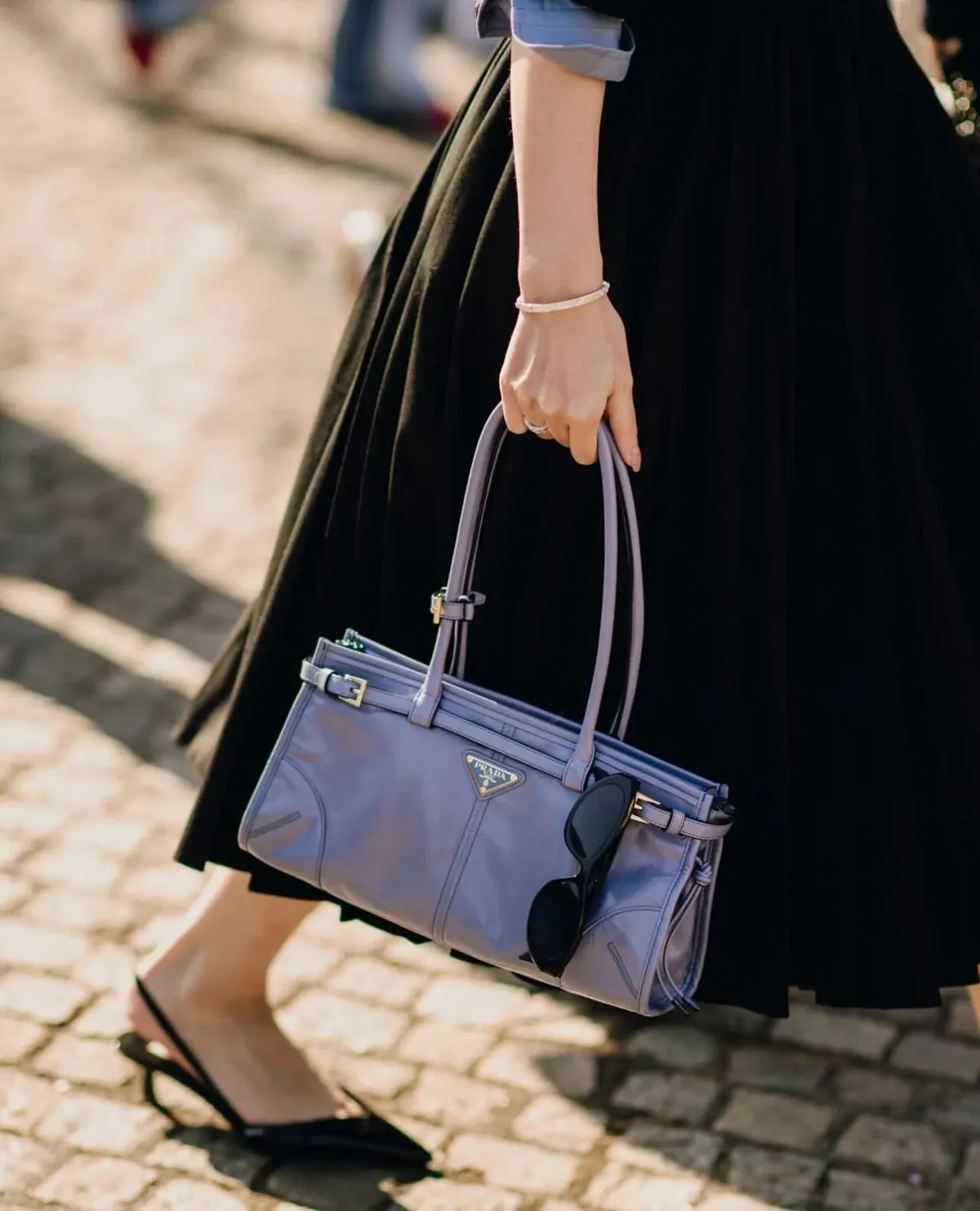
The featured image is an existing Prada wardrobe reference, separate from the Spring 2027 looks discussed here.
Choose the underlayer by how much structure you want to read
The useful split is between a leg that looks like a clean, opaque line and a leg that keeps the trouser’s seams and pocket shapes visible. A plain, close-fitting underlayer in a single flat tone gives the first result: the five-pocket construction becomes a faint shadow rather than the subject, and the jacket and shoe carry the outfit. A second sheer or semi-sheer layer, or a tonal layer with its own seams, gives the second: the organza trouser reads as a cage over the leg, which is closer to what Leitch describes on the runway.
Neither is more correct. The opaque route is the one to take when the trousers are the only translucent thing you own and you want them to behave like ordinary five-pocket trousers with a bit of sheen. The layered route is for the wearer who bought the trouser precisely because its construction is visible and wants that to be the point. What I would avoid is an underlayer with competing horizontal lines — a strong stripe, a lace band, a contrasting waistband — directly beneath the pocket area, because the pocket rivets and seam lines are already the trouser’s graphic content.
How much Type III structure to let show
The Type III denim-jacket template has a familiar set of moves: a relatively short body, a pointed yoke across the chest, flap or patch chest pockets and a defined waistband at the hem. Leitch’s report does not describe the exact jackets in the show beyond their shape, so treat the following as proportion logic rather than a claim about specific runway pieces. Worn open over a plain underlayer, a Type III jacket creates a vertical strip of body between two jacket fronts; that strip is where the trouser’s waistband and pocket line become legible, and it keeps the outfit from reading as a solid block. Worn closed, the jacket ends near the waist and the trouser does all the work below it — cleaner, but less forgiving of a bulky underlayer.
A longer, looser jacket over these trousers changes the balance entirely. The cropped Type III shape lets the translucent leg read as a long, uninterrupted column; a hip-length or longer jacket cuts that column and can make the sheer trouser look like an afterthought. If you want a calmer outfit, I would keep the jacket short and the underlayer plain rather than reaching for a long coat.
The underlayer decisions worth making in advance
- Tonal, close-fitting and matte is the default. It lets the jacket’s shoulder and the trouser’s pocket line do the talking, and it keeps the outfit wearable beyond a styled photograph.
- Tonal but textured — a fine rib, a mesh, a compact knit — adds interest without competing with the trouser’s seams, provided the texture is small in scale.
- A contrast colour underneath turns the trouser into a colour-mixing exercise. It can work when the jacket is neutral, but it makes the whole outfit about the leg, so commit to it rather than hedging with a third tone.
- Layering two sheers is the closest to the runway reading. It is also the option where coverage becomes a personal call rather than a given; try the combination in front of a mirror in the light you will actually be in, and decide for yourself.
On top, a plain fine-gauge knit or a simple shirt under the Type III jacket keeps the neckline quiet. Leitch notes that other canonical Prada pieces — Peter Pan-collar coats and patterned sweater-vests among them — were rematerialised and repositioned in this collection, but those are separate garments from the trouser-and-jacket pairing; I would not stack a statement vest under a Type III jacket and expect the organza trouser to survive the competition.
Where the Type III jacket and the trouser disagree
A denim-template jacket is casual in origin; a translucent organza trouser is not. That tension is the outfit, and it is worth leaning into rather than smoothing away. The jacket should look like a jacket — sleeves at wrist length, a defined hem, the chest pockets visible — rather than being softened into a shirt. The trouser should keep its five-pocket details readable: Leitch notes that every pair of pants in the collection except the wool-pleated Looks 40–42 followed the classic five-pocket, rivet-strengthened template. Under a Type III jacket, that shared workwear grammar is what holds the look together, even though one half is sheer.
If the transparency feels like too much for the setting, the honest alternative is a different trouser rather than a heavier underlayer that flattens the organza. The point of this pair is the visible structure; cover it entirely and you have paid for a quality you are not using. For a related reading of the collection’s five-pocket tailoring, see the houndstooth and Prince of Wales check five-pocket guide, which handles the opaque end of the same template.
The shoes and the hem
Because the trouser is translucent, the ankle and shoe are part of the outfit in a way they are not with opaque denim. A shoe that disappears — a low, plain style in a tone close to the underlayer — keeps the leg long. A heavier shoe gives the sheer trouser something to sit on and stops the outfit floating. I would not put a busy, high-contrast shoe under a busy underlayer; pick one place for the eye to stop. The Type III jacket’s short body also means the waistband is visible, so a belt with some presence is a reasonable third element — Leitch notes weathered leather belts and carabiner-attached shrunken bags at the waist in the collection, which suggests the waist was treated as a deliberate detail rather than hidden.
The takeaway: decide the coverage question first, then choose a jacket short enough to let the trouser’s construction read. The underlayer should be plain enough that the organza’s seams and pockets remain the most interesting thing below the waist.