The style notebook
Louis Vuitton Fall/Winter 2026 Leather Blousons: Wide-Leg Trouser Outfit Ideas
How to pair a Louis Vuitton Fall/Winter 2026 leather blouson with fluid wide-leg trousers: balance the masculine cut and feminine drape.
The Louis Vuitton Fall/Winter 2026 leather blouson and wide-leg trouser look works because the trouser hem breaks near the shoe and the blouson ends at the waist, not below it. Takako Araki, writing for Elle Japan on 21 October 2026, picks Look 40 from the show as a favourite: a leather blouson over wide trousers with a beautiful fall, and calls the result masculine in mood yet feminine in silhouette. That is a description of the runway look, not a set of rules. The styling choices below are my reading of how to keep that contrast readable in ordinary wear.
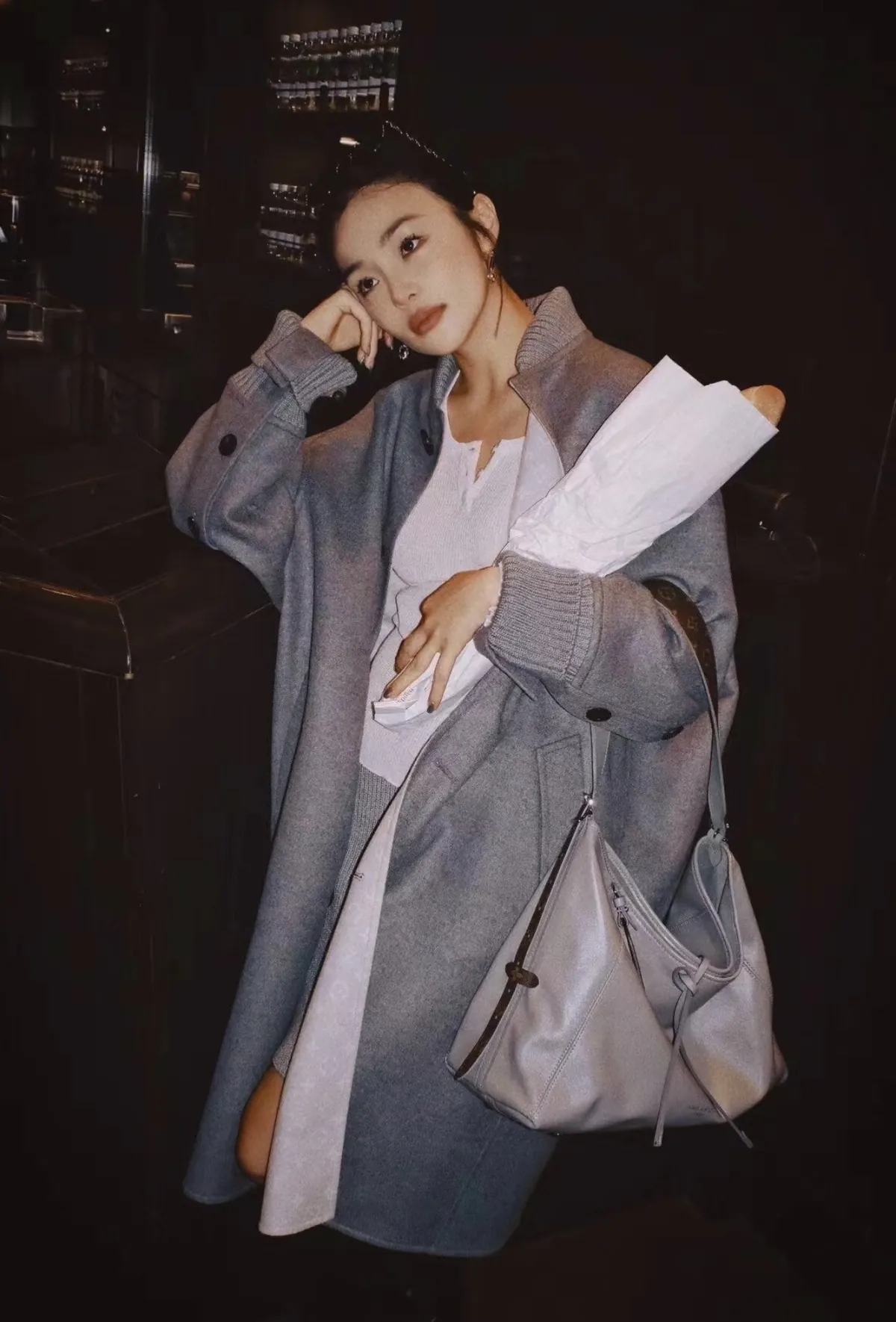
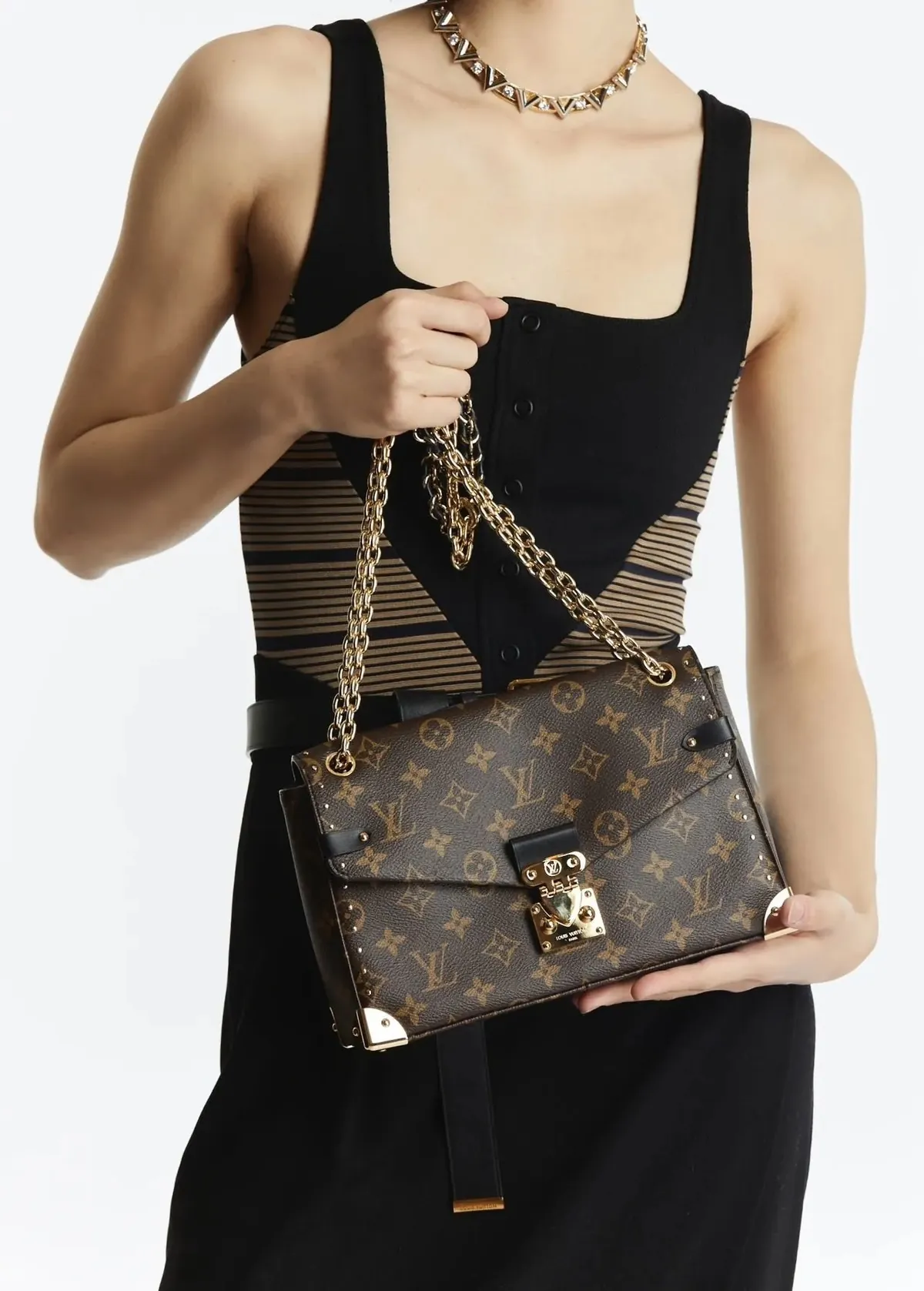
The featured image is an existing Louis Vuitton wardrobe reference, separate from the Fall/Winter 2026 looks discussed here.
Set the trouser break before the jacket
A wide-leg trouser with a fluid fall changes length once it is on the body: the fabric hangs, gathers at the hem and settles over the shoe. That settling point is the first decision. A hem that lands around the top of the foot or just above the floor keeps one long vertical line from waist to toe, and a long line is what makes the wide leg read as drape rather than as width. A hem that stops higher, with several centimetres of shoe exposed beneath it, breaks that line and can make the leg look shorter than it is.
The shoe follows from the hem. If the trouser hem is long and covers most of the foot, a flat or low-profile shoe keeps the fall intact. If the hem is shorter, a shoe with a little height or a defined shape at the toe gives the leg somewhere to finish. I would settle the hem and shoe together before trying the blouson, because the jacket length you want depends on where the trouser starts to move.
Where the blouson should end
The word blouson describes a jacket with a gathered or elastic waistband that pulls the hem in, so the fabric above it billows slightly. That shaping sits at the waist. If the elastic line lands at your natural waist or at the top of the trouser, the blouson defines the waist while the trouser falls away from it. That is the contrast Araki is pointing at: a firm, slightly structured top and a soft, moving lower half.
If the blouson hem drops to the hip, it covers the point where the trouser begins to fall and flattens the whole line into one block. For a shorter frame that is the difference between a waist and no waist. A blouson that ends at or just above the waistband of the trouser keeps the two pieces separate. I would check the blouson hem against the trouser waistband in a mirror from the side as well as the front, since a gathered hem can sit differently when the body turns.
The inner layer decides the neckline
A leather blouson is usually worn open or partly zipped, so the inner layer is the visible centre of the outfit. A fine knit or a plain shirt in a tone close to the trouser keeps the vertical line unbroken between neck and hem. A contrasting top cuts the torso into a band and draws attention to the waistband, which can be useful if the blouson is short and you want the waist to be the point.
I would avoid a bulky inner layer under a blouson. The gathered hem already adds volume at the waist; a thick sweater underneath pushes the blouson out and removes the neat line at the top of the trouser. A smooth, close layer lets the leather sit cleanly over it and keeps the silhouette flowing from shoulder to hem.
Leather and fluid fabric: let the textures differ
The fall of the trouser is the feminine half of this pairing, and that reading depends on the fabric moving. Leather holds its shape; a fluid wool, a crepe or a soft viscose falls. Keeping those two textures distinct is what makes the contrast visible. A wide trouser in a stiff fabric reads as a second structured piece and the outfit becomes uniform rather than balanced.
The colour choice is quieter. A leather blouson in black, brown or a deep tone over trousers in a similar depth lets the textures do the talking. A stark light trouser under a dark blouson will emphasise the waist as a hard horizontal line, which works if you want that break and less well if you want the long vertical fall to lead. For a first version of this look I would keep the two pieces close in tone and let the leather's surface and the trouser's movement supply the contrast.
What to check in the mirror
Turn sideways and look at the line from shoulder to hem. The blouson should end where the trouser begins, the trouser should fall from there without a break at the knee, and the hem should meet the shoe without folding onto the floor. If the blouson covers the waistband, try a shorter length or a higher trouser rise. If the trouser pools at the hem, the fall is being interrupted and the leg will not read at full length. These are fit checks, not claims about how any specific garment will behave. For a different approach to the same season's outerwear, the blazer and jacket layering guide covers tailored alternatives, and the split moc-toe shoe guide is useful if you want to settle the footwear under a wide hem.